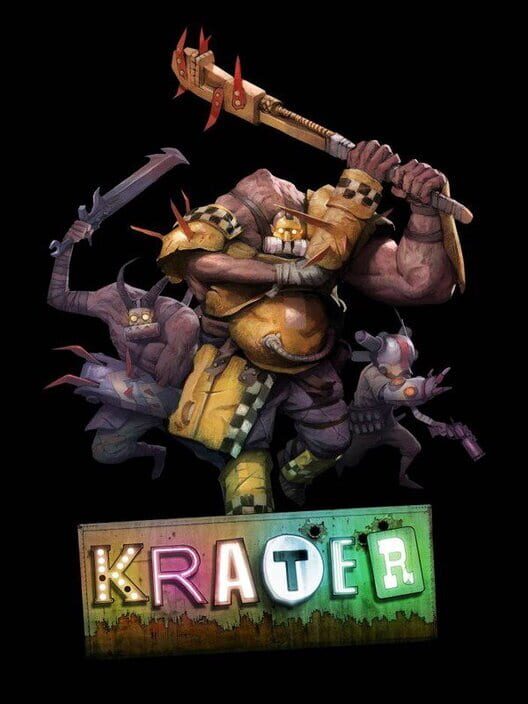
Krater
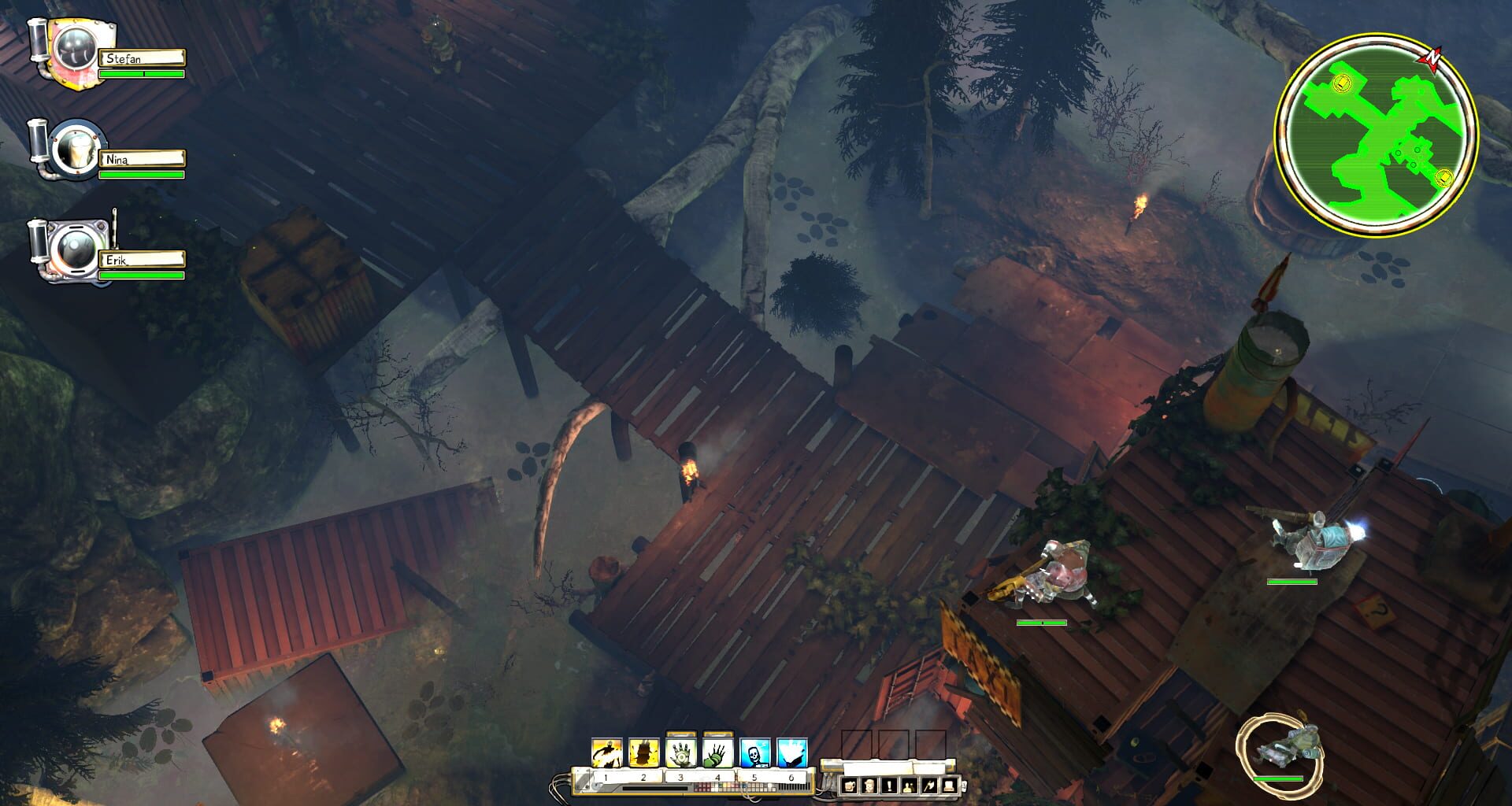
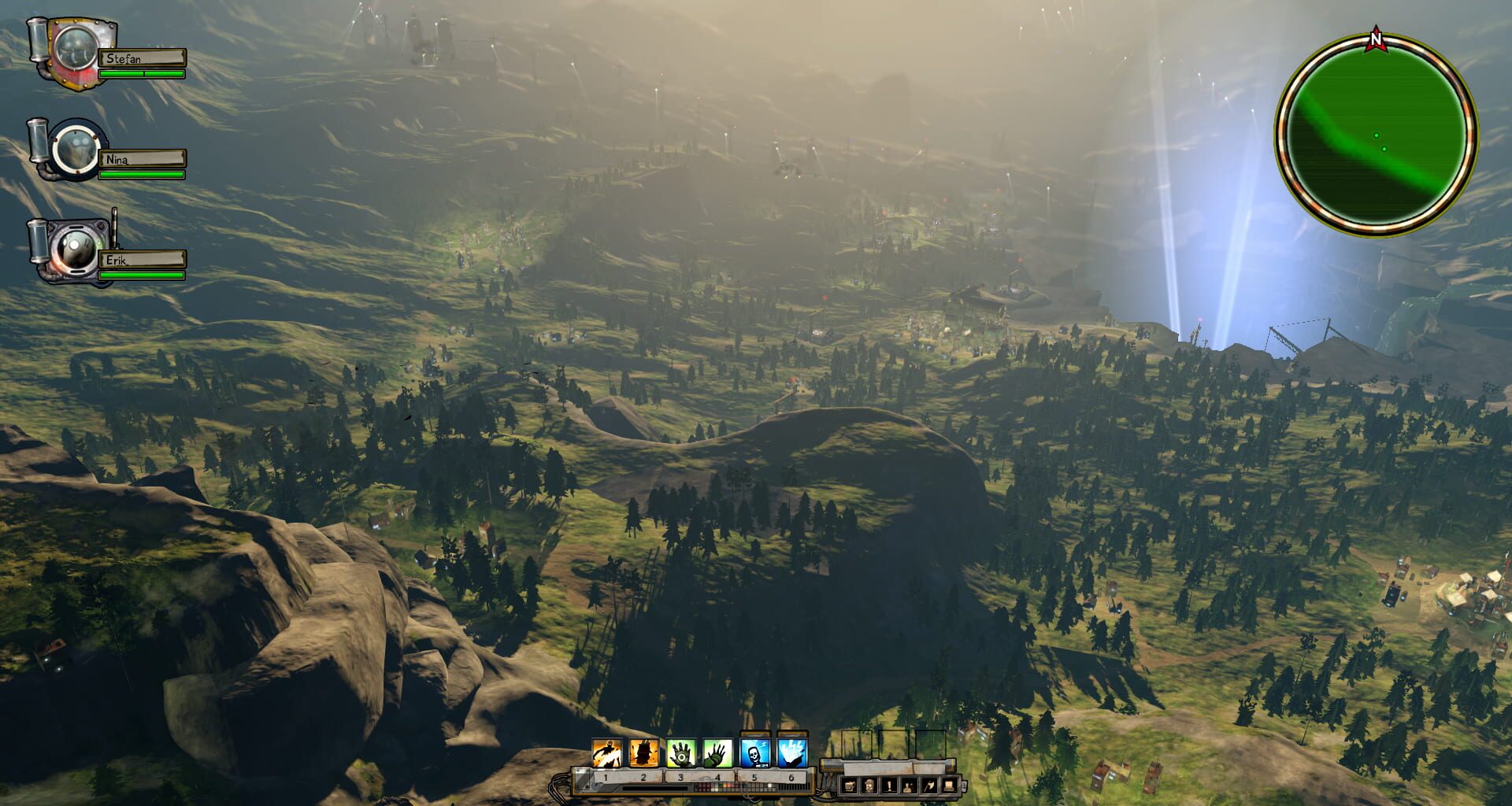
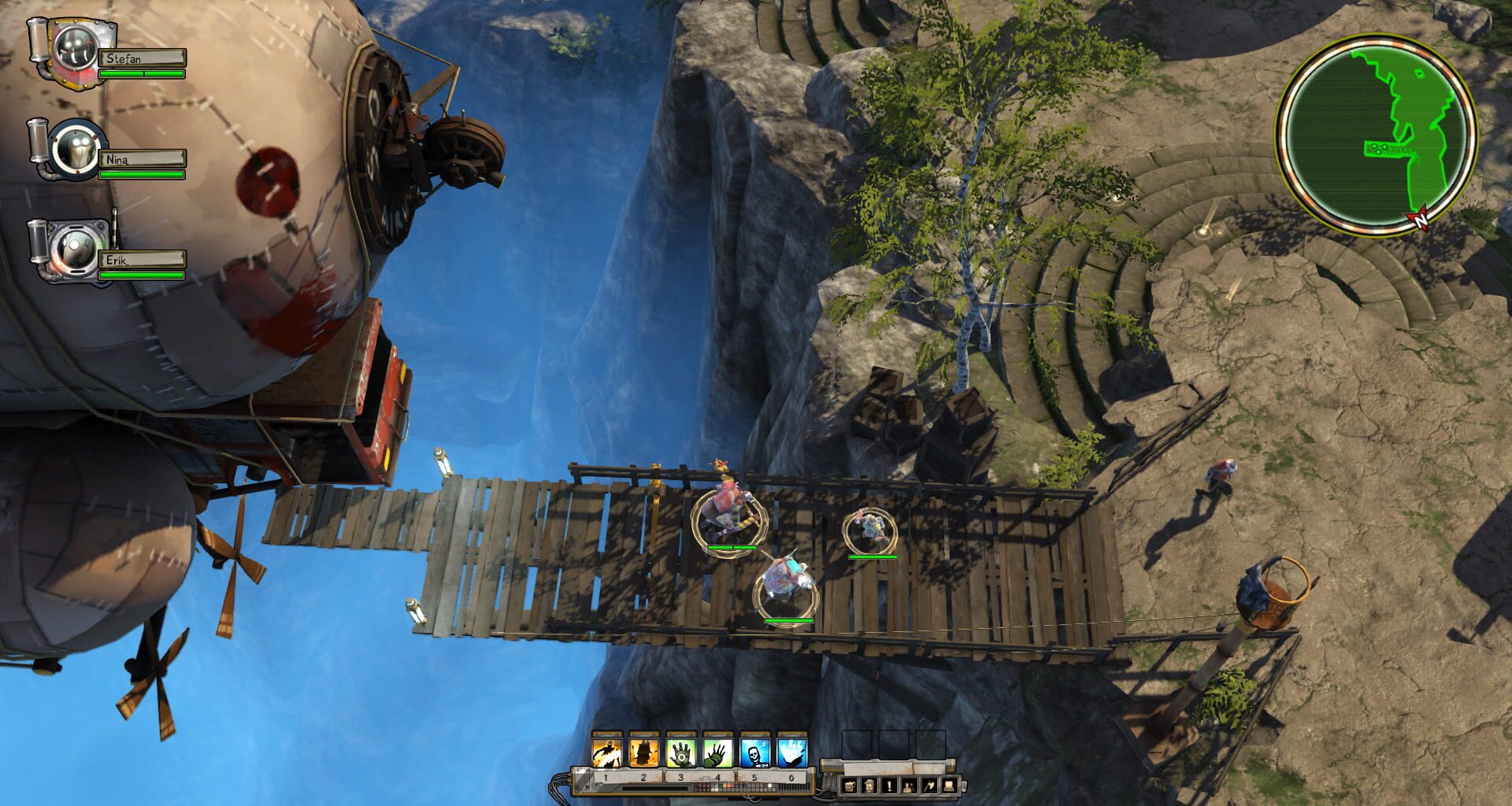
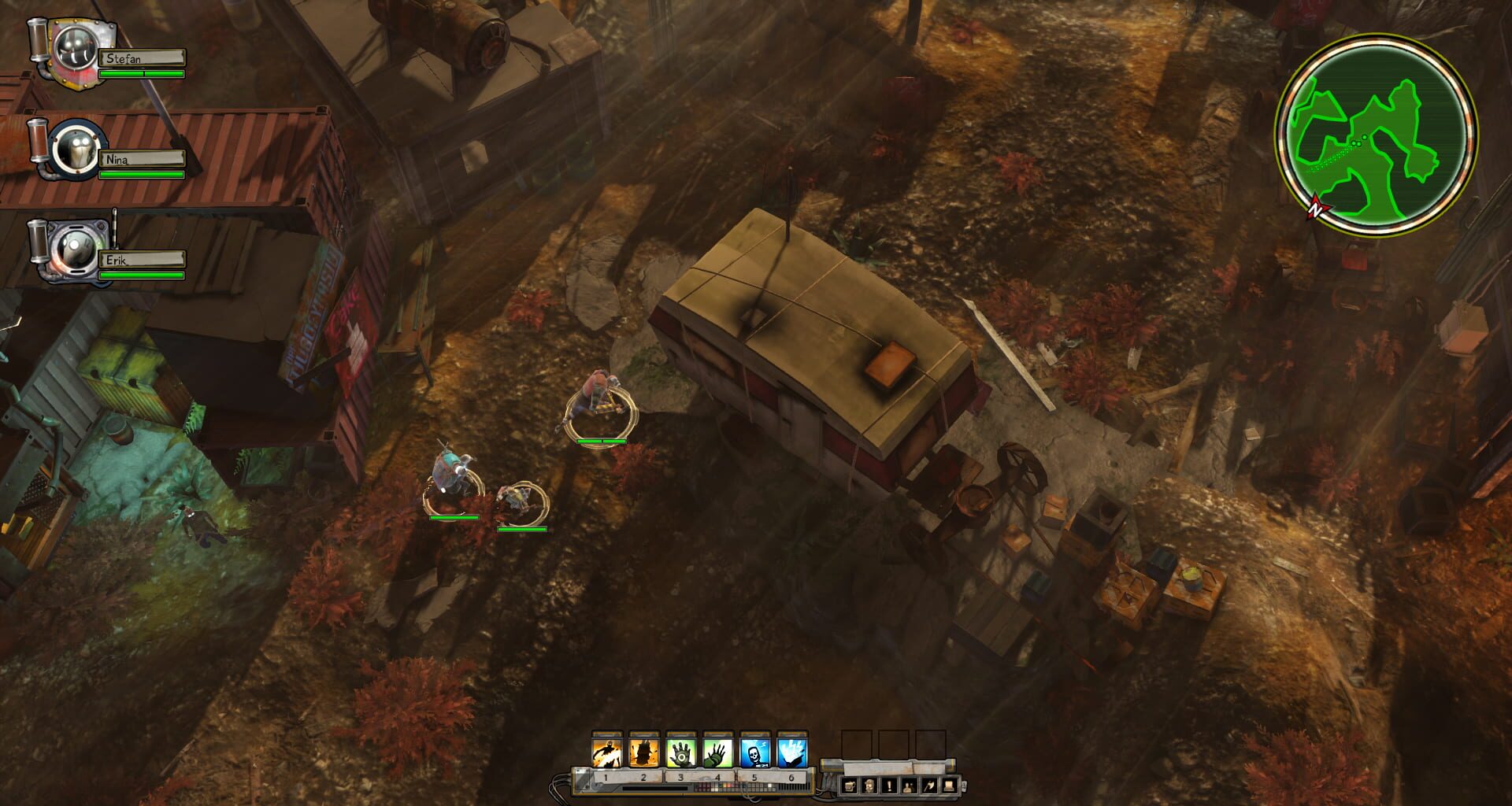
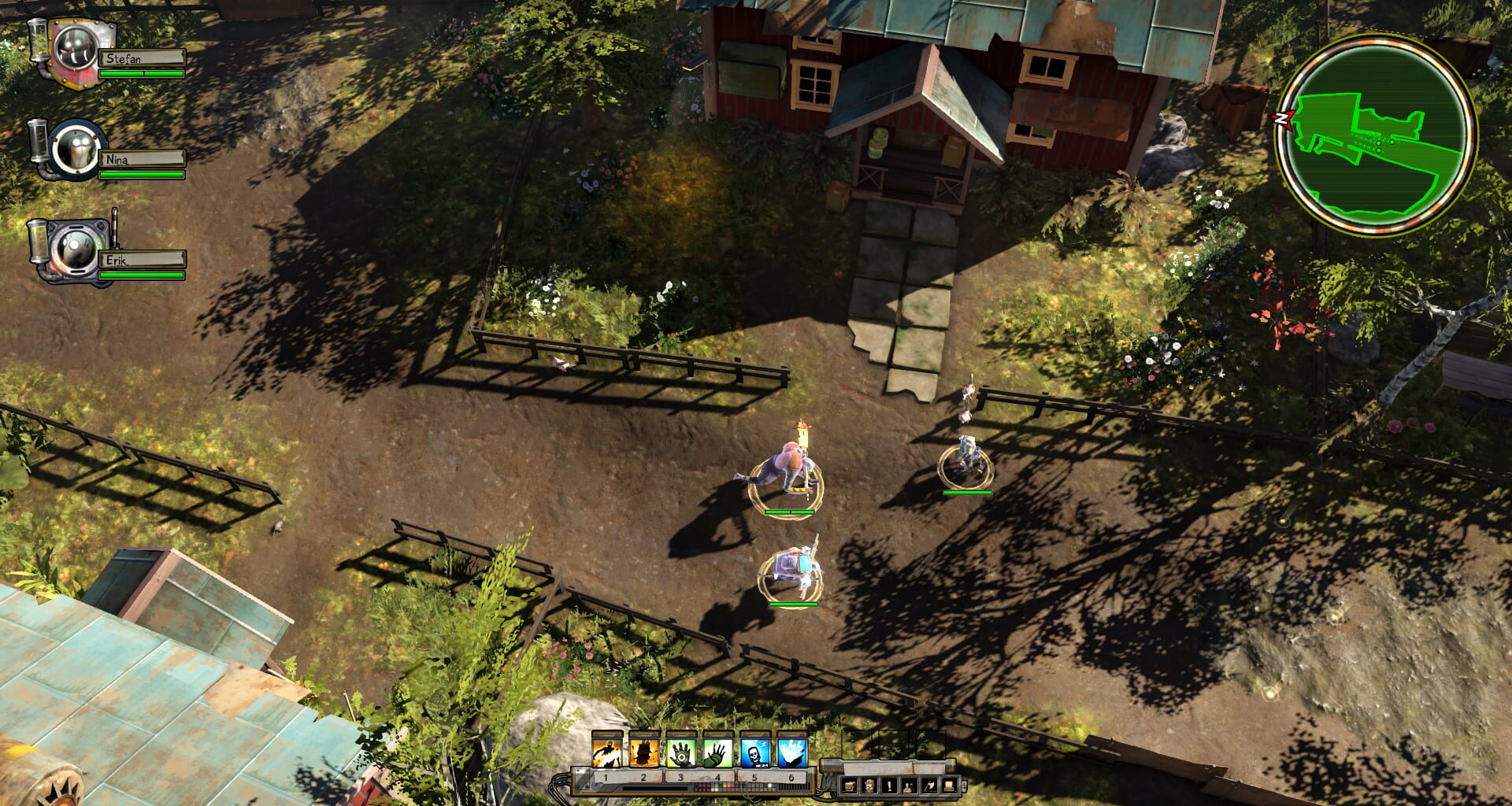
The player type who will enjoy Krater may notice that it has characteristics similar to Fallout 2. The camera is in the top-down fashion with limited perspective and line-of-sight obstruction highlighting, and the overland world map and transition between locations have the same feel, albeit with better graphics. However, that is where the resemblance stops. Unlike the single hero found in the Fallout series, Krater utilizes a full, three-member party approach from the beginning. So how well does this work for the player?
The player is inducted into the game via a hard night of drinking. Don’t blink during this introduction; you might miss it if you do. The tutorial lacks any good direction, but does give a description of the roles of the classes in the span of one minute. The transition to Krater’s main story is not immediately apparent, but is introduced through missions, random encounters, random cut-scenes, and subplots via little cubes found in mission areas. However, those subplot cubes do sometimes fail to finish what they started, leaving the player wanting more of the story. Other than the aforementioned resemblances to Fallout 2, the world itself is quite original. The NPCs and creatures are rather unique, such as radioactive bears that explode into a pool of acid when they die. The locations (almost all of them underground) can be somewhat repetitive, and you will be visiting the same ones quite often.
When it comes to graphics, the game’s overall eye candy, from the characters to the landscape, is not anything that’s going to wow players. The special effects could speak differently for Krater if they weren’t constrained by the limited amount of character abilities available. Similarly, the game’s audio has about the same limitation as the visual. The music is well suited for the environment, and the sound effects for the game’s spells are superb; however, the effects are something that comes right out of a teaser trailer, leaving that “give me more” taste in the mouth.
The lack of effective tutorials can greatly increase the overall learning curve for some players. Nevertheless, the game mechanics are not overly difficult to grasp. The difficulties found in these mechanics help to complicate the enjoyment of the game, though. For example, a player may attempt to quickly heal a party member, only for nothing to happen, forcing them to repeat the process; this is more than likely due to a global cooldown function which is invisible to the player, and it leads to unnecessary clicking, deselecting and reselecting. Another issue can occur while attempting to self-learn the crafting system: players may find that dropping items onto what appears to be a drop box for components instead drops them onto the ground, until the crafting system is figured out. Yet another annoyance is the inability to click on an object and path to it automatically to gather the contents. If these flaws existed apart from each other, they wouldn’t cause much concern, but put them together and players will find themselves distracted and aggravated. The player begins with a default party, but thankfully is allowed to make whatever changes they wish as the game progresses; it becomes possible to change a character’s name, to implant them a specific way, and to hire other class types later on to make a party that suits the player’s playstyle. Upgrading characters comes from an implants system, with implants unlocked at specific levels to boost certain attributes like strength, among others. Unfortunately, the lack of diverse abilities hampers the character customization system.
Krater has the potential to be highly entertaining. The main party has some witty comments, the item names and descriptions are comical (e.g. “Your ego is writing checks your body can’t cash”), and the characters are laughable in appearance. These elements cleverly combine to juxtapose against a cruel, desolate world that has just survived a catastrophic event, and players can appreciate the imaginative quality used to create Krater. Sadly, the fun-factor is inhibited by weaknesses in the game mechanics.
Post-apocalyptic worlds capture a unique audience when it comes to RPGs. The developers of Krater have laid a great foundation for the game; however, it has quite a bit of room for improvement. Starting with a tutorial to introduce players to their world would be a welcome change. Laying a foundation to fix some of the quirks in the game mechanics would then create more stability. Producing more than a couple of abilities for each character would allow for more customization, as well as let more of the game’s great graphic and sound effects accompany the abilities. Finally, giving players more lore would ease the grind-fest and increase players’ enjoyment. Krater reels players in with a unique storyline, but it should undergo some of the aforementioned changes to reach a level of awesomeness. Overall, it scores in as a decent game.
A witty, original post-apocalyptic party-RPG with a strong foundation, dragged down to merely decent by clumsy mechanics, thin abilities and repetitive locations.
A Windows PC; available on Steam.
| Platform | PC (Windows) |
| Released | 2012 |
| Developer | Fatshark |
| Publisher | Fatshark |
| Genre | action-RPG |
| Reviewed | June 23, 2012 |