Home Games Sonic Sonic Adventure
Sonic Adventure
SonicDreamcastPlatformer

Sonic Adventure

Developer: Sonic Team · Published by Sega · 1999
Sonic's 3D debut on the Dreamcast, running at the speed of light with a rock soundtrack to match.
PlatformerDreamcastSegaSonic3D
5.0
Masterpiece
POCG VERDICT
A challenging, gorgeous, replay-packed Dreamcast showcase.
Sonic's first 3D outing is a gorgeous, challenging Dreamcast showcase with huge replayability via its A-rank time missions. A camera and the odd glitch aside, a masterpiece.
About This Game

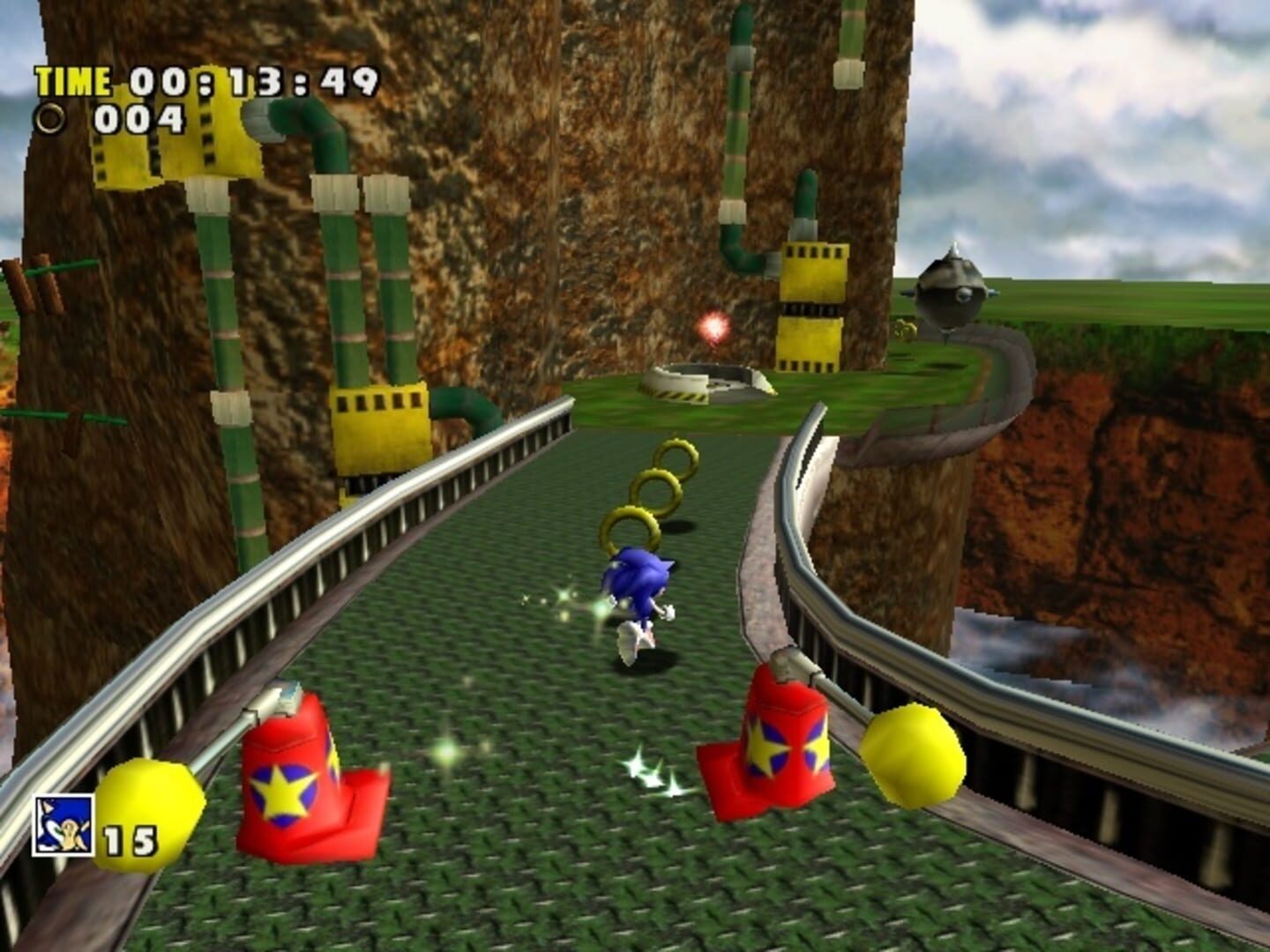
Sonic Adventure is a 3D action platformer developed by Sonic Team and published by Sega, released for the Sega Dreamcast on December 23, 1998 in Japan and September 9, 1999 in North America as a launch title for the system. It is the first fully 3D Sonic the Hedgehog game and marked the franchise's transition from the Genesis-era 2D side-scrollers into a polygonal open-world structure.

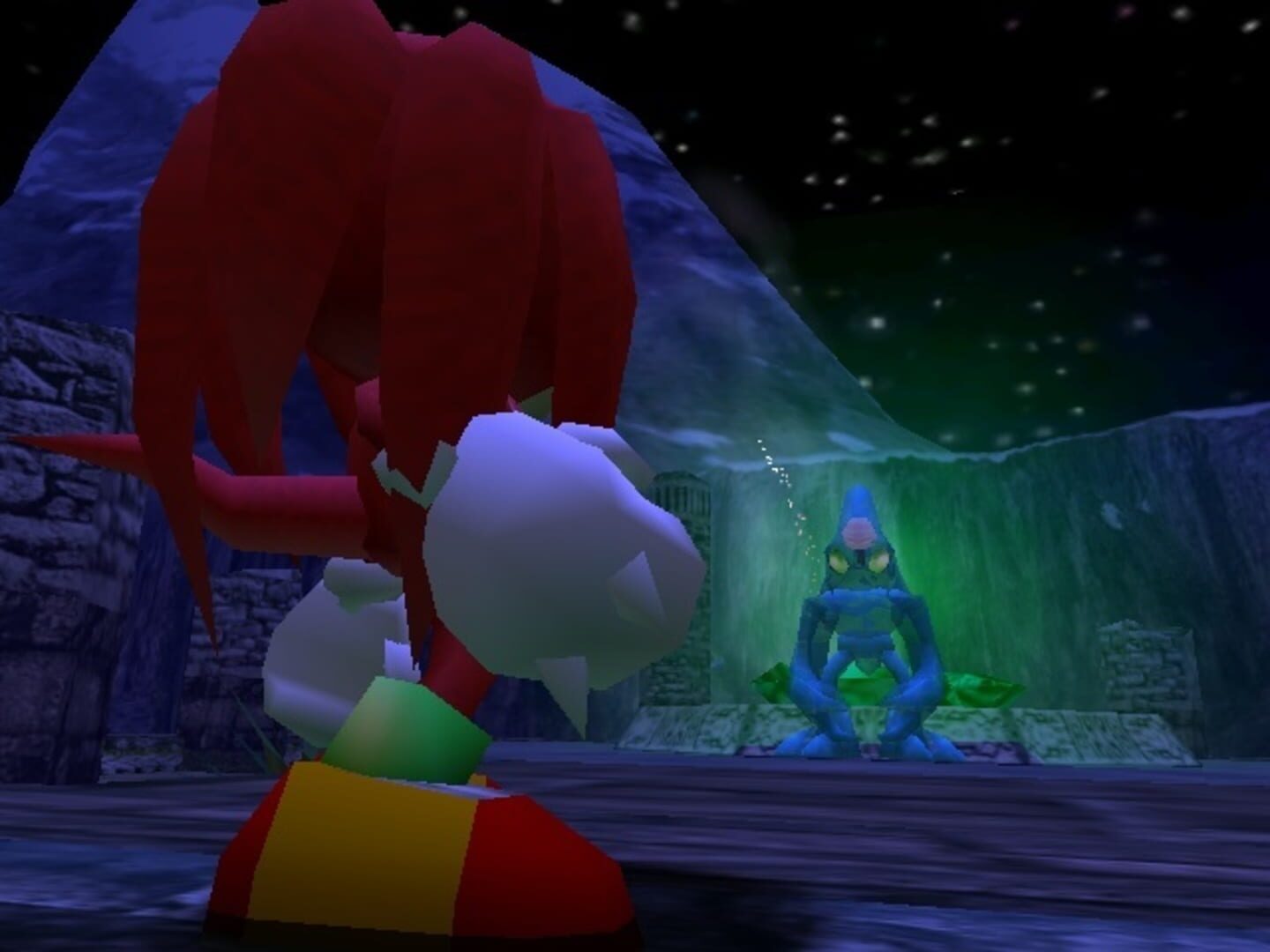
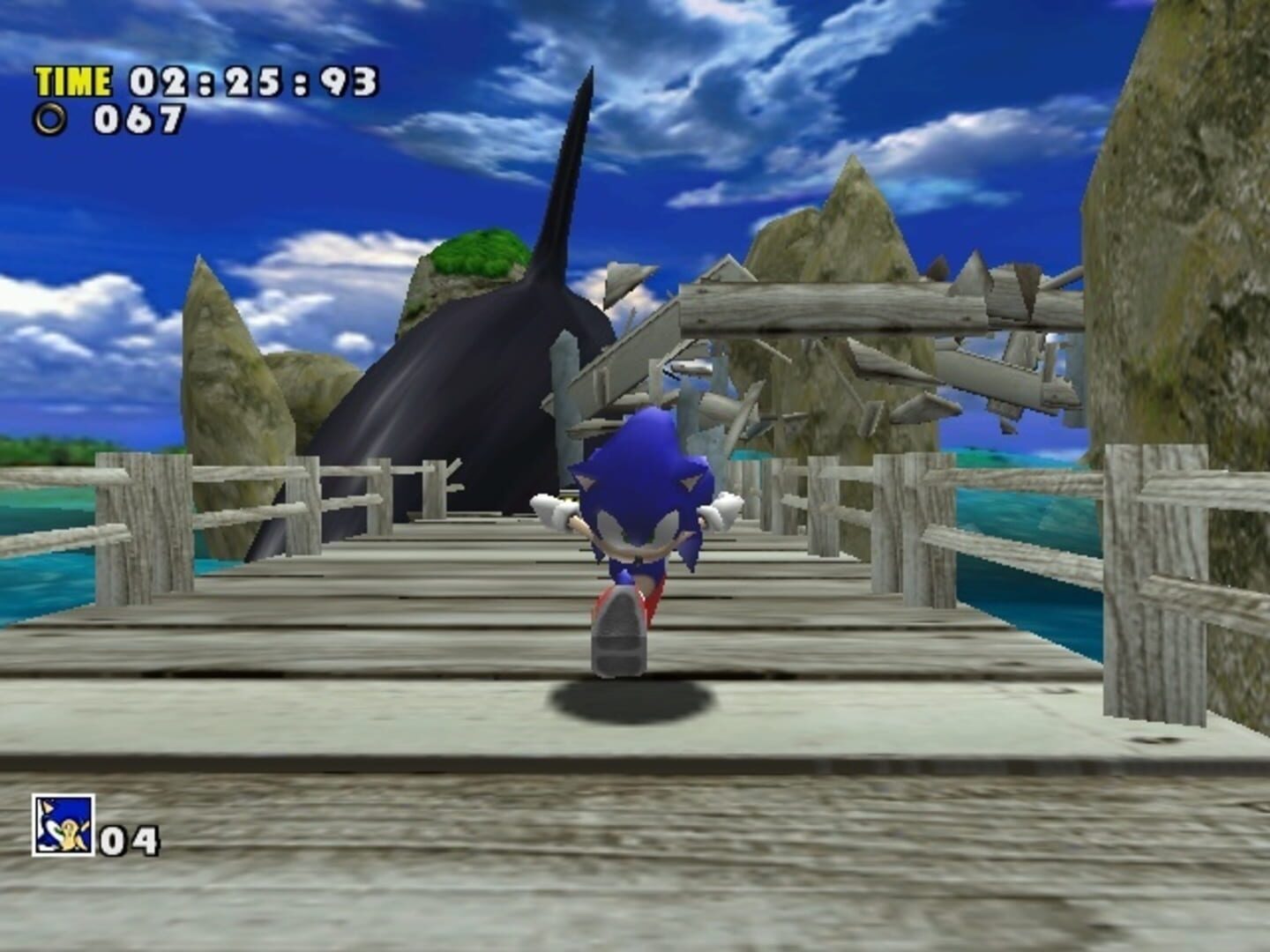
The game features six playable characters, each with a distinct gameplay style: Sonic's stages focus on high-speed platforming, Tails races through stages against Sonic, Knuckles searches for hidden emerald shards, Amy navigates escape sequences, Gamma plays as a third-person shooter, and Big the Cat fishes. A hub world (Station Square and the Mystic Ruins) connects the stages, and each character has their own story campaign that weaves into an overarching plot involving Chaos, an ancient water creature resurrected by Dr. Eggman (Robotnik) to destroy Station Square. Completing all six campaigns unlocks a final story in which Sonic faces Perfect Chaos as Super Sonic.

Sonic Adventure was a critical and commercial success at launch, praised for its speed, visual spectacle, and soundtrack, while also drawing criticism for camera issues, inconsistent quality across character campaigns, and occasional glitches. It was ported to the GameCube as Sonic Adventure DX: Director's Cut (2003), which added additional content and improved some visual elements, and re-released digitally on PlayStation 3, Xbox 360, and PC. The game remains a landmark title in the Sonic franchise and a defining early Dreamcast release.
Screenshots4 shots
Sonic Adventure screenshotSonic Adventure screenshotSonic Adventure screenshotSonic Adventure screenshot
POCG ReviewOriginal: October 15, 1999 · Restored: June 5, 2026
5.0
Masterpiece
Review Verdict
Private: Sonic Adventure
Sonic's first 3D outing is a gorgeous, challenging Dreamcast showcase with huge replayability via its A-rank time missions. A camera and the odd glitch aside, a masterpiece.
In the News3 mentions
Jul 122026
Sega president says Sonic ‘exists as a symbol’ for the company
Shuji Utsumi says Sonic is a 'symbol for SEGA,' and the company's health depends on the hedgehog's success, after admitting recent sales fell short.
Industry
Jul 22026
Empire Interactive abandons 3DO revival after less than a week
Empire Interactive has dropped plans to revive the 3DO console brand, citing fragmented IP rights and legal risks, less than a week after a public announcement, and will now focus on original game development.
Industry
Jun 242026
iam8bit Wants $100 for a New Sonic Genesis Cartridge, and Fans Aren’t Buying It
iam8bit's new $99.99 physical Genesis cartridges of Sonic 1 and Sonic 2 have drawn heavy fan backlash, since the originals are among the cheapest, most common carts around.
Physical
How to Play TodayYour options for running this game in 2026
Original Hardware
Requires a Sega Dreamcast and the retail GD-ROM. Launch title copies are common and inexpensive, running $10-20 complete.
Modern Re-release
Sonic Adventure DX: Director's Cut (2003) is available on GameCube (disc) and digitally on PlayStation 3, Xbox 360, and PC (Steam). The Steam version runs natively on modern hardware and supports community mods that address camera and visual issues. The DX version adds mission mode content and improved character models.
Emulation / Other Options
Redream and Flycast handle the Dreamcast original well with HD resolution scaling. The Steam DX version is the easier path for PC play, running natively without emulation.