LUNAR: Silver Star Story Complete
I have played enough RPGs to know when a game is trying to impress me with technology and when a game is just trying to tell me a good story. There is a difference. A big one. The PlayStation has no shortage of RPGs that want to show off long FMV scenes, giant summons, big dramatic speeches, and polygons flying all over the place like somebody kicked over a box of triangles. I like that stuff too, when it works. But there is still something about a bright, clean, super-deformed 2D RPG that gets me right in the ribs.
Call me a purist if you want. I have been called worse. I still love little SD heroes walking around colorful towns, talking to every lunatic with a text box, opening every chest, and getting dragged into turn-based fights every few steps. There is nothing broken about that formula when the game using it knows what it is doing. LUNAR: Silver Star Story Complete knows exactly what it is doing.
Alex is a kid with a hero problem. He spends his time hanging around Dyne’s Monument with Nall, his winged cat thing who insists he is not a cat, dreaming about becoming a Dragonmaster. He wants the legend so badly you can practically hear it rattling around in his skull. His friend Ramus is more interested in treasure, Luna is the sweet singer who clearly means more to Alex than he is willing to say out loud, and before long the whole little group is off on what starts like a small-town adventure and grows into the kind of save-the-world mess only RPG kids can stumble into.
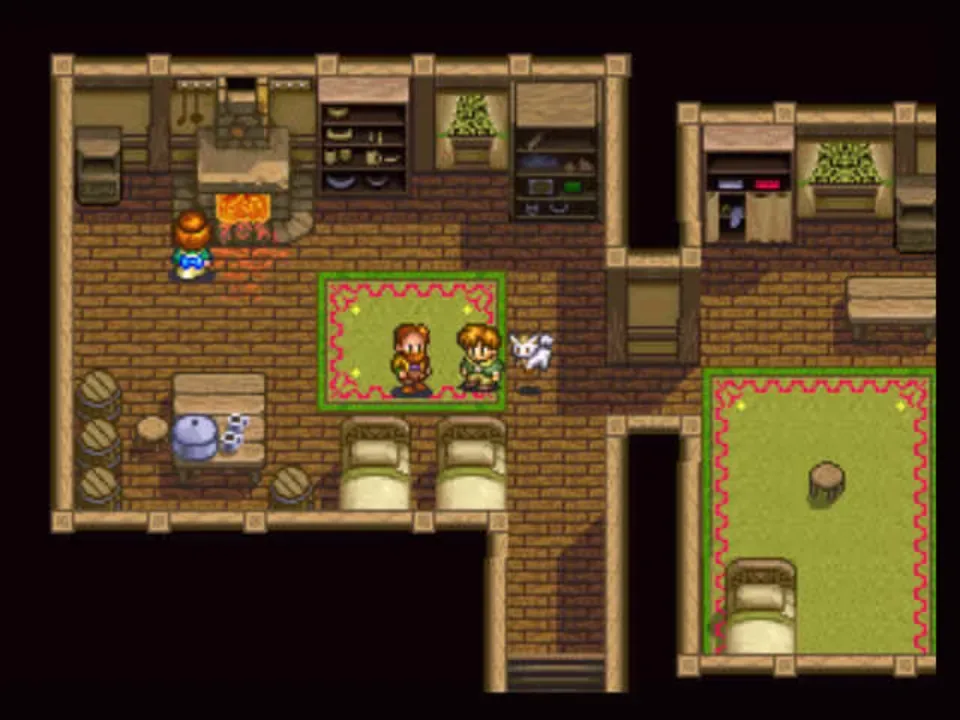
The setup is classic, maybe even painfully classic if you are dead inside, but LUNAR sells it because the cast has warmth. Alex is not some silent plank with a sword. Luna is not just there to stand beside him and look pretty. Nall talks enough for three mascots and somehow I did not want to launch him into the sun. Even Ramus, who could have been nothing more than the greedy friend, gives the early game some goofy momentum. The game is sentimental, yes. It can get syrupy enough to make your teeth hurt. But then it snaps into adventure mode and suddenly I am right back in, chasing dragons and wondering why more RPGs are not this comfortable being sincere.
The world history gives the whole thing some weight without turning into a history book. Althena divided mankind, the banished became the Vile Tribe, and now the Magic Emperor is stomping around in black armor like he borrowed fashion tips from Darth Vader and decided subtlety was for cowards. His plan is simple in that wonderfully villainous RPG way: capture the Four Great Dragons, take their power, and beat civilization into the dirt. The old heroes are gone, the world is in trouble, and the job falls to a bunch of young adventurers who are absolutely not ready for it. Naturally. That is how this works.
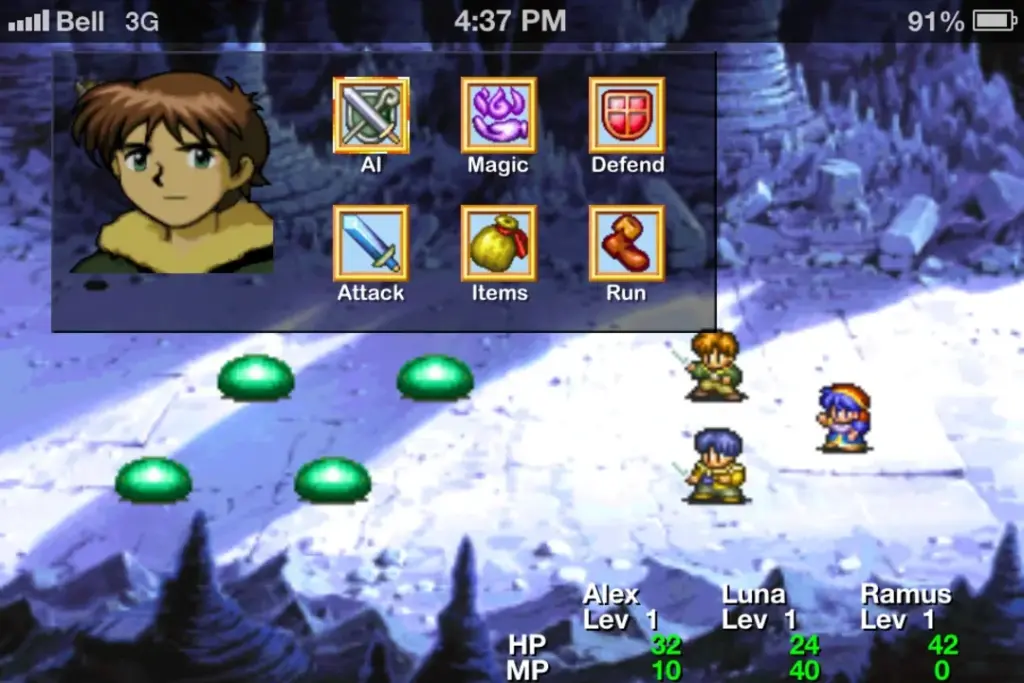
Visually, LUNAR is not trying to win the polygon war. Good. Let other games fight that battle. This one is colorful, clean, and loaded with personality. Towns feel inviting, dungeons are readable, characters animate with enough charm to carry the scenes, and the anime cutscenes are used like rewards instead of wallpaper. That matters. FMV can become noise when a game throws it at you every time somebody blinks. Here, when the animation kicks in, it feels like the game is raising the curtain.
The sound is the other half of the spell. The music knows when to be gentle, when to be adventurous, and when to go full heroic. Luna’s singing is not just decoration either. It is part of why the story works. I get why Alex would cross the world for her, because the game does the work to make her feel like someone worth crossing the world for. I am trying not to get too mushy here, but this is LUNAR, so the game already beat me to it.
Eggers gave me this copy, the same Eggers I have mentioned before, and that probably colored the whole thing for me in the best possible way. She has a habit of dragging me into the RPGs she loves and then acting like it is nothing when she hands me a piece of gaming history. She got me Chrono Cross too. She even tried to get me Crimson Tears, but I had already beaten her to that one. She reminds me a lot of Luna, giving, kind, and able to sing her ass off. There, I said it. Now I am probably revealing too much of myself in an RPG review, so let us pretend I made a joke and move on.
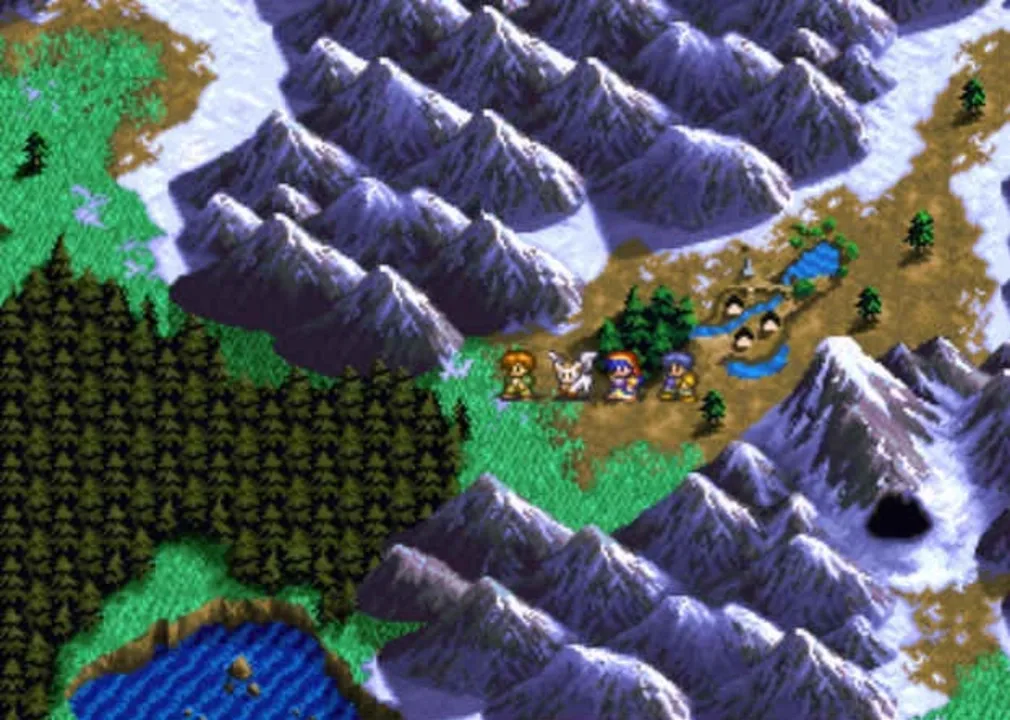
The combat is traditional but snappy enough that it does not feel like homework. Positioning matters more than in the average menu-brawler, enemies are visible enough that the dungeon crawl has a rhythm, and the difficulty pushes without becoming hateful. This is not some systems-heavy monster where you need graph paper, a strategy guide, and a priest. It is a character-driven RPG that wants you moving forward, meeting people, getting attached, and then worrying when the game starts threatening them.
That is LUNAR’s real trick. It is simple on the surface, almost old-fashioned to a fault, but it means what it says. It believes in heroes, friendship, sacrifice, love, songs, dragons, ancient evil, and all the big RPG stuff that can turn stupid fast when a game winks at the audience too much. LUNAR does not wink. It grins, throws Nall at you, plays the music loud, and dares you not to care.
If you need every RPG to reinvent the wheel, you may walk away wondering what the fuss is about. If you still believe a 2D RPG can be beautiful, funny, corny, dramatic, and completely absorbing without pretending to be something else, LUNAR: Silver Star Story Complete is exactly the kind of game that reminds you why this genre grabbed us in the first place.
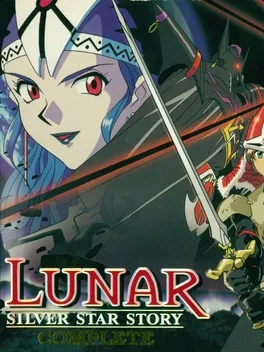
The North American PlayStation version is the collector version people usually mean when they talk about LUNAR: Silver Star Story Complete. It plays on original PlayStation hardware and most PlayStation 2 systems with PS1 support. Before buying, check for both game discs, the soundtrack CD, the making-of disc, the hardbound manual, and the cloth map if the seller claims it is complete. Loose discs are playable, but the full Working Designs package is a different beast.
The easiest official modern route is LUNAR Remastered Collection, which includes Silver Star Story Complete and LUNAR 2: Eternal Blue Complete with enhanced graphics, audio, widescreen support, and quality-of-life options. It is available on modern storefronts for Nintendo Switch, PlayStation 4, Xbox One, and Steam. Lunar: Silver Star Story Touch is also available for Apple and Android devices, with a mobile-focused interface, widescreen support, higher-resolution artwork, soundtrack options, and controller support.
For the original PlayStation version, DuckStation is the cleanest emulation choice if you are using your own discs or disc images. Keep internal resolution modest if you want the 2D art and FMV to stay close to the original look, and use normal memory card saves. The remastered collection on Steam is the simpler PC option if you want an official modern release without emulator setup.
There are other versions of the first LUNAR story, including the Sega CD original, the Japanese Saturn versions, the PSP remake Lunar: Silver Star Harmony, and the mobile Touch release. They are not identical experiences. If you specifically want the Working Designs PlayStation version, make sure you are buying or playing Silver Star Story Complete and not one of the other retellings.
| Platform | PlayStation 1 |
| Released | 1999 |
| Developer | Game Arts |
| Publisher | Working Designs |
| Genre | RPG |
| Reviewed | June 9, 1999 |