Rainbow Moon
When a person first encounters the game Rainbow Moon, he or she may be taken back to the 80s show My Little Pony. It is a name that could easily fit one of the characters from that show. However, once the game is powered on and the opening cinematic plays, the person will realize that this is no world for a friendly pony. The story begins with Baldren, a warrior who is on his way to a seasonal competition with his nemesis, the wizard Namoris. While traveling, he goes through a place known as the dark wood. Magic portals are known to randomly appear in this wood, and it just so happens that one appears before Baldren. Namoris ambushes him and uses his magic to blast him through the portal. Baldren lands in the world known as Rainbow Moon with no perceptible way back. Therefore, his immediate conflict changes from defeating Namoris to finding his way home. Along the way, he will meet allies.
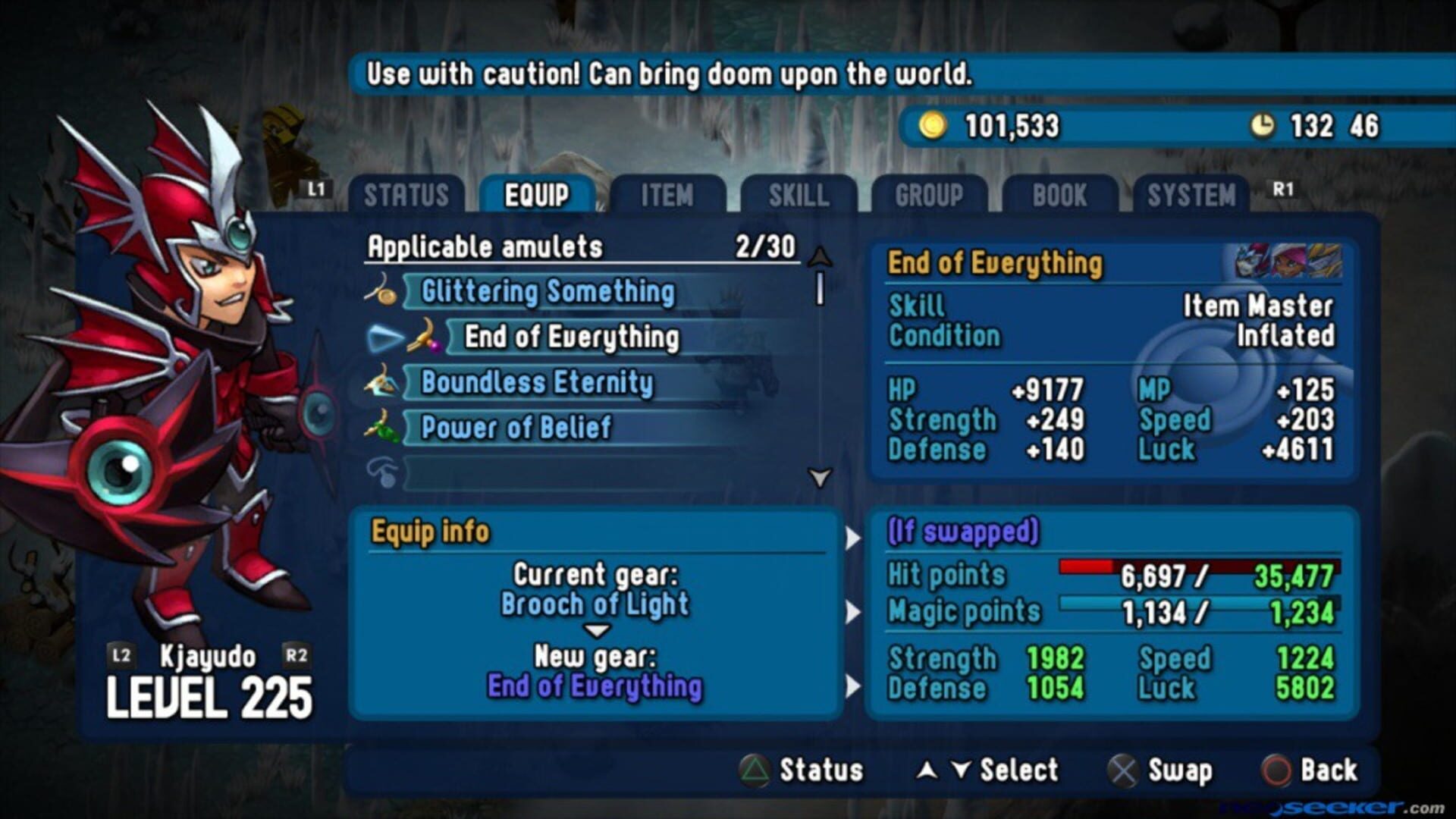
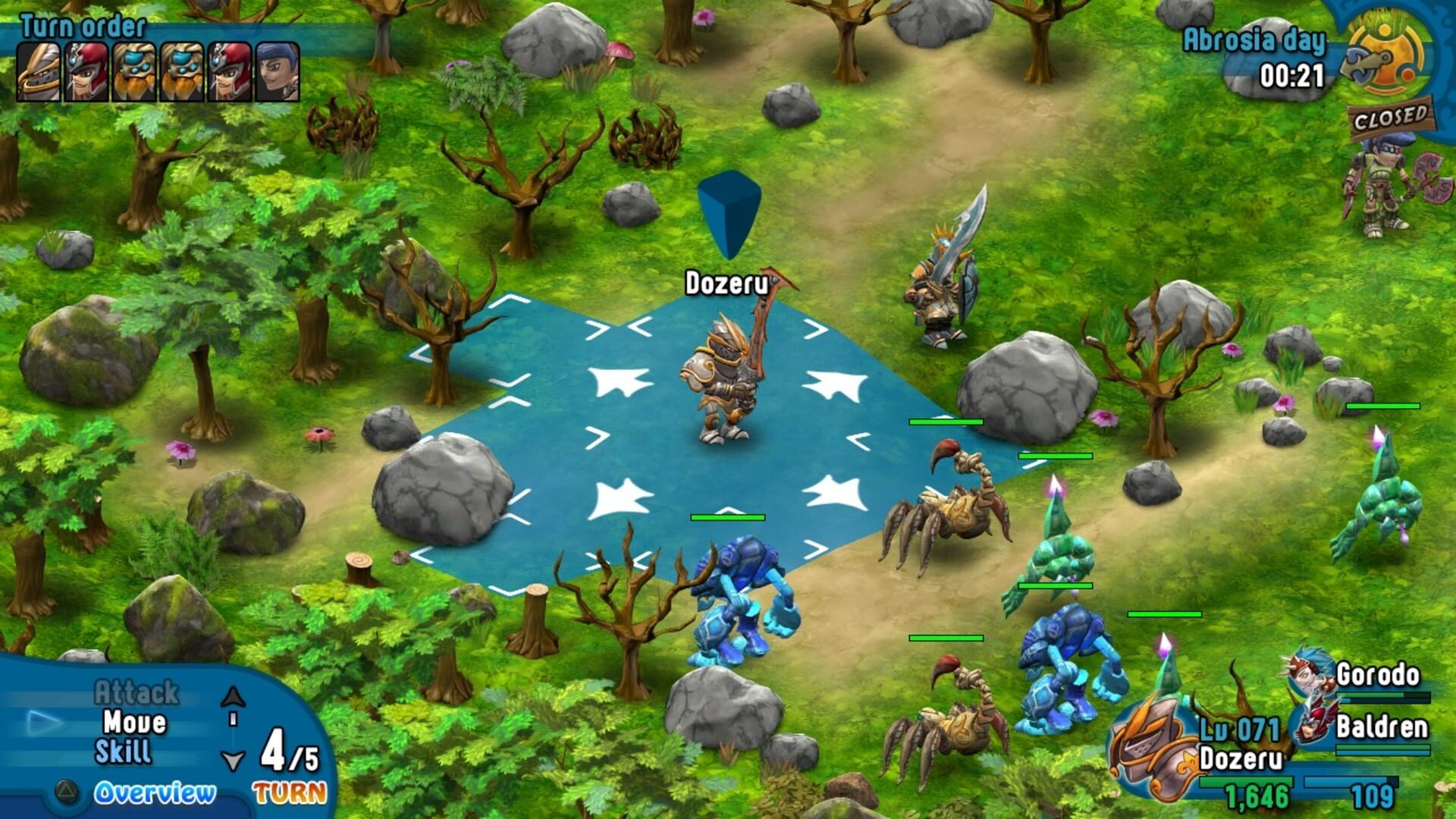
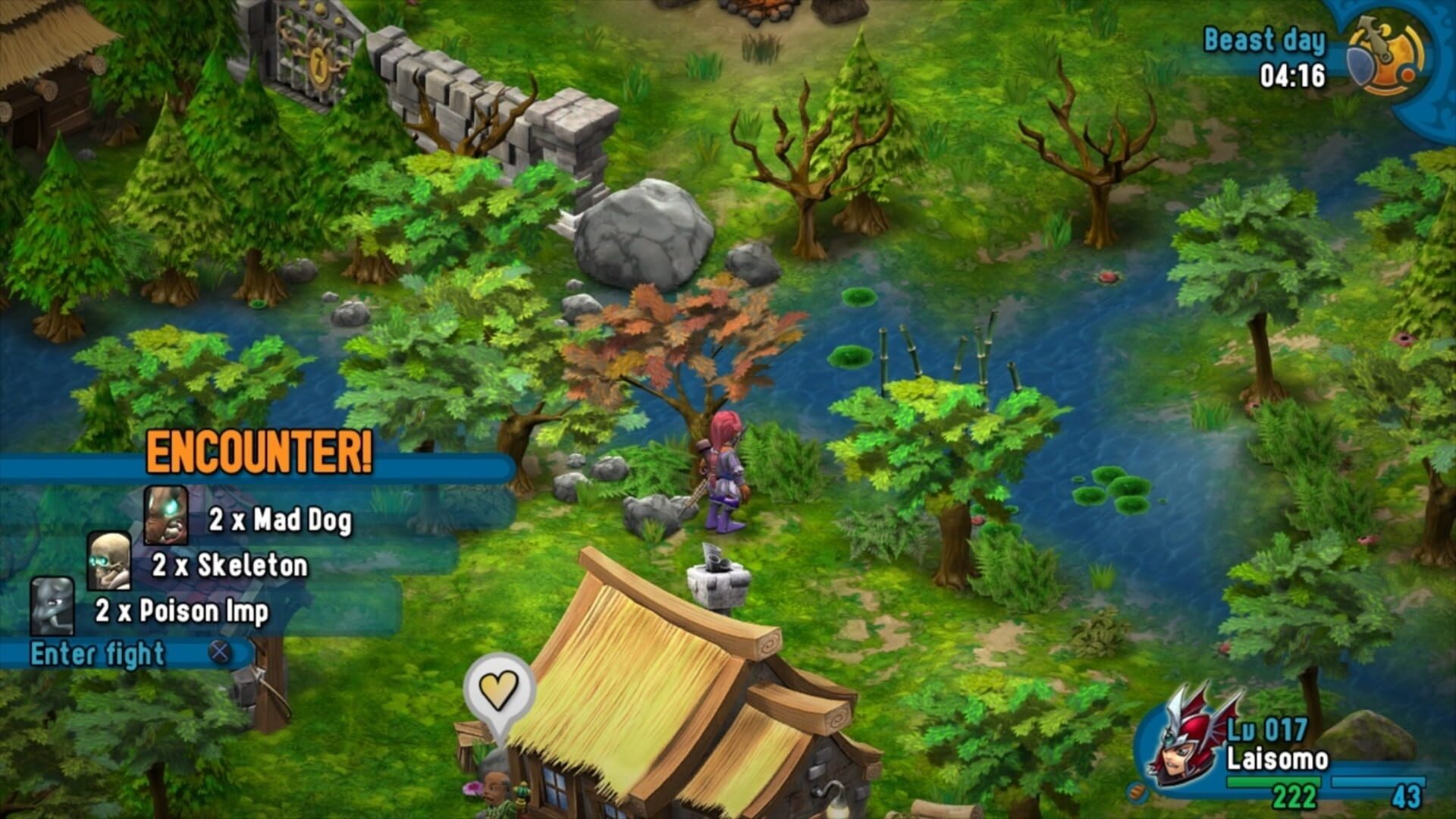
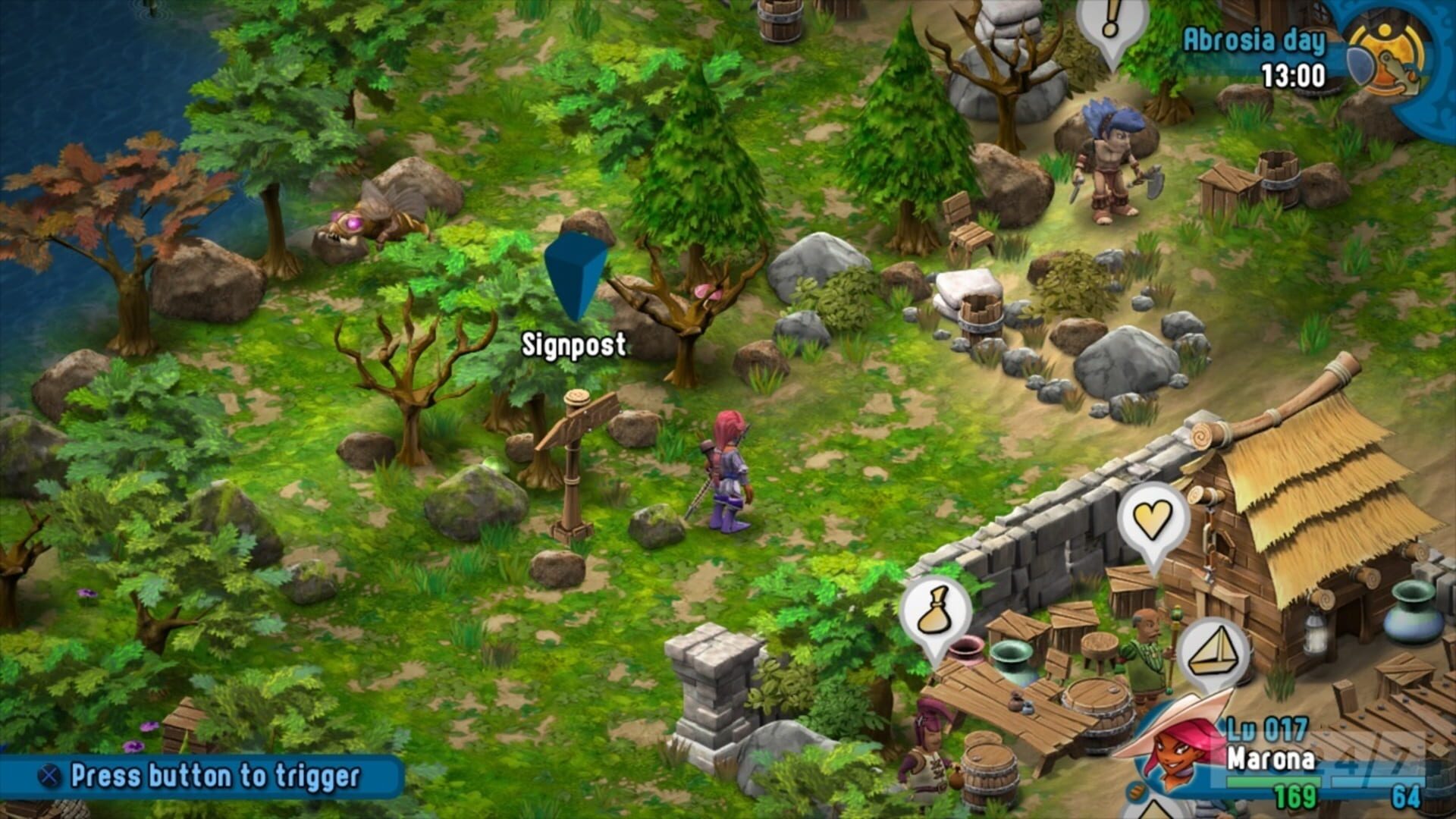
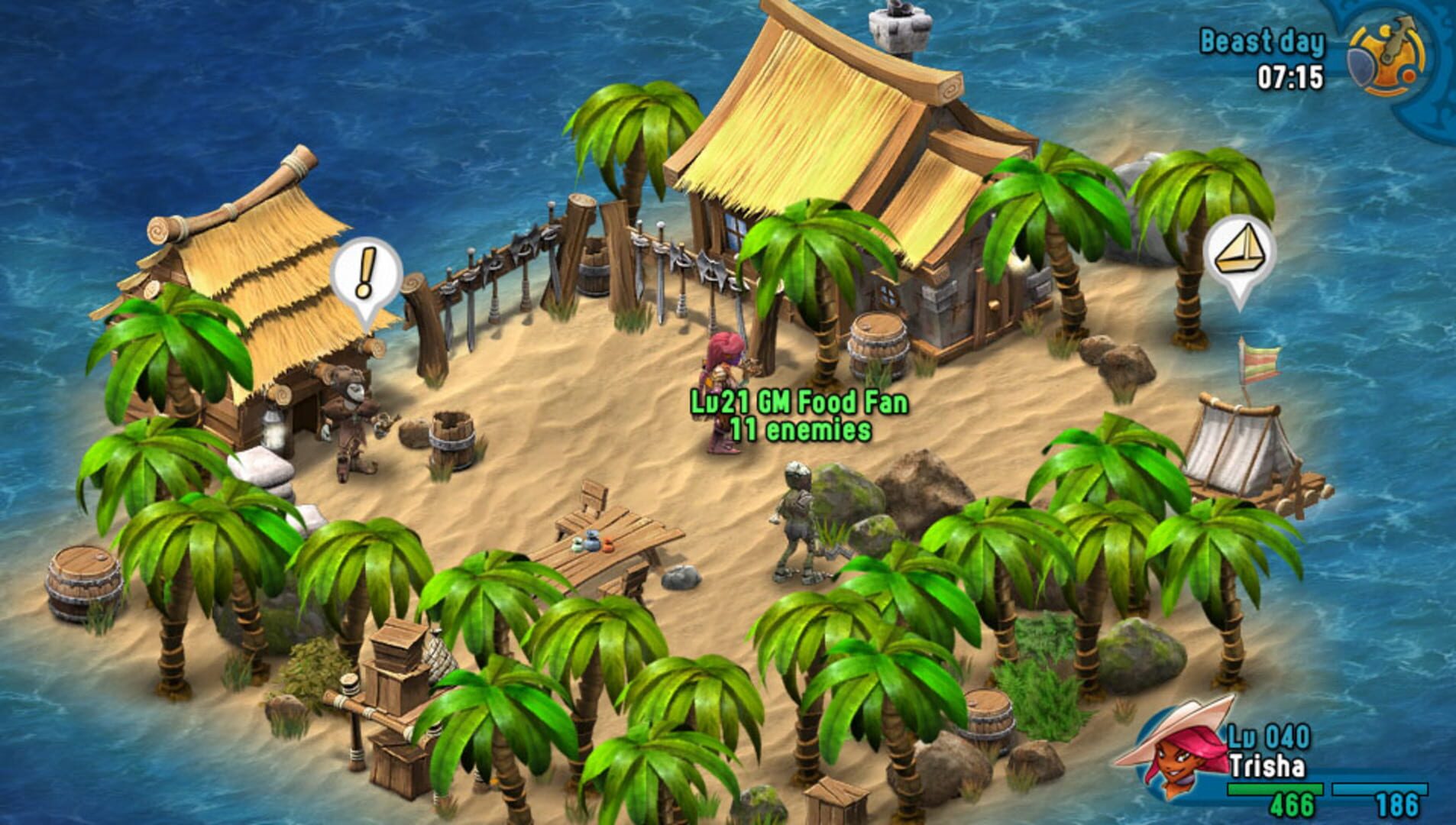
Rainbow Moon is a tactics-based RPG. Unlike other games in its genre, such as Tactics Ogre and Final Fantasy Tactics, it does not limit you to linear movement between locales. It has a vast world ready to explore. The player can explore all of it, provided they have obtained the means of accessing each area (for example, one area is only accessible with a ladder that must be found). Inside combat, the game makes use of the typical move-and-action scenario found in the aforementioned games, with a notable exception: the use of “sub-turns”. These effectively allow for more movements and actions per turn. With two sub-turns, a player can move twice, attack and use a special ability, attack and defend, or use two items. As the number of sub-turns rises, so do the tactical options during combat. Characters naturally level up, providing minor stat increases. However, the majority of these stat increases will be done by visiting a sage and spending “rainbow pearls”, one of the currencies awarded through combat, to increase stats; the type of stat determines the cost. Quests and side-quests are included to help the player gain money, reputation with NPCs, and other items to progress the game. One thing to note is that the game is very grind-heavy. The first side-quest will ask you for three bee’s wings. After seventy-five kills on bees, a single wing was obtained. That makes for an astounding 1.3 percent drop rate. (It is a good thing she did not need to replace her entire insect collection.) A final note is that Rainbow Moon does not involve the ability to change Baldren or his friends’ classes, as the classes are set, but each character brings a different tactic to the combat scenario.
The introduction into Rainbow Moon is fast and brutal, but it is still delivered with efficiency. The world reveals a lush landscape and exotic creatures to challenge even the grittiest, hardened veteran. Coincidentally, brutal monsters appeared when Baldren arrived. The characters that live on the other side of the Rainbow Moon portal all have their own distinct personality. They tend to be hostile, gruff, or reserved when first encountered (after all, they think it is Baldren’s fault that these monsters showed up when they did). Thankfully, they do open up when the main character proves himself by being willing to go out and die to bring back trivial things such as the wings of a bee. While these characters create a diverse cast for the player to interact with, they do not set any lasting impressions. Finally, the comrades that join Baldren in his journey bring their own unique strengths and weaknesses to the battlefield. These combinations, if used correctly, make for a great tactics gaming experience.
The inhabitants of Rainbow Moon show off their anime-style flair via their well-drawn character models. These same quality graphics are displayed inside combat through the use of special skills and abilities. In addition, enemies of the player have their own unique abilities and looks. Familiar monsters, such as the earth golem, will be encountered, but Rainbow Moon has melded its own artistic license onto these monsters that inhabit other fantasy games. As a final point, the story cut-scenes have that Little Big Planet feel to them and include good narration. The cut-scenes’ only flaw is the inability to skip them.
Rainbow Moon’s soundtrack is composed, arranged, and produced by Rafael Dyll. Being an anime-style game, there is a variety of moods that have to be conveyed to the player. The soundtrack has no issue delivering the correct atmosphere, from the upbeat overland to the dark, creepy dungeon. Furthermore, Rainbow Moon’s ability and magic-based sound effects deliver that much-needed flair for conveying the raw power behind said abilities. A player will be given a very detailed crash course on how to play. The learning curve is fairly quick and is only lengthened by new game features introduced later that add to the overall complexity, but on the upside, it does insert fresh content. The controls are simple enough. The directional arrows and the X and O buttons take care of ninety percent of what will be done inside combat, and the triangle button will cover the remaining ten percent outside of combat. The most frustrating element in the controls will be the movement (the camera tilting at inopportune moments, creating movement that doesn’t seem logical). The other frustrating element is “cancelling out” to perform a different action on a sub-turn.
The entertainment value of Rainbow Moon is only diminished by the fact that it is very grind-heavy. Performing 225 kills to complete a quest for three bee wings is a bit excessive. Other than that, the game’s graphics, music, highly traversable world, enjoyable (yet sometimes annoying) characters, and combat abilities make for a game that is very fun to play. The replay value, again, is only diminished by the fact that there will be gritting of teeth from all the grinding. The game has a rating of E (10+). It includes cartoon violence, such as the opening cut-scene, which shows the main character getting struck with lightning from a wand. The violence does not include blood of any type. The mild language comes from the usage of words used in conjunction with “holy” to add a humorous element to an overpowered move. Other than that, the game lives up to its rating.
A charming, deep, anime-styled tactics RPG with great art, music and satisfying combat, held back only by a relentless, teeth-gritting grind.
A PlayStation 3 and the PSN download.
Available on PS Vita, PS4, Steam and Nintendo Switch.
| Platform | PlayStation 3 |
| Released | 2012 |
| Developer | SideQuest Studios |
| Publisher | EastAsiaSoft |
| Genre | RPG |
| Reviewed | January 16, 2013 |