Dungeons & Dragons Online
Dungeons and Dragons Online: Eberron has come a long way since its subscription-only roots. The game became free-to-play in September of 2009. Since then, DDO has seen a dramatic increase in revenue (Gamasutra states 500 percent), with subscription rates in the hundred-thousand-plus range. So what is the secret behind the loyal player base in this MMO?
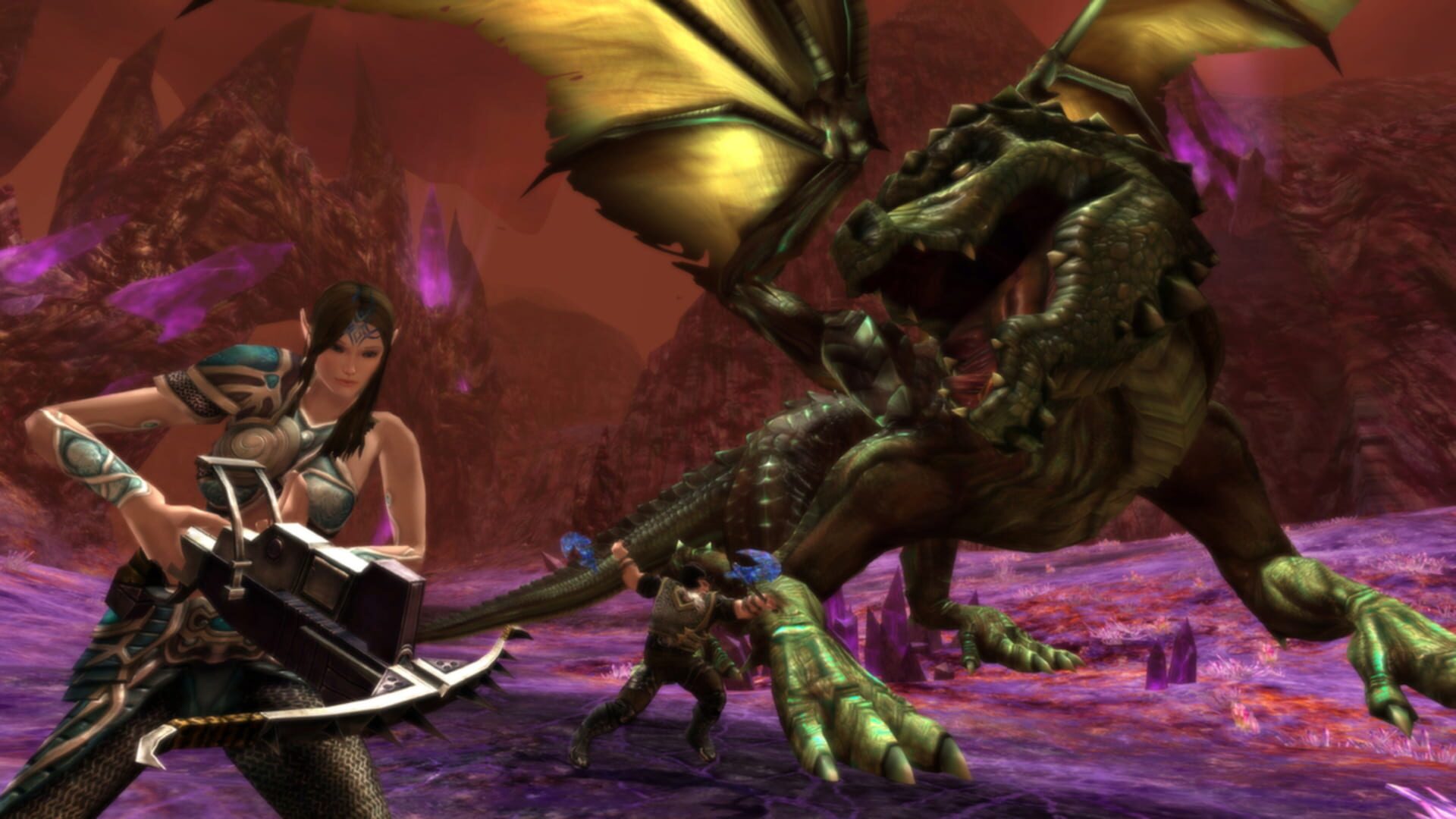
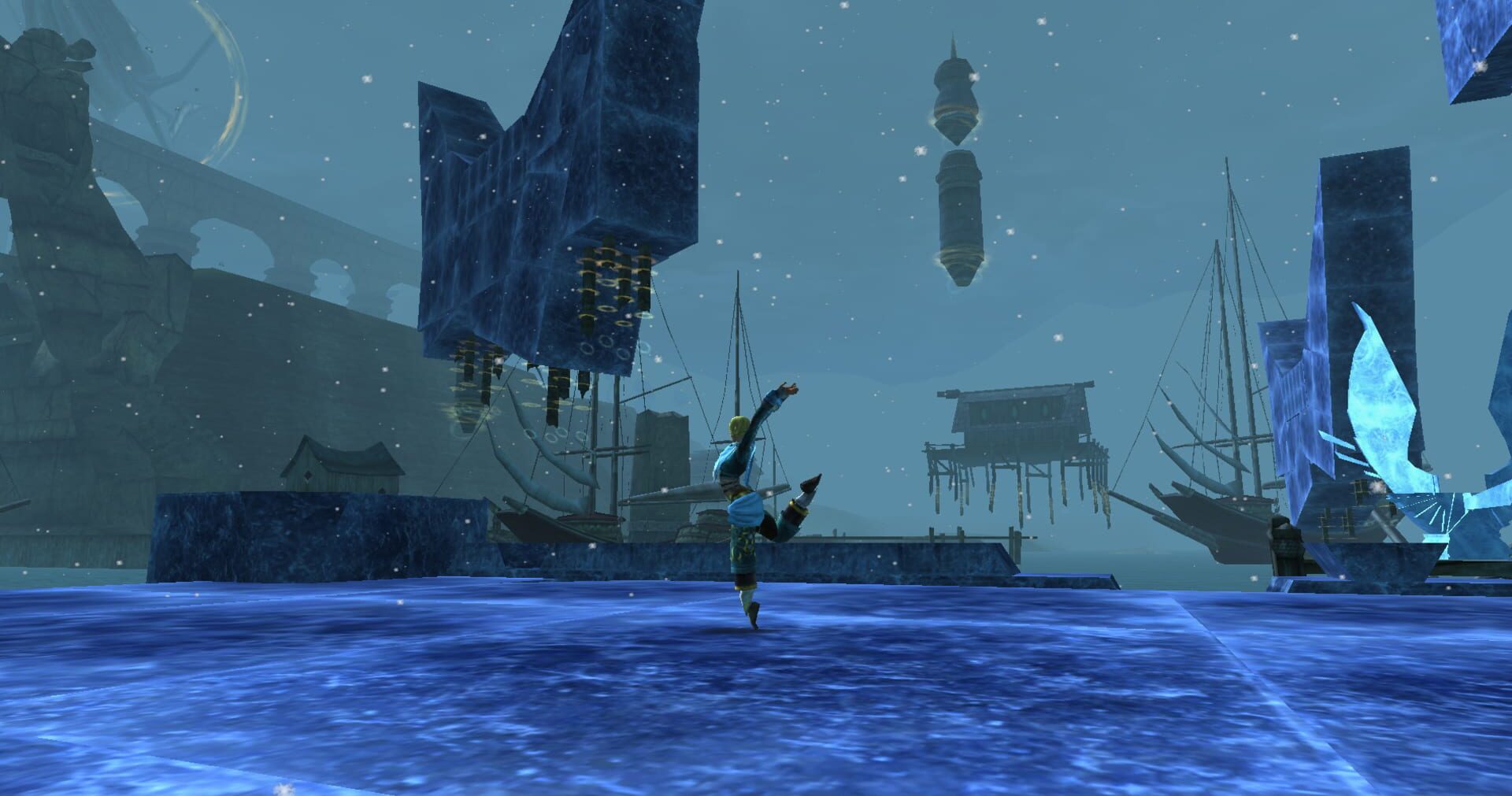
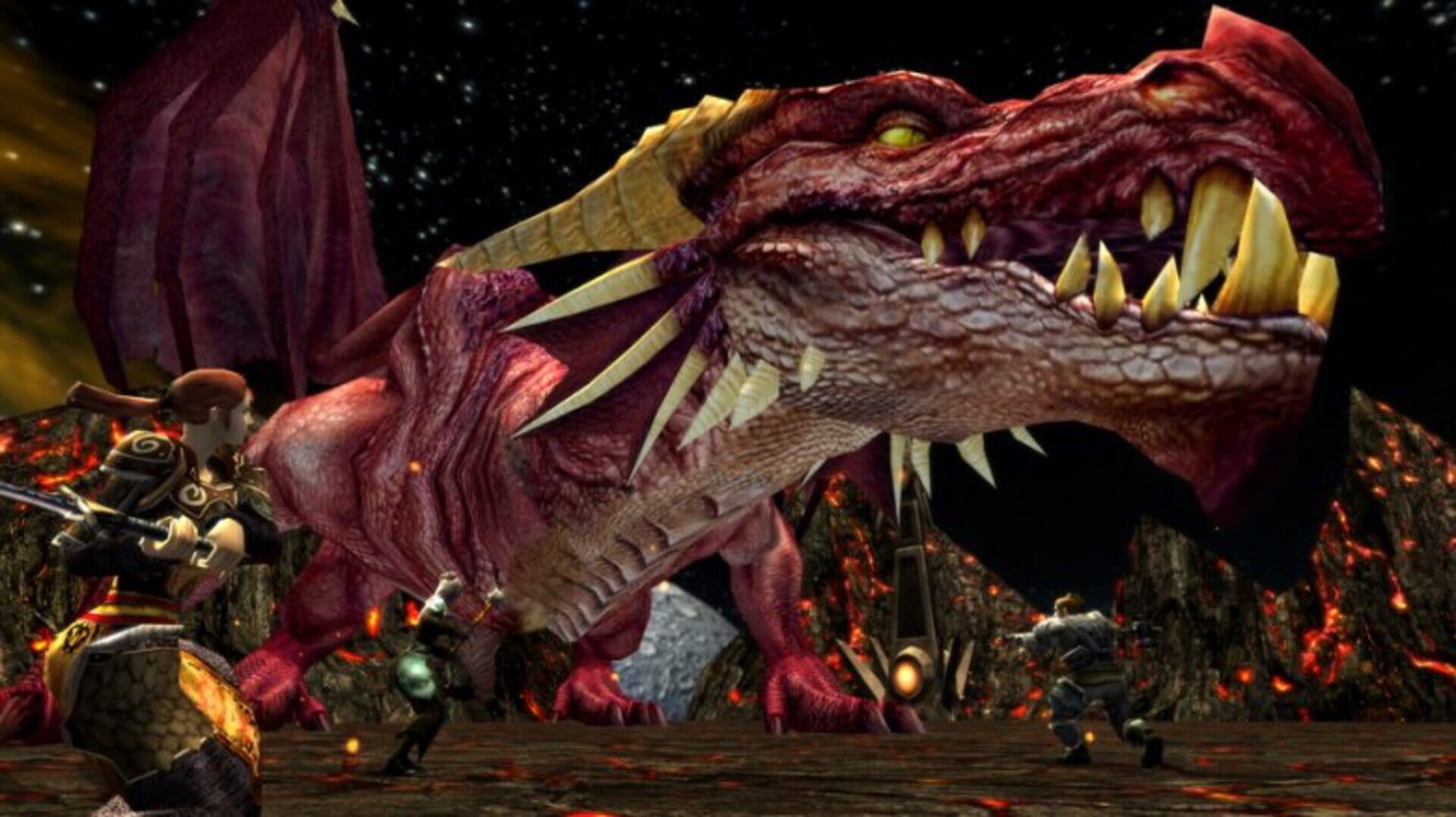
The opening story takes place on the island of Korthos. A dragon has laid siege to it, attacking everything in its path, including the player’s ship. The island, which is normally tropical and warm, is now frosty and snow-laden. Cultists, who have taken up with a species called the Sahuagin, are instigating violence and unrest. The island’s inhabitants are coming up missing, and the individual Lars Heyton, whom Korthos looks to for answers, is feared dead. So our next step is to find a hero to help Korthos.
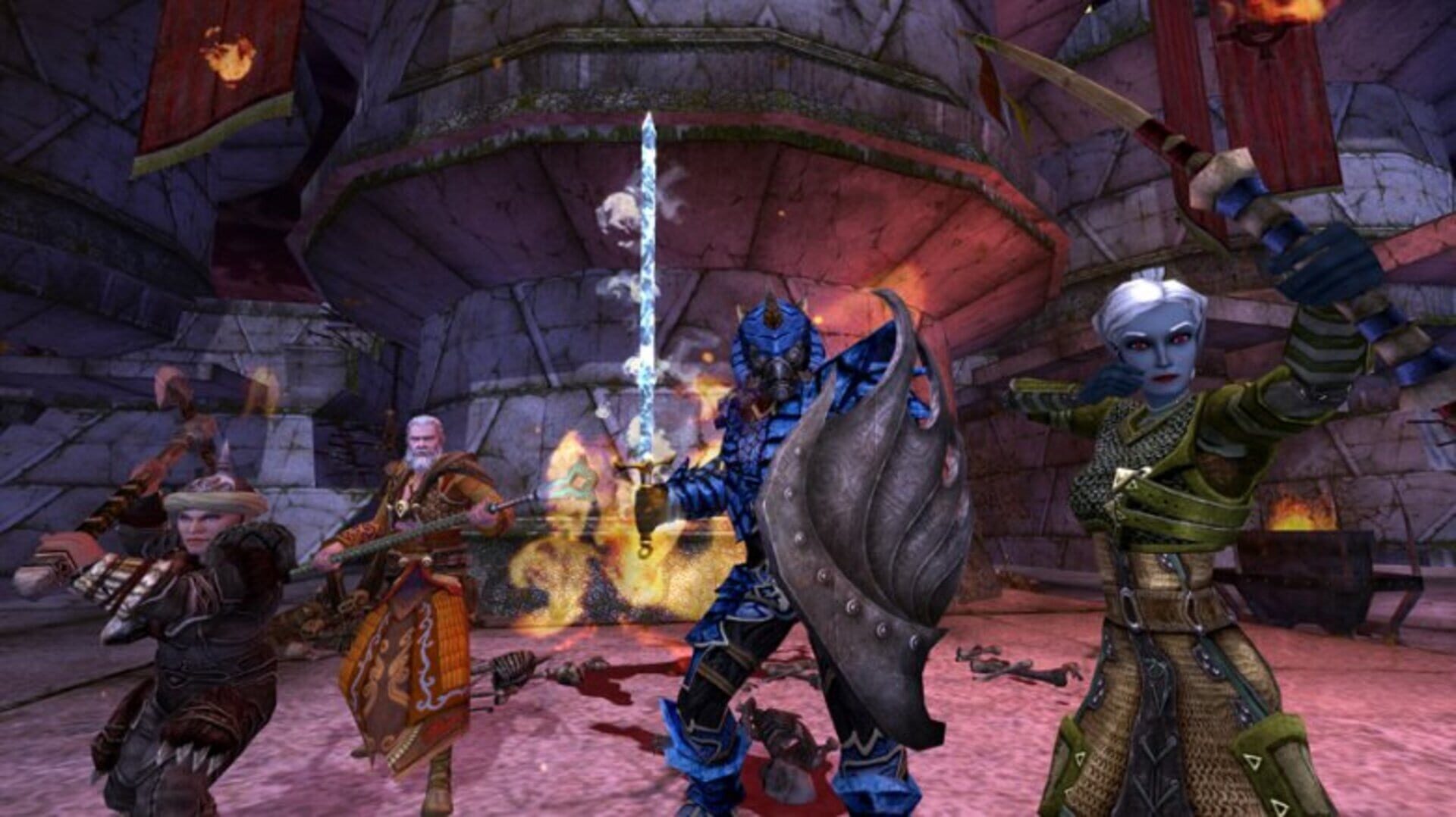
Players begin by generating a character. The character creation screen is straightforward and flowing. I could easily and quickly select from the areas of Style, Class, Path, Race, and Look before entering the game; my review character was in-game in one minute and forty-four seconds. Indecisive players can use the recommended button to get assistance in selecting options for their character. It will adapt to custom choices that have already been made in previous tabs. Advanced players will want to take a look at the customize option under the Path tab; this will allow them to make a character their own with no game-encouraged selections. The game will randomly generate a character’s look. New looks can be randomly generated, partially randomized (the player locks in some customization and has the game randomize the other features), or complete customization can be handed over to the player. While creating characters was fairly simple to get from point A to point B, backing up to make changes was quite cumbersome. Starting fresh in the Style tab would mean backing up through all the tabs already completed, instead of just clicking the tab itself. Customizing a character further complicates this issue. If you wanted to go back to make any sort of change, all changes in the customization have to be erased and it has to be restarted from scratch.
When the player has finished creating their character, he or she will then move to a tutorial area that ties the hero into the story. It provides an excellent crash course in the game. It did, however, lack in certain areas. Opportunities were missed to give players valuable tips, like using the Tab key to target enemies or the G key to toggle auto-target mode. The default controls made the game a little awkward at times as well. For example, the player has to perform unnecessary combinations of button pushes and mouse clicks to perform basic functions, like strafing motions. This can be changed in the key mappings by using the “Classic” style of button mapping. Despite these shortcomings, the tooltips did provide the majority of the information needed to get a new player started on their adventuring career in DDO.
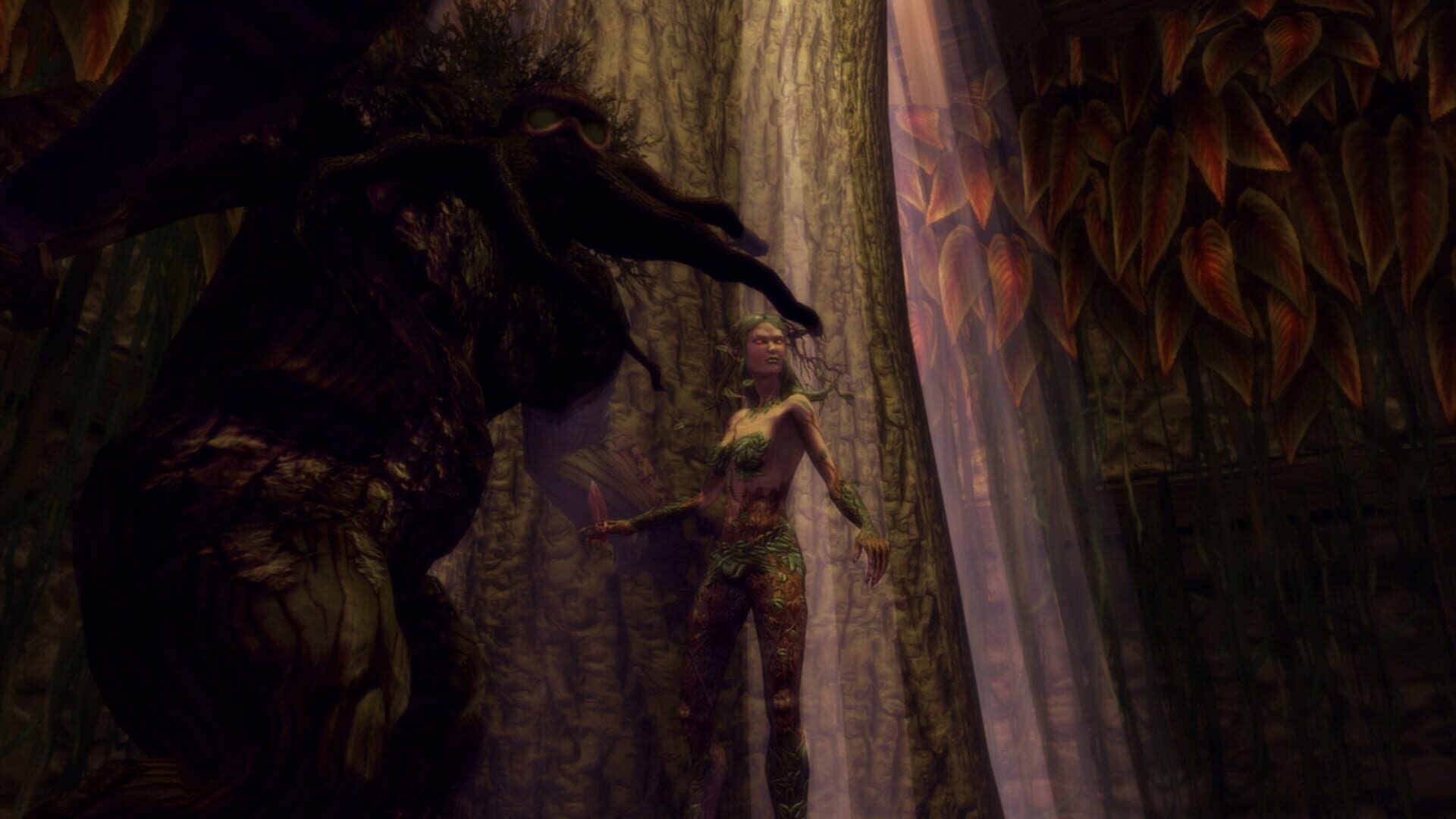
The content within DDO will leave you with the feeling of déjà vu on more than one occasion. Although the maps are laid out differently, the decor and surroundings will put the “have I been here before?” question through your mind. This does not end with the opening area of the game either, but continues on throughout the later areas like Stormreach. Upon reaching Stormreach, players may notice that some areas will be inaccessible to them. This is due to the fact that the content in that area has not been purchased through the DDO Store, or the player lacks a current VIP subscription. The déjà vu effect, and overall game stagnation, can be warded off by purchasing some adventure packs or becoming a VIP subscriber, which unlocks all content, classes, and races.
My other thoughts on the game include the DDO Store itself. It contains a variety of items and upgrades to help a player on their adventures in this MMO. Items vary from healing potions, to better loot gems, to unlocking features of the game. Turbine points can be earned in game and via real-money purchases. Adventure packs can be bought to unlock new areas for those who do not wish to be regular subscribers. Turbine keeps a rotation on its sales of Turbine points and adventure packs, so keep an eye out for these.
Finally, I was impressed with the helpfulness of the community on my review server. Asking some newbie questions did not result in any “read the manual” answers. I received quick help for any questions I had, and the community had an overall friendly and helpful demeanor. This is a welcome change coming from MMOs where the communities are nothing short of hostile to a new player.
A welcoming, well-run free-to-play D&D MMO with fast character creation and a genuinely friendly community, let down by repetitive environments and aggressive content gating.
A Windows PC and a free account; optional VIP subscription and adventure packs unlock more. Still live and free-to-play, now run by Standing Stone Games.