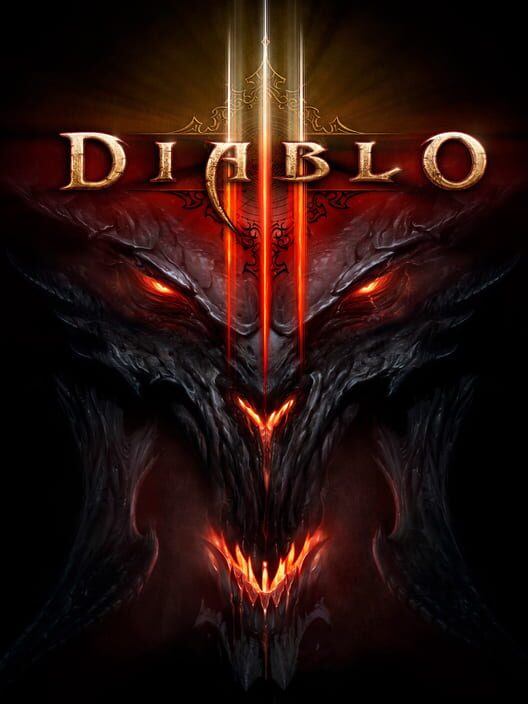
Diablo III
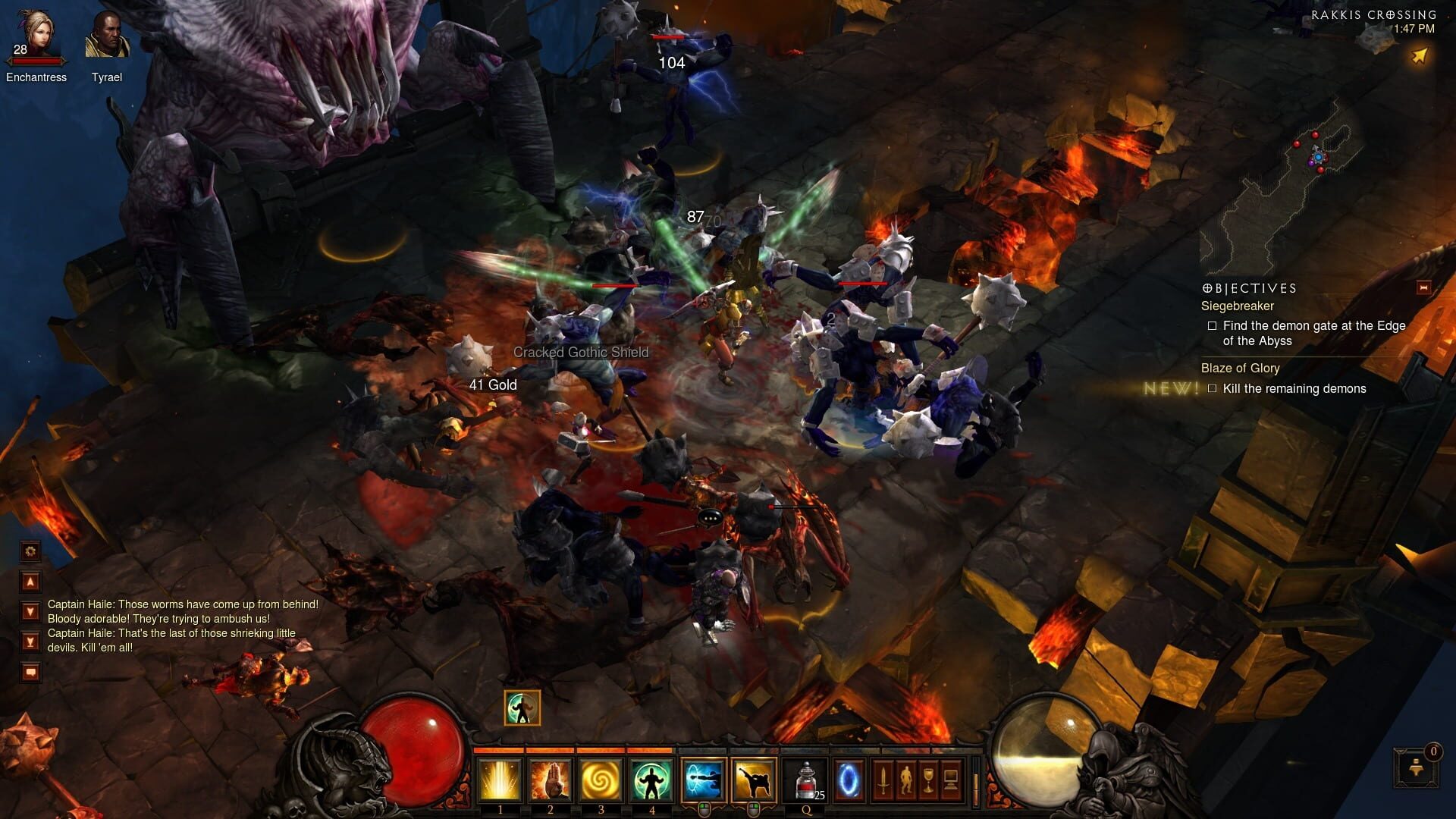
Blizzard’s wildly popular Diablo III was released two weeks ago amid high anticipation. The third in the dark horror series, Diablo III follows a linear storyline. Twenty years after the events of Diablo II, evil has revisited the world of Sanctuary. The residents of New Tristram suffer ghastly horrors soon after a star falls onto the infamous Cathedral in the ruins of old Tristram. Amid regret for having built a new town so close to the accursed site, the people cry out for another hero to save them. Players who care about storyline will be somewhat satisfied with Diablo III. The story seamlessly connects to past events in Diablo II, including the reemergence of familiar NPCs such as Tyrael and Cain. Where the game goes awry is that it follows the same formula as the second: it takes place over four acts in the same environments, and the main antagonists are yet again two “high” demons wreaking havoc among the mortals. Thankfully, the rich and talented voice actors add depth to the story during cinematic moments. Another saving grace is that Diablo III is rich in lore, with an endless supply of journals found in optional dungeons and side quests that also provide miscellaneous equipment and extra experience. Unfortunately, the game does have the feel of grinding, as the player has to repeatedly tear through hordes of demons and monsters, even if they opt to skip the side-stories.
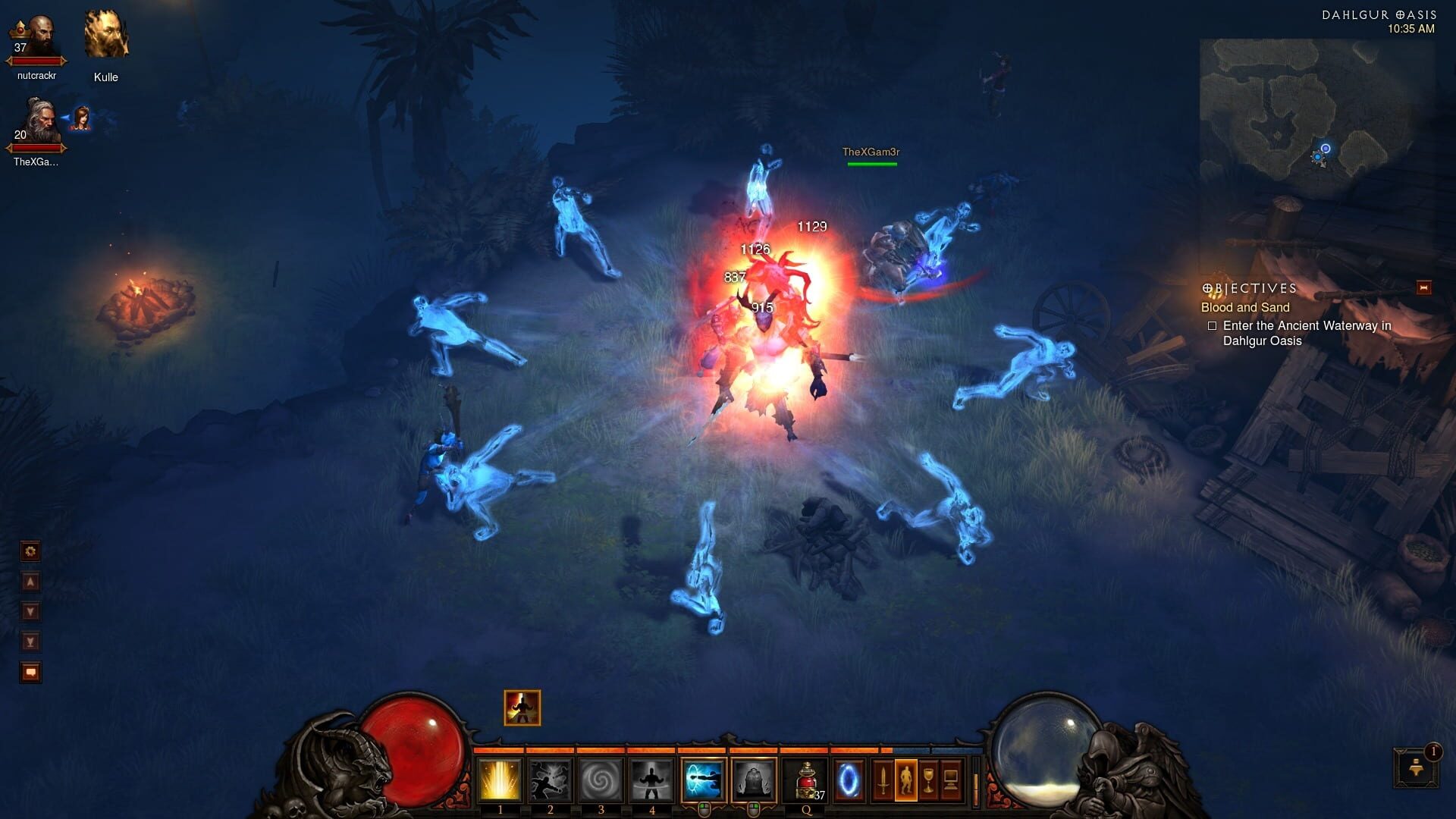
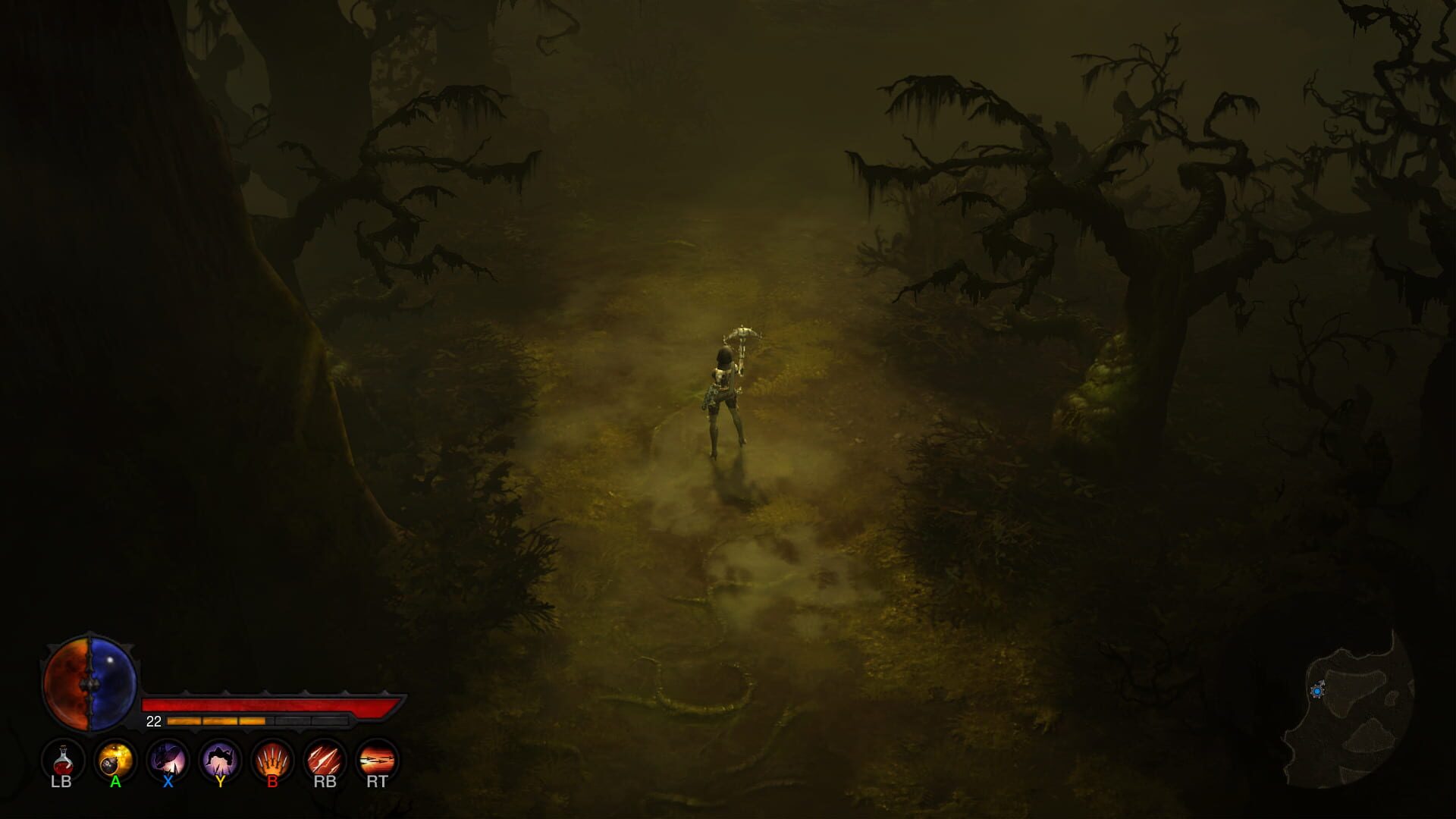
Before one can jump into the hack-and-slash, one must first choose a hero. Diablo III offers five character classes. The Witch Doctor has been compared by many to the necromancer class from the previous game, but Blizzard contends that it is a class of its own; the Witch Doctor dabbles in the dark arts associated with voodoo, such as harvesting souls, summoning monsters and casting curses. The Barbarian is a force to be reckoned with, a class that relies completely on immense physical ability to cleave, crush and destroy. The Wizard, rather than a sorcerer or sorceress, appeals to players who like magic; wizards’ spells involve the natural elements (lightning, fire and ice) as well as time and space (slowing the flow of time and teleporting). The Monk, whereas the barbarian is brute strength, is fast and dexterous in order to employ martial arts, and also fulfills the holy-warrior role of Diablo III. The Demon Hunter, although new, incorporates the skills of the amazon and assassin; demon hunters prefer to maim with deadly bows and traps, and unlike barbarians and monks they aren’t meant for close melee combat, so they rely on defensive maneuvers to keep them alive. Character creation is blissfully simple, but some may find it too simplistic for their tastes. For instance, players cannot randomize names or customize their characters beyond choosing which gender they prefer; appearance and voice are pre-determined, and players cannot truly role-play the character when it comes to choices, such as which response their character would say in dialogue. Blizzard makes up for this by providing each class with its own distinctive backstory, giving a reason why a particular hero courageously battles terrifying demonic forces. Additionally, each character has a unique personality revealed through narration and dialogue, and the writers were realistic in character development in that each class also exhibits flaws (the demon hunter does not fear death, but her obsession with revenge may cause her to lose sight of other matters, whereas the monk can see clearly but lacks emotional depth). The differences in each character enhance the game’s replay value.
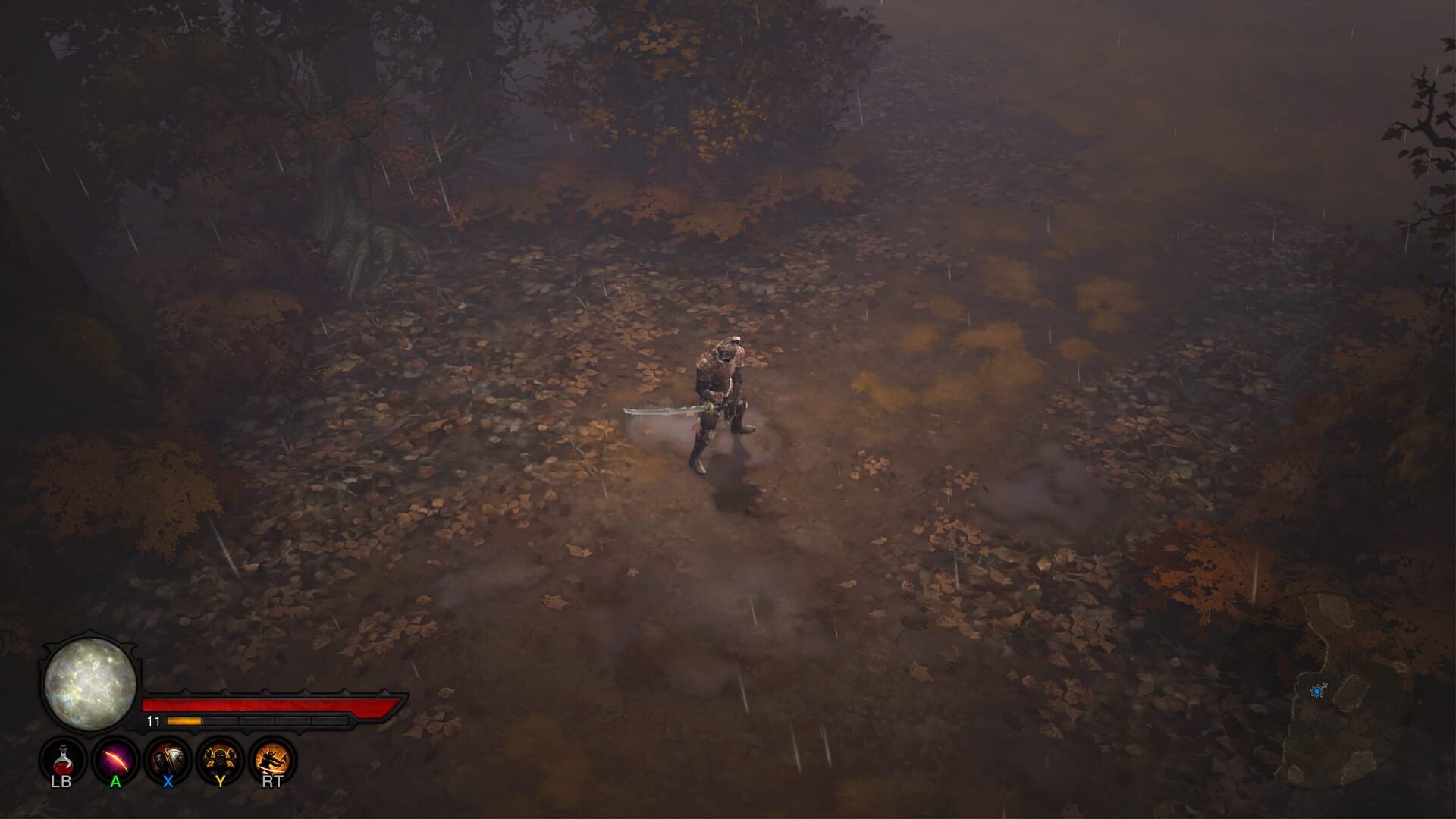
The game graphics complement the creepy environment necessary to games of the horror genre. Players will experience nostalgia upon hearing the soundtrack, as it is mostly the same as in the previous Diablo games. The creators have implemented a variety of landscapes, as was done in Diablo II; for the most part the maps remain the same, but the locations of key areas and items are randomized, again adding to replay value. The game mechanics feature both good and bad elements. The good is that playing the character is simple; a player only needs the left and right mouse buttons plus a few keys, rather than memorizing a complex set of keys to pull off a combo. Simple is nice, but since movement is also tied to the left mouse button, this can be bad: in the midst of an attack, one can easily forget to hold the shift key while attacking and accidentally walk into yet another swarm of enemies, and several players prefer to use the keyboard to walk. Another feature that cuts both ways is the shared gold and resources among characters. Each player who creates multiple characters can share gold and resources among them, which is bad if you share your account with a guest, since they could spend your accumulated wealth or take supplies from the storage chest, but on the other hand, players who like to create farming characters, or mules, will find it useful. The game’s graphics and style are similar to its predecessors, especially Diablo II, and one feature that stands out is the artistic, hand-drawn feel; the graphics are clear and satisfactory for special attacks and spells, and from time to time players are treated to realistic-looking cinematic scenes to propel the story along.
Overall, Diablo III provides tepid entertainment to those who enjoy action-packed horror. However, in order to justify its price of close to $60, the makers should ensure that servers are available for longer hours. Those who prefer single-player will find themselves frustrated that they still have to rely on functional servers in order to play; in fact, they would prefer to play offline with the option of hopping online if multiplayer and the auction house interest them. The lack of character and game-control customization, the instability of the network, and the grinding of foes cause the score to reach a mere 7 out of 10. While this is considered a passing grade, it is still disappointing, because Diablo III could be so much more.
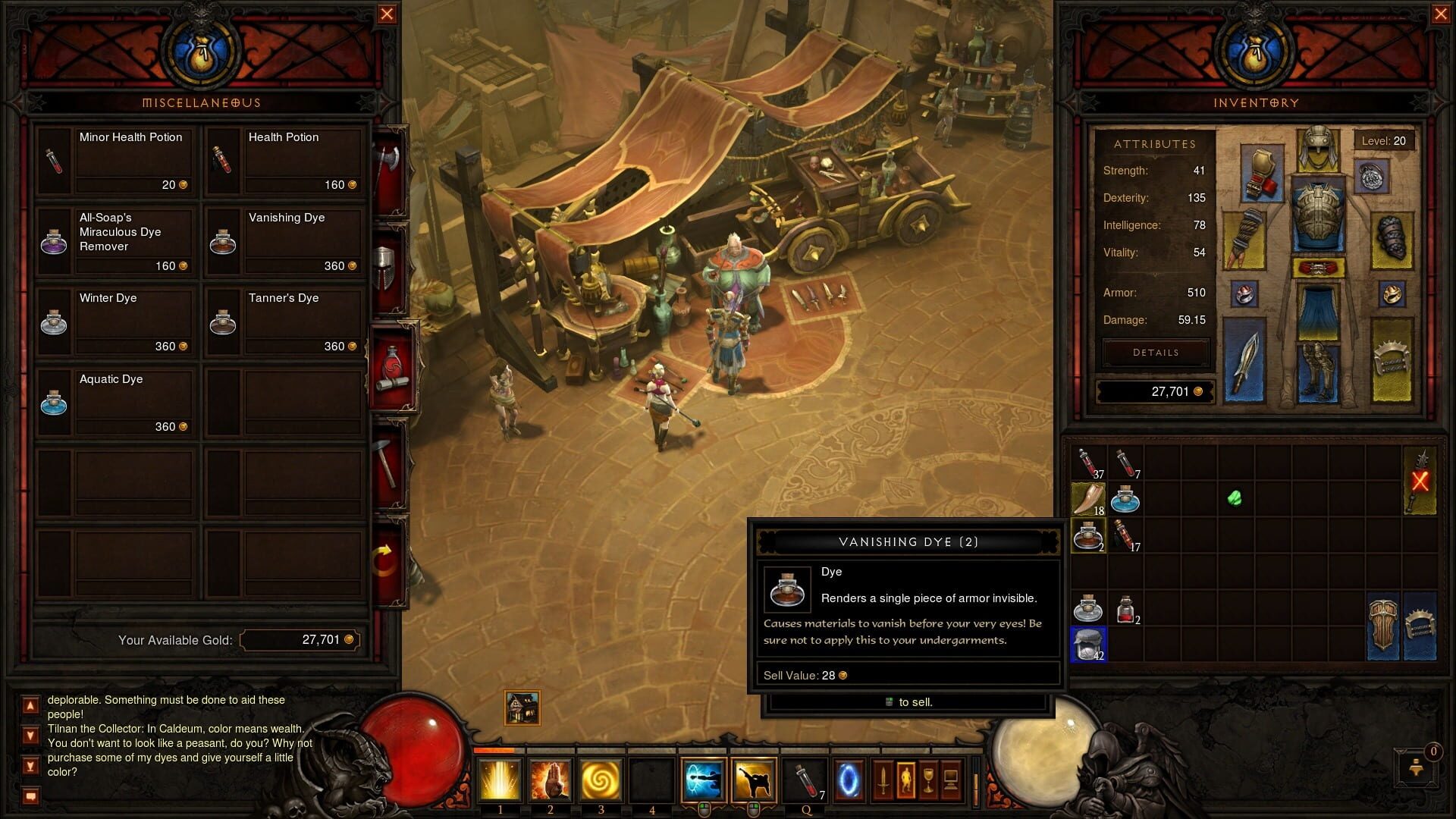
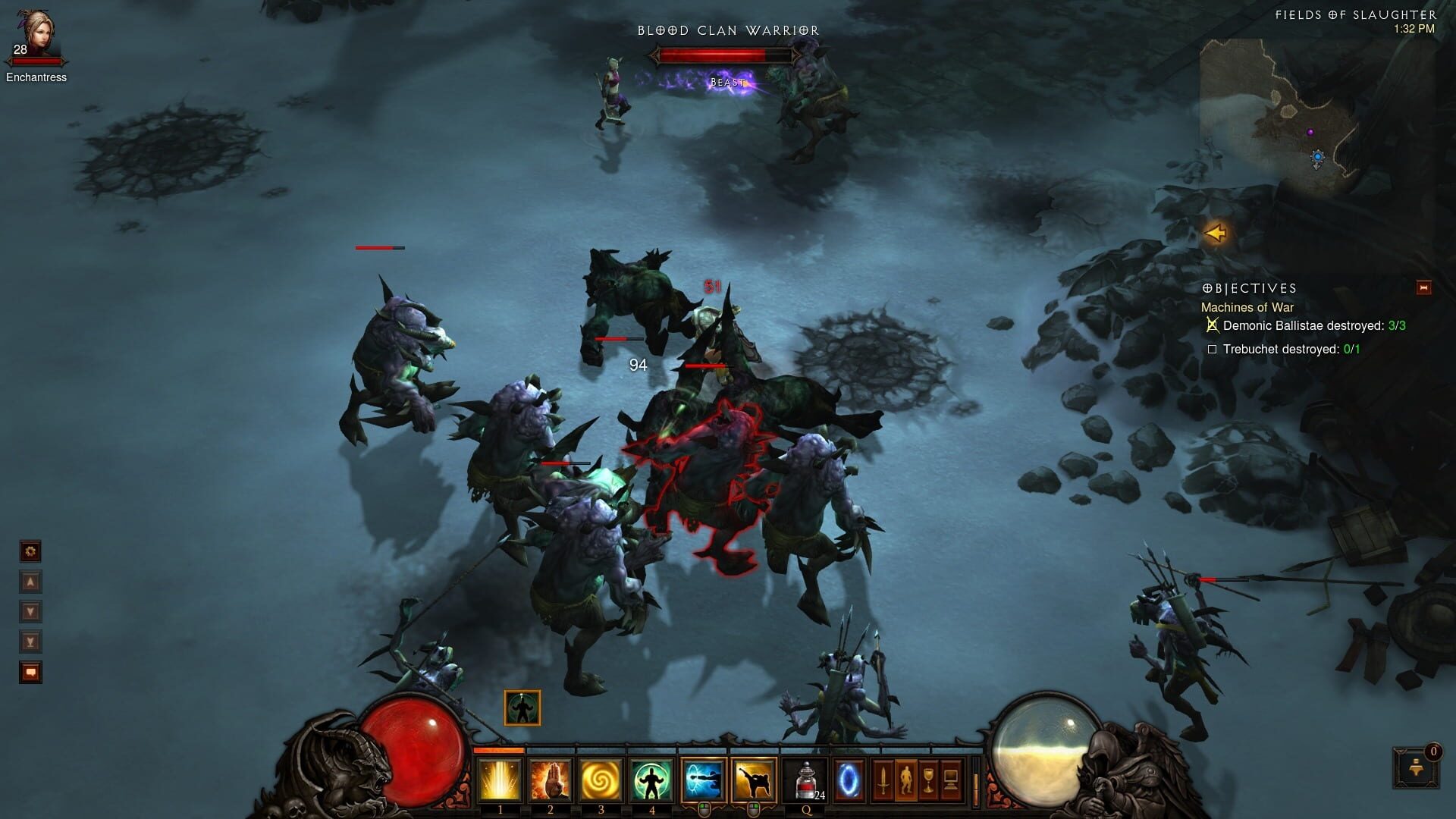
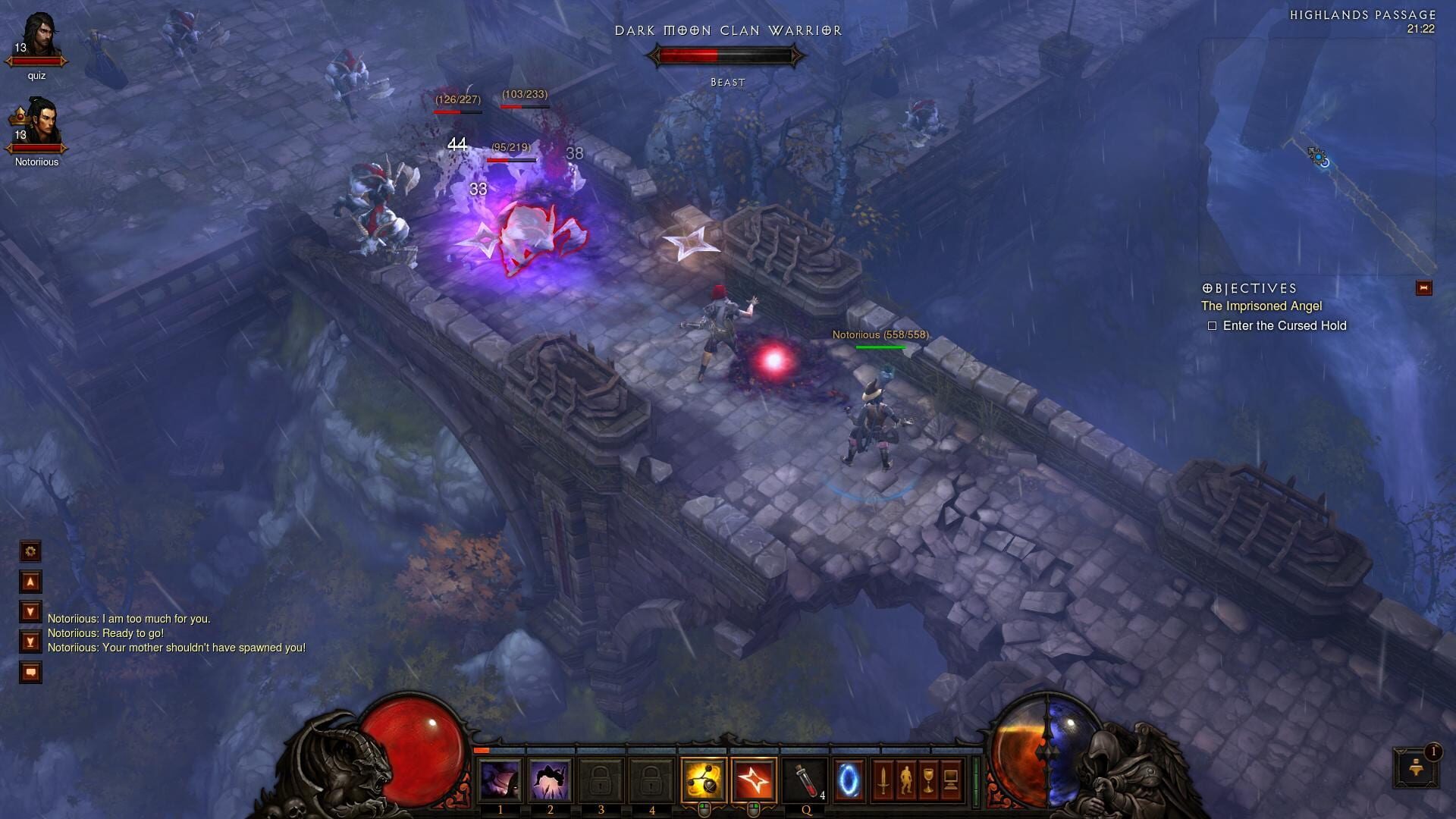
A handsome, lore-dense, neatly connected sequel whose always-online requirement, simplistic customization and grind keep a passing grade from being a great one.
A Windows or Mac PC and a Battle.net account; an internet connection is required even for solo play. Still sold and serviced on Battle.net today.
Later released on PS3/PS4 and Xbox 360/One as the 'Ultimate Evil Edition' with Reaper of Souls.
| Platform | Mac |
| Released | 2012 |
| Developer | Blizzard Entertainment |
| Publisher | Blizzard Entertainment |
| Genre | action-RPG |
| Reviewed | May 30, 2012 |