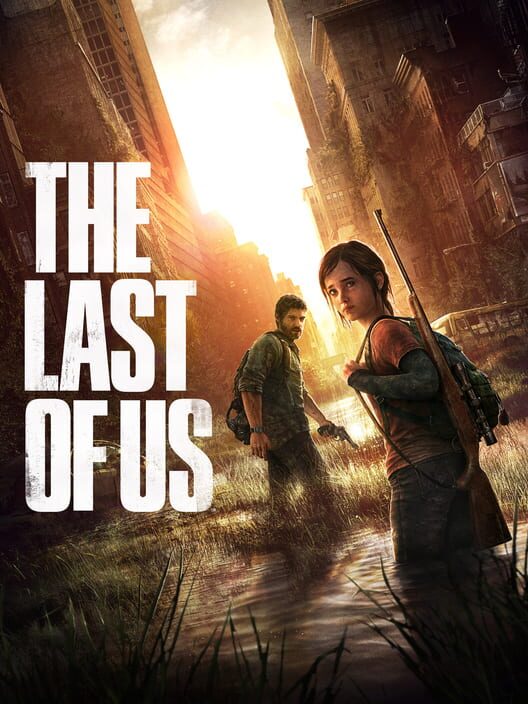
The Last of Us
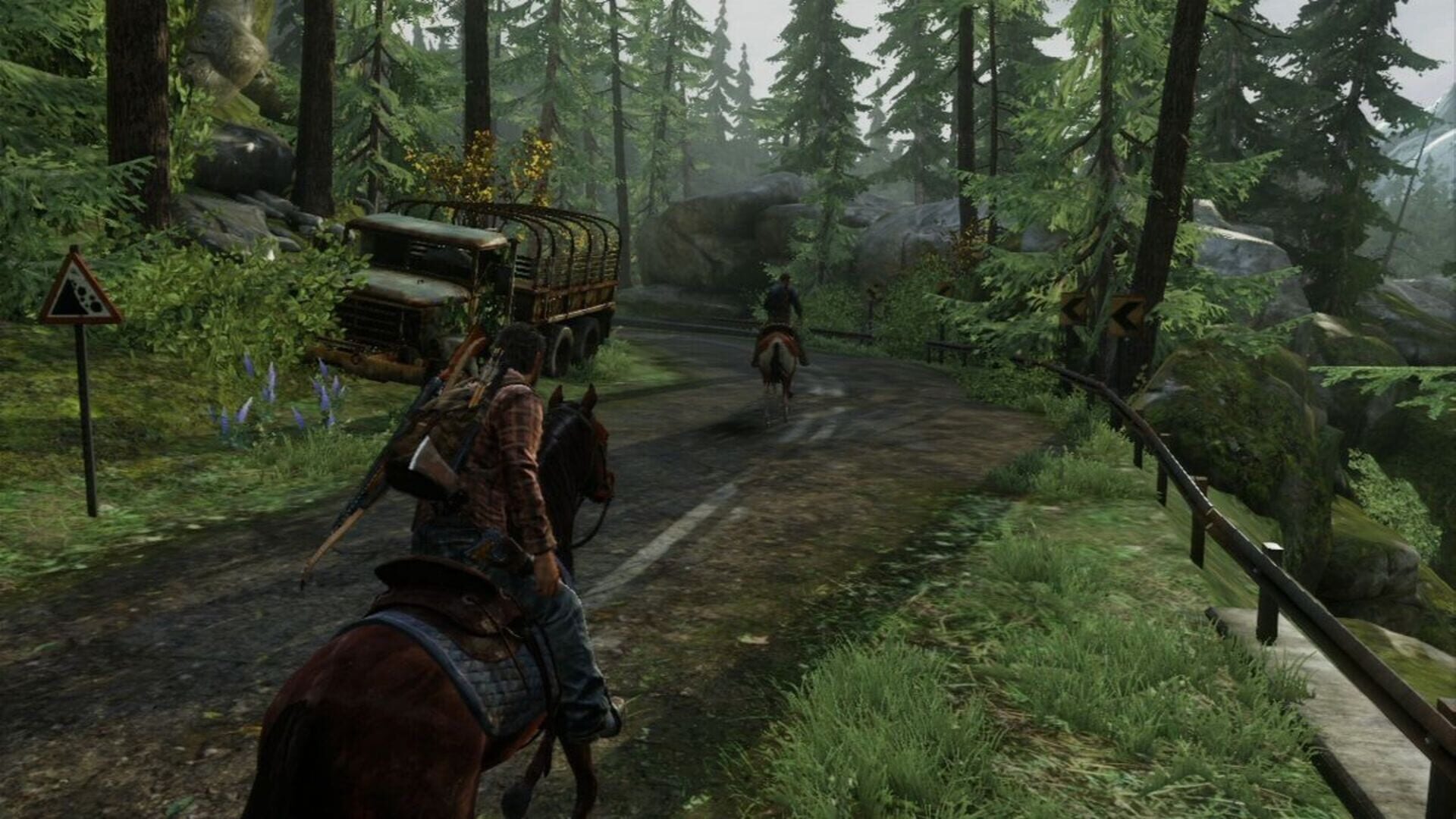
Praise comes from every corner for Naughty Dog’s new cinematic survival action game, The Last of Us. It’s being howled about as a masterpiece of a gaming generation and as an artistic achievement. Personally, I beg to differ; however, before I follow that road to its end, let’s just look at the usual review. Without spoiling any of the fun for you, The Last of Us follows what you’d expect from zombie fiction: a post-apocalyptic world, refugee camps, wandering bandits, complete governmental collapse, and desperate survivors doing what we expect them to do, survive. IGN’s review called it “a near-perfect analog for The Road, a literary masterpiece written by Cormac McCarthy,” and I’m not sure that could be a more fitting description. In a post-apocalyptic United States in 2033, some sort of fungi turning people into raging, violent, zombie-like creatures has infected humanity. Players take control of Joel, a middle-aged smuggler who must escort a young 14-year-old, Ellie, across the dangerous wasteland to a resistance group called the Fireflies. Of course, things don’t go according to plan, and the two of them must embark on an epic journey across the barren wasteland.
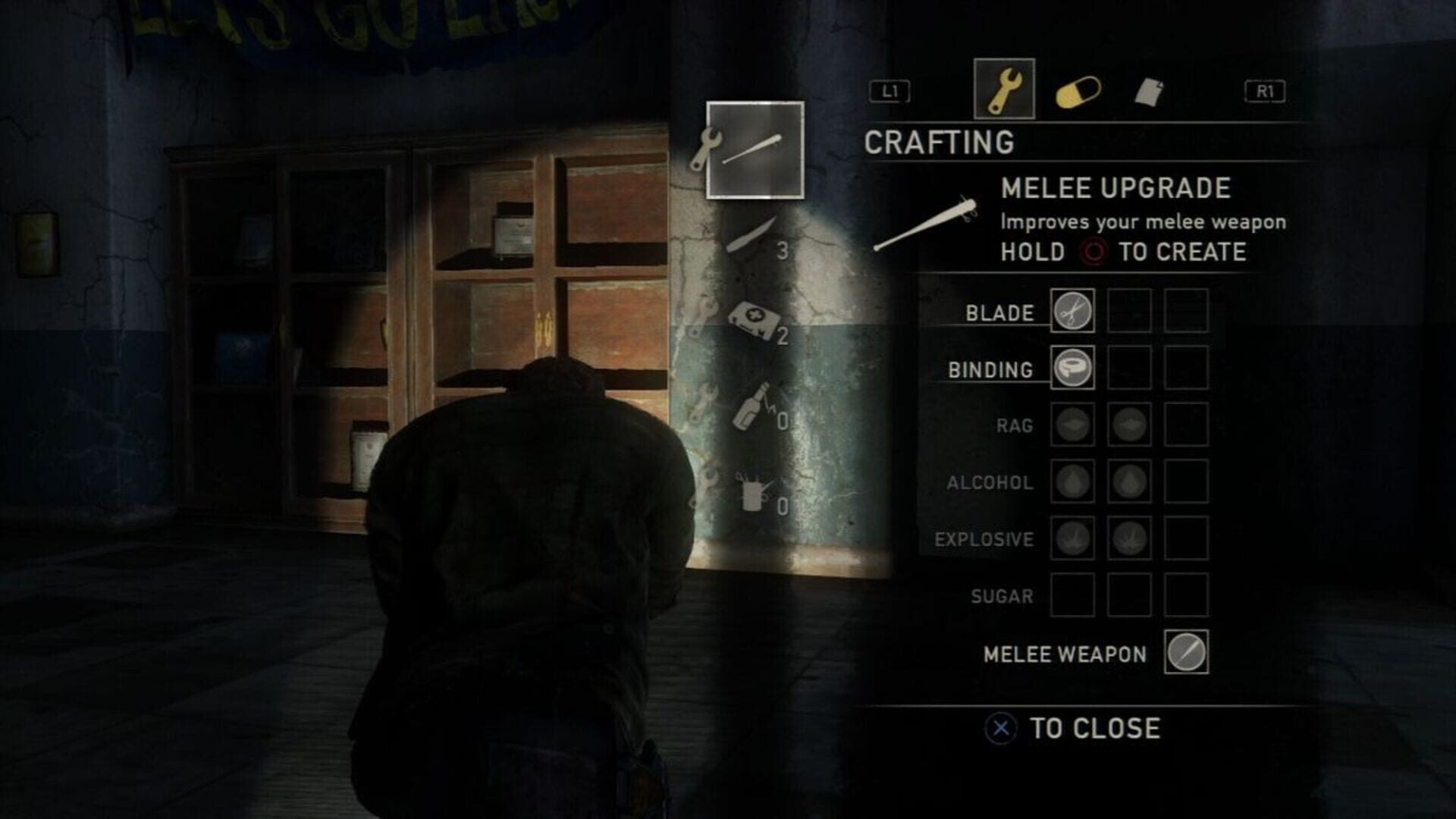
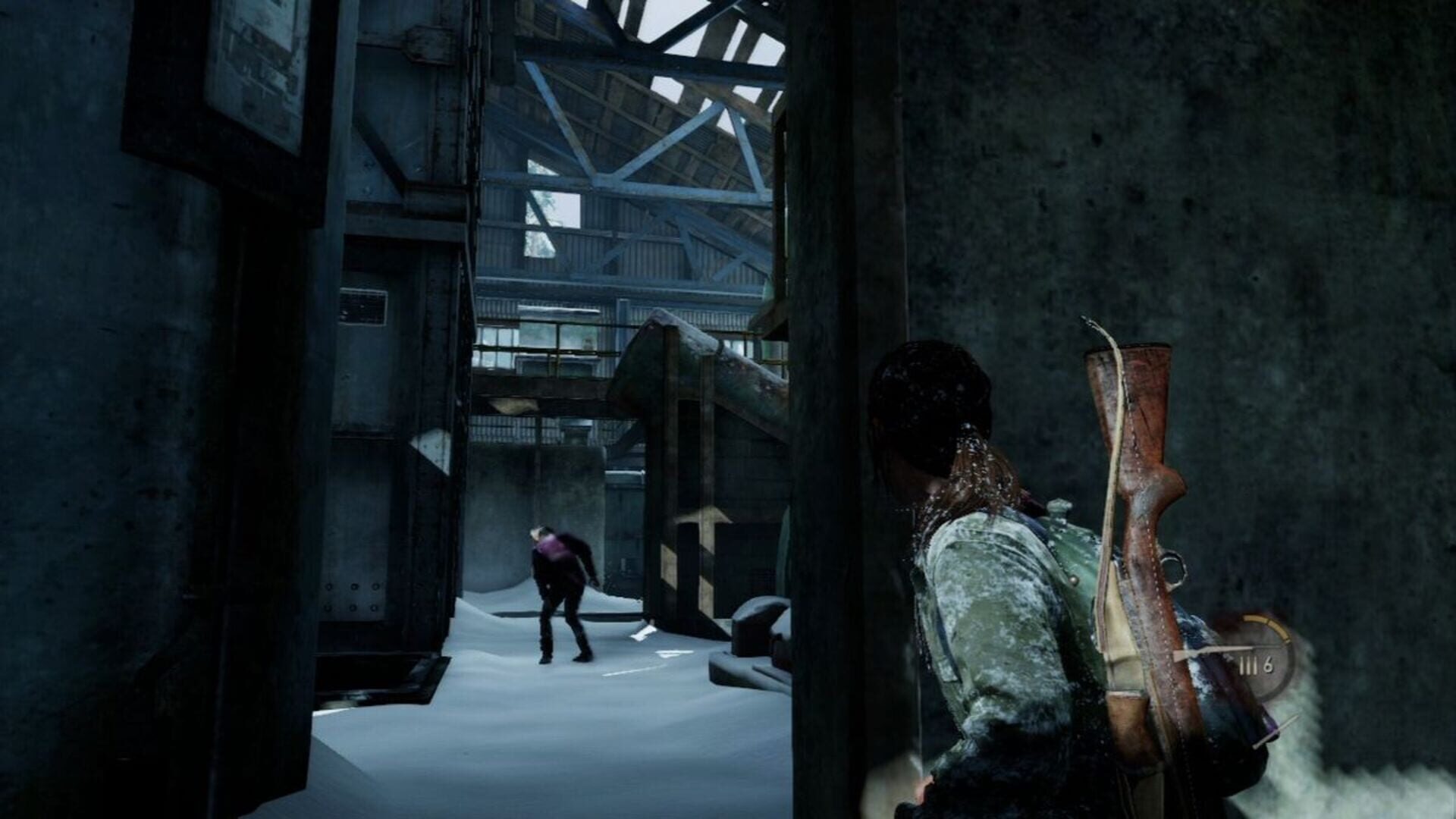
The narrative itself brings nothing new to the table. It borrows from Alfonso Cuaron’s adaptation of P.D. James’ Children of Men and Cormac McCarthy’s novel The Road, using them for much of the game’s inspiration. The game essentially uses the post-apocalyptic environment to force gamers to see the contrast of the human desire to forge connections with the will to survive. It also brings players a more intimate, human story, you know, like every other post-apocalyptic piece. So if this game brings nothing new to the table, why is it so critically acclaimed? Well, Naughty Dog managed to design a game that not only looks beautiful but plays beautifully too. They wove strong characters and slowed the pace down (in comparison to their Uncharted series) to bring gamers a more realistic experience with a more down-to-earth profile. In essence, they took what we expect from the zombie genre and did a damn good job of presenting it. Alongside Naughty Dog’s impressive storytelling abilities, the game design fits rather well with the narrative. With their new AI system, enemies react more realistically to player actions: they’ll drop to cover after spotting a player, call for backup if they find themselves overwhelmed, or use the player’s weaknesses to their advantage, such as low ammunition, or use their fellow AI to distract the player. Enemies are often ruthless and the combat seemingly unforgiving, and the chaotic, sloppy firefights often lead to almost savage conclusions. In many instances I cringed during some of the combat executions, but with the scarcity of ammunition and supplies, a small amount of carrying space, and numerous combat scenarios, The Last of Us never fails to create a unique experience in every encounter.
Now, Naughty Dog managed to create a stellar form of a cinematic blockbuster within the constraints of a linear, film-like video game experience. They got the graphical detail down in every aspect, put together a musical score that fit eerily well with the savage nature of the game, and all in all gave us one hell of a good story. I admit that it is one of the most well-designed games to date, but it fails to constitute an artistic achievement. The Last of Us, at most, is an example of a product perfected in a popular formula. It’s as Matt Sainsbury said in his review when he called the game “popcorn entertainment.” It may be acquiring seemingly unanimous praise, but that doesn’t make it a marvel in the industry. The Avengers received similar unanimous praise, but it’s definitely not considered to be on the same level as Citizen Kane. Unlike McCarthy’s or P.D. James’ works, The Last of Us doesn’t hold that deeper and mysterious meaning commonly associated with an artistic masterpiece. Each and any potential meaning in the game is spelled out for gamers within those blockbuster constraints. Like The Avengers, The Last of Us is a fun experience, not an intellectual one.
As gamers, our emotions, actions and decisions were guided along that linear platform without leaving any room for any other messages. The combat, crafting and stealth mechanics gave players that sense of freedom but were merely there to guide them down that one linear path. Sure, certain events will occur, locations will be seen, and details will be given to them, but a player cannot interact with them. Those events, locations and details are there because they should be, because they are expected to be. They’re not there to incorporate a subtle philosophy or broaden an overall message; they’re there to improve production value, nothing more and nothing less. The Last of Us merely borrows from the giants of zombie and post-apocalyptic fiction and formats it perfectly into a popular platform (aka video games).
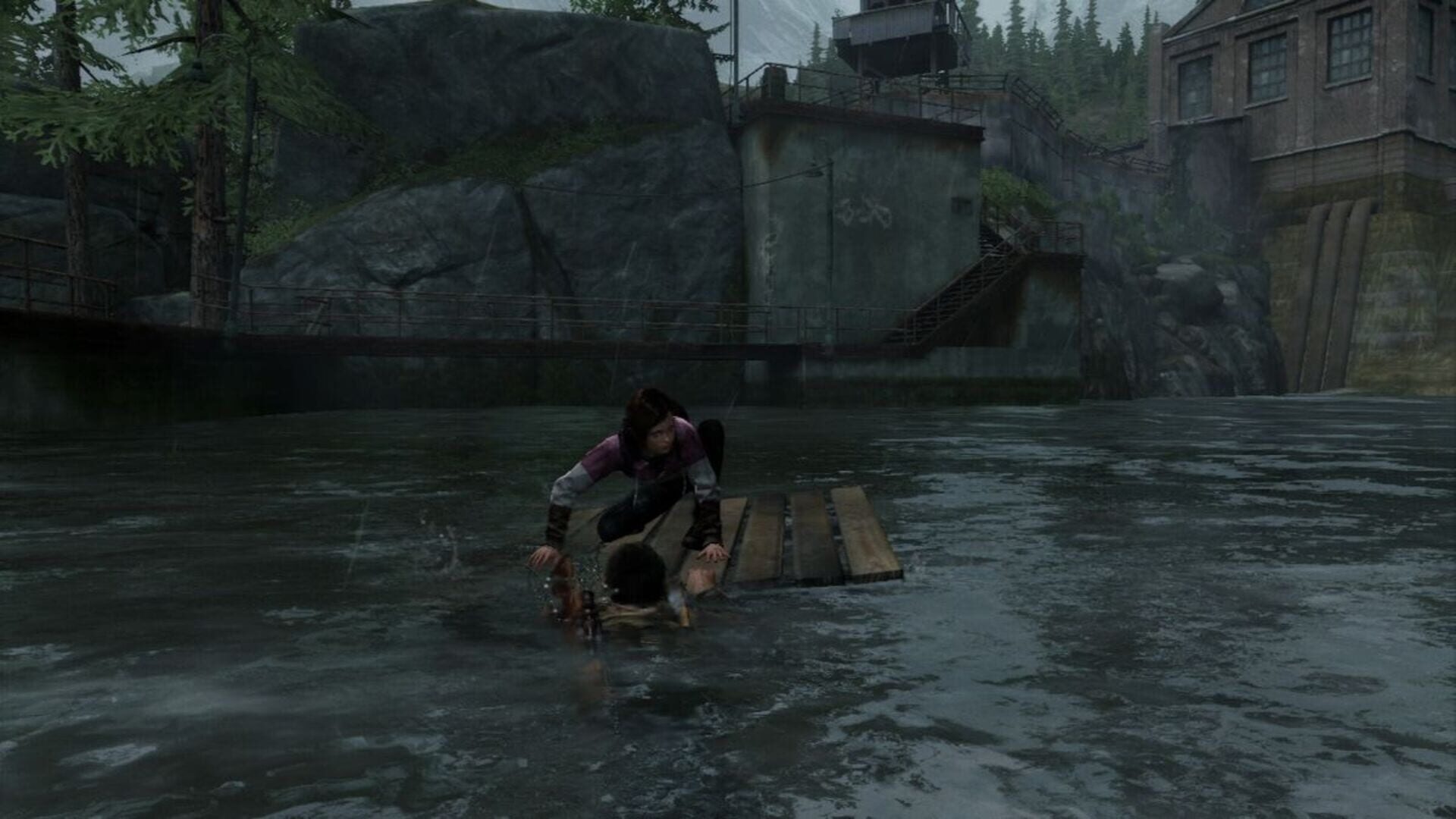
Needless to say, The Last of Us does manage to weave together the growth of two characters and pit them against dark and desperate odds extraordinarily well. The game may start off with an overly familiar setting, but it does manage to end on a surprisingly shocking note. In between some challenging and savage combat, the world Joel and Ellie inhabit is riddled with artistic ingenuity and impressive realism. Naughty Dog did an excellent job of creating a strong, story-driven experience, but they failed to challenge our morality or raise any underlying social, economic or political issues with their design. In the end, it’s a damn good game with a damn good story made by some pretty damn good developers, but it’s certainly no Citizen Kane. I highly recommend it to any gamer.
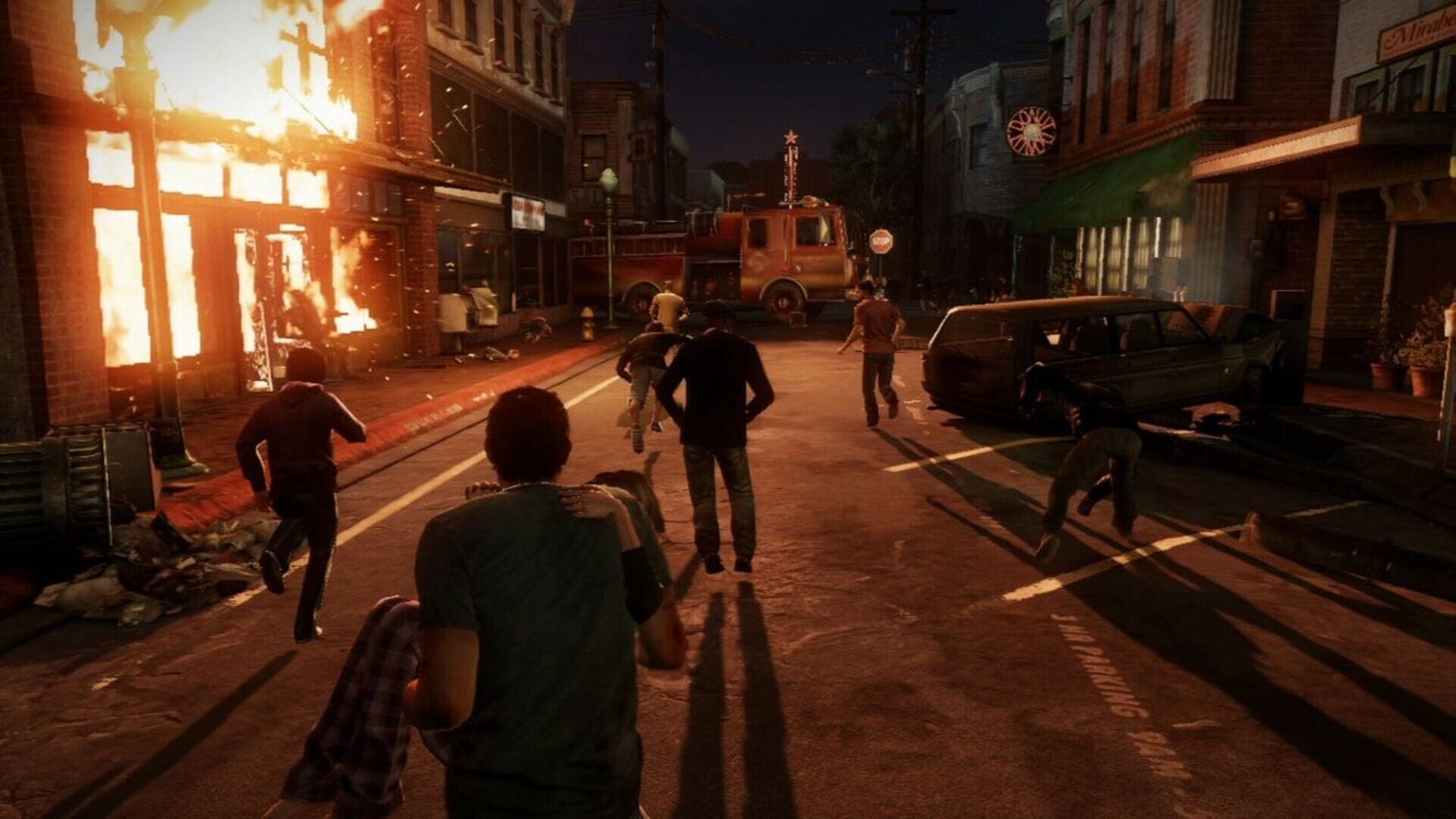
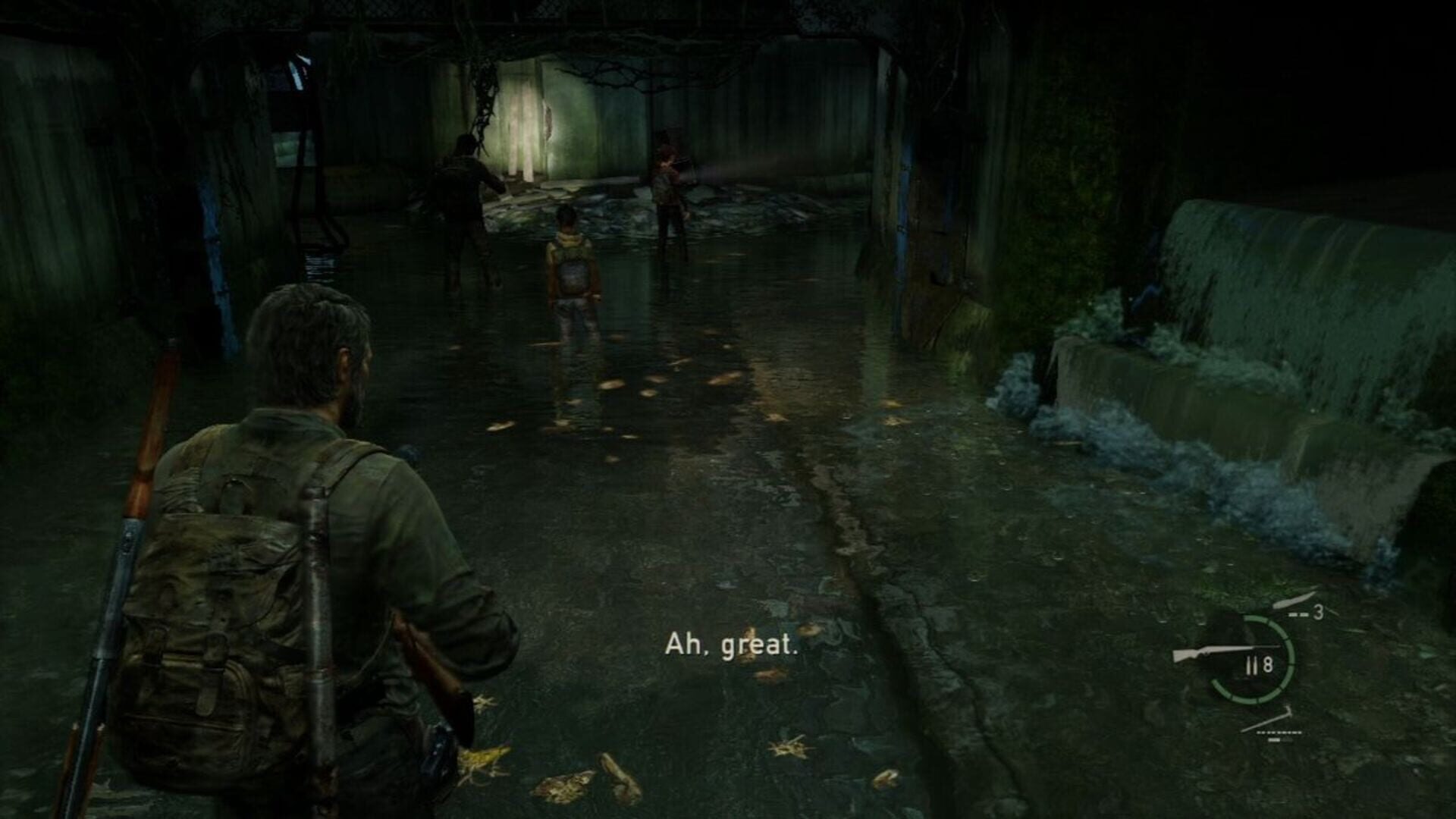
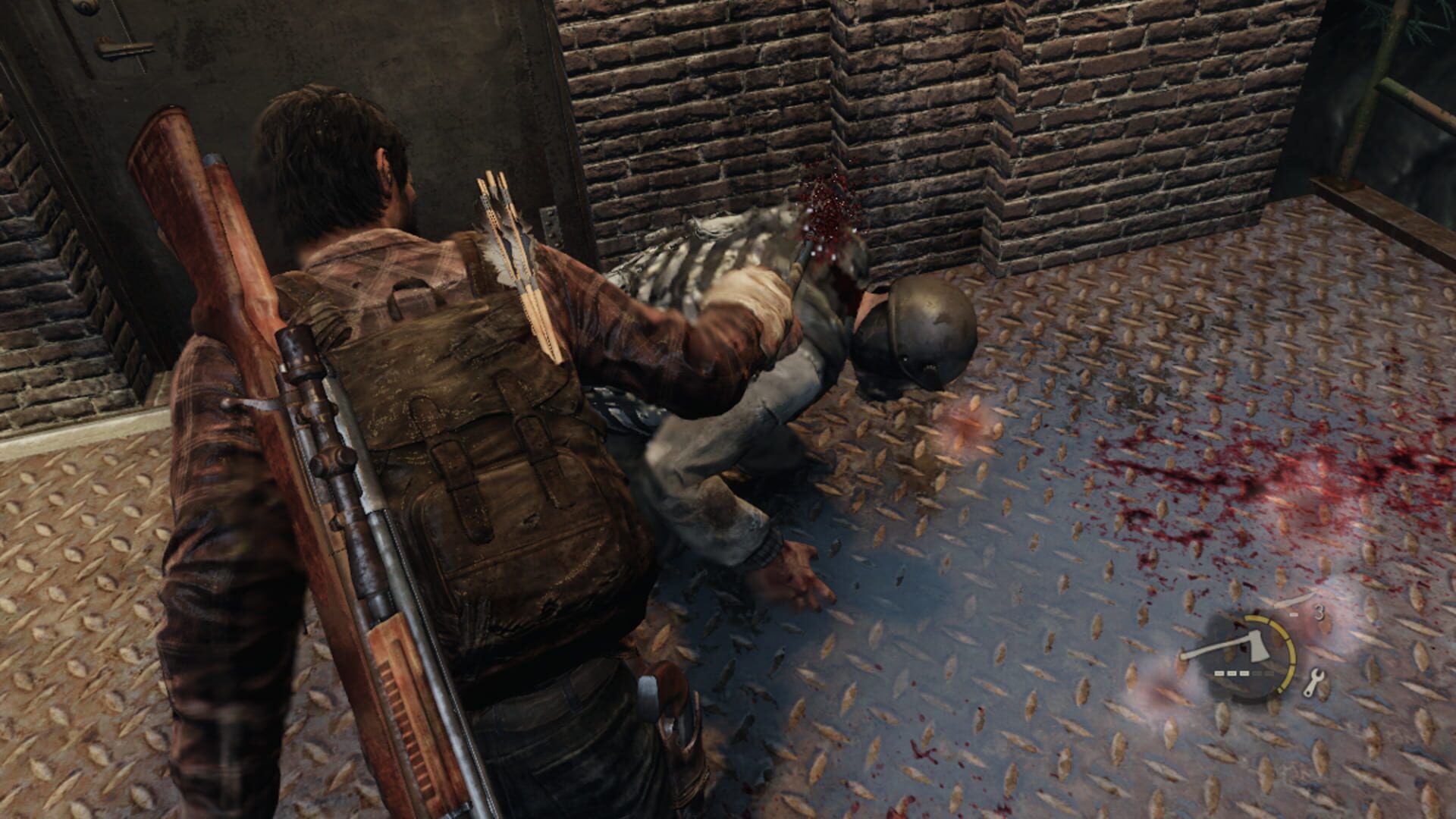
A beautifully made, savagely tense and superbly told survival journey, and one of the best-designed games of its time. This contrarian take argues it's brilliant popcorn rather than the artistic masterpiece the hype claims, but recommends it to any gamer all the same.
A PlayStation 3 and the disc.
Remastered on PS4, and remade as 'The Last of Us Part I' for PS5 and PC.
| Platform | PlayStation 3 |
| Released | 2013 |
| Developer | Naughty Dog |
| Publisher | Sony |
| Genre | Action |
| Reviewed | June 18, 2013 |