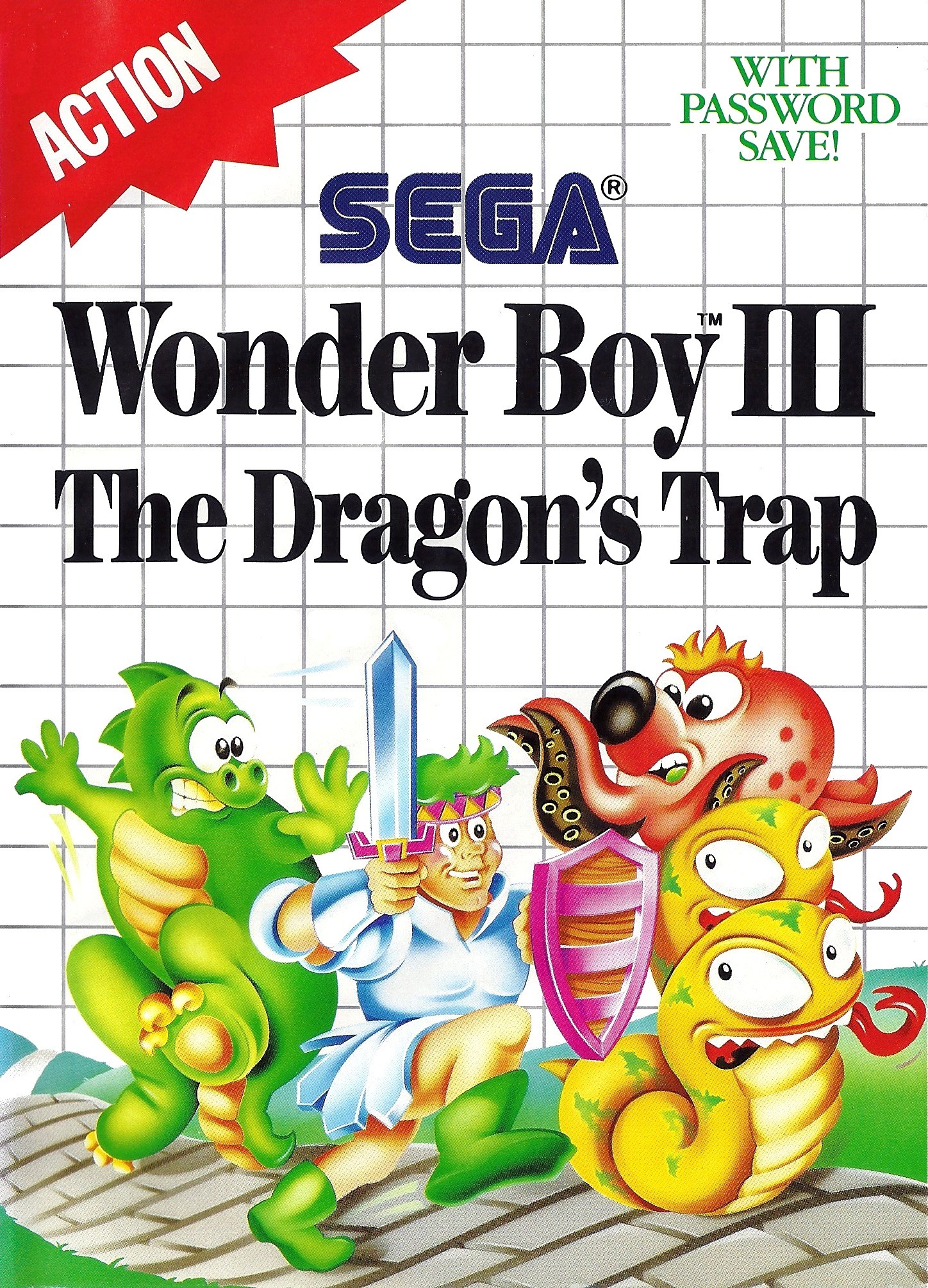
Wonder Boy III: The Dragon’s Trap
If you want to talk about games that were way ahead of their time, Wonder Boy III: The Dragon’s Trap sits at the top of the list. This is a foundational Metroidvania before that term even existed, delivering an open-world platforming experience in 1989 that plays a lot like the later Castlevania titles on the GBA and DS. You start the game by fighting a dragon, get cursed, and turn into a lizard-man. From there, you explore the world, defeat other dragons, and transform into different animal forms to reach new areas. It is an incredibly ambitious design for an 8-bit cartridge, and for the most part, it nails it.
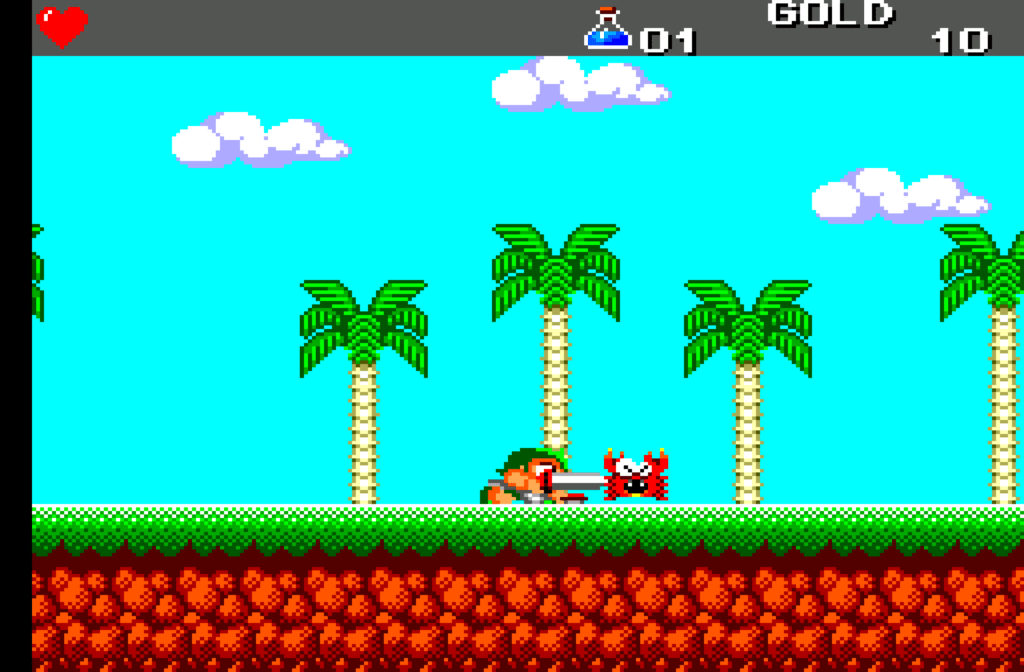
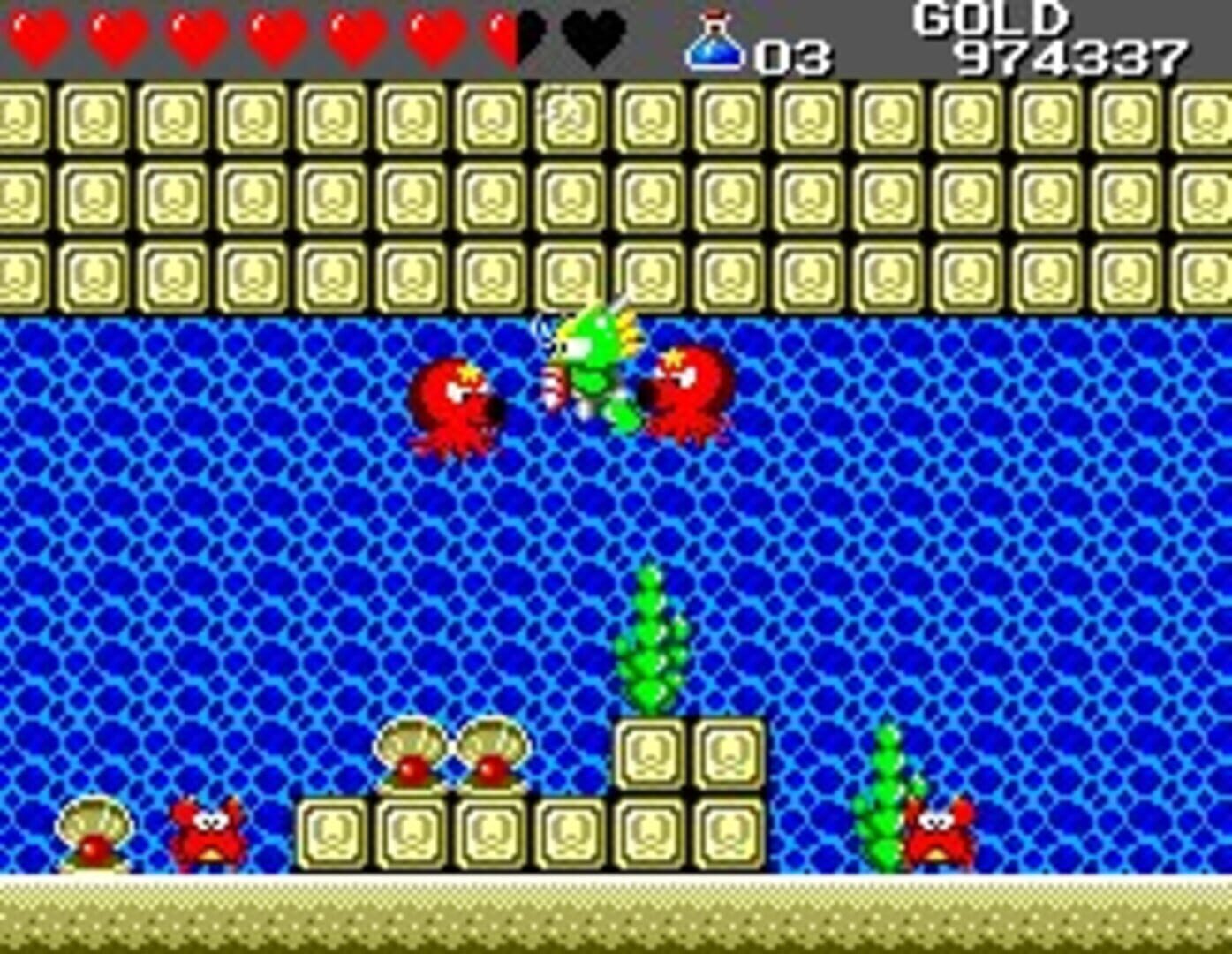
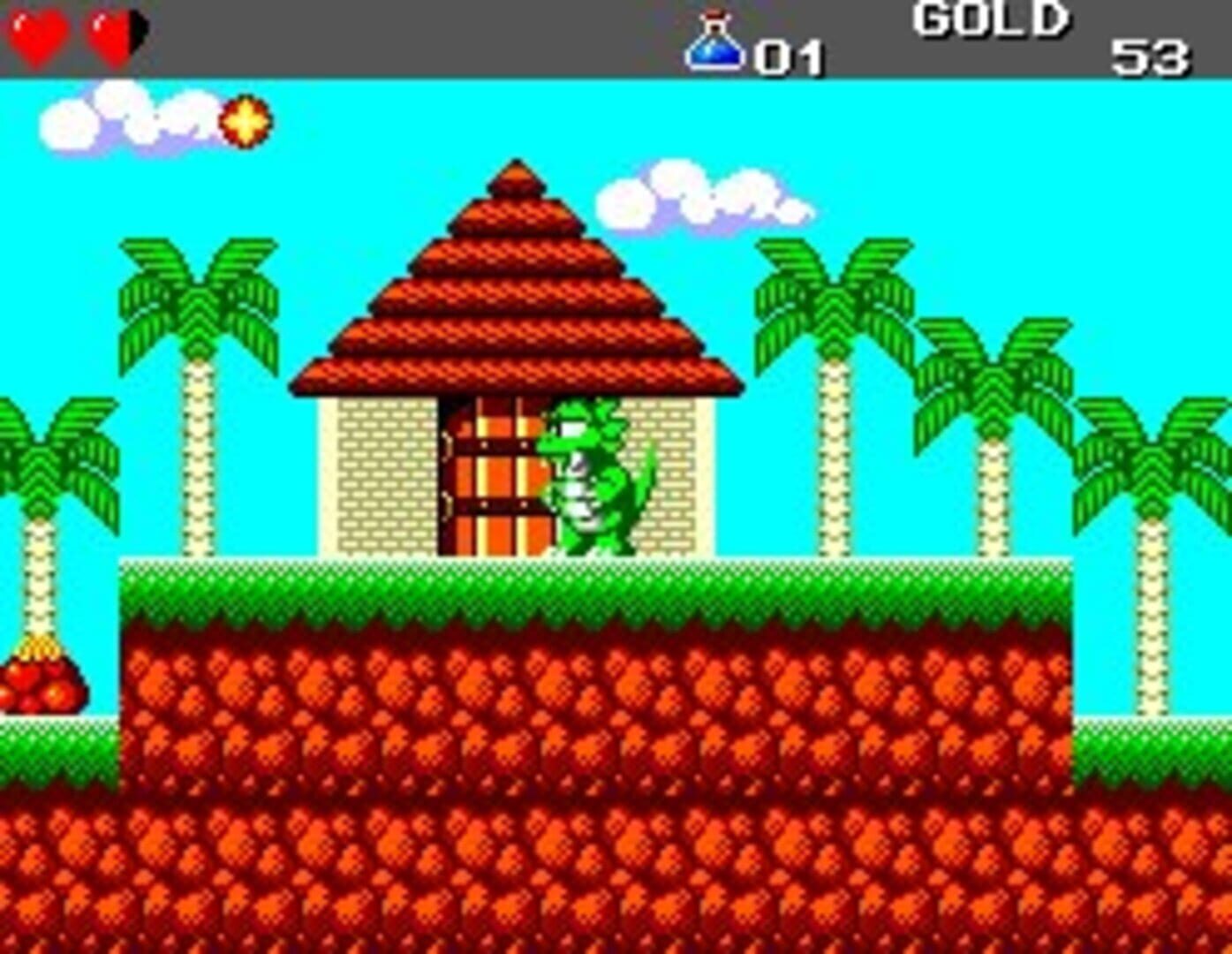
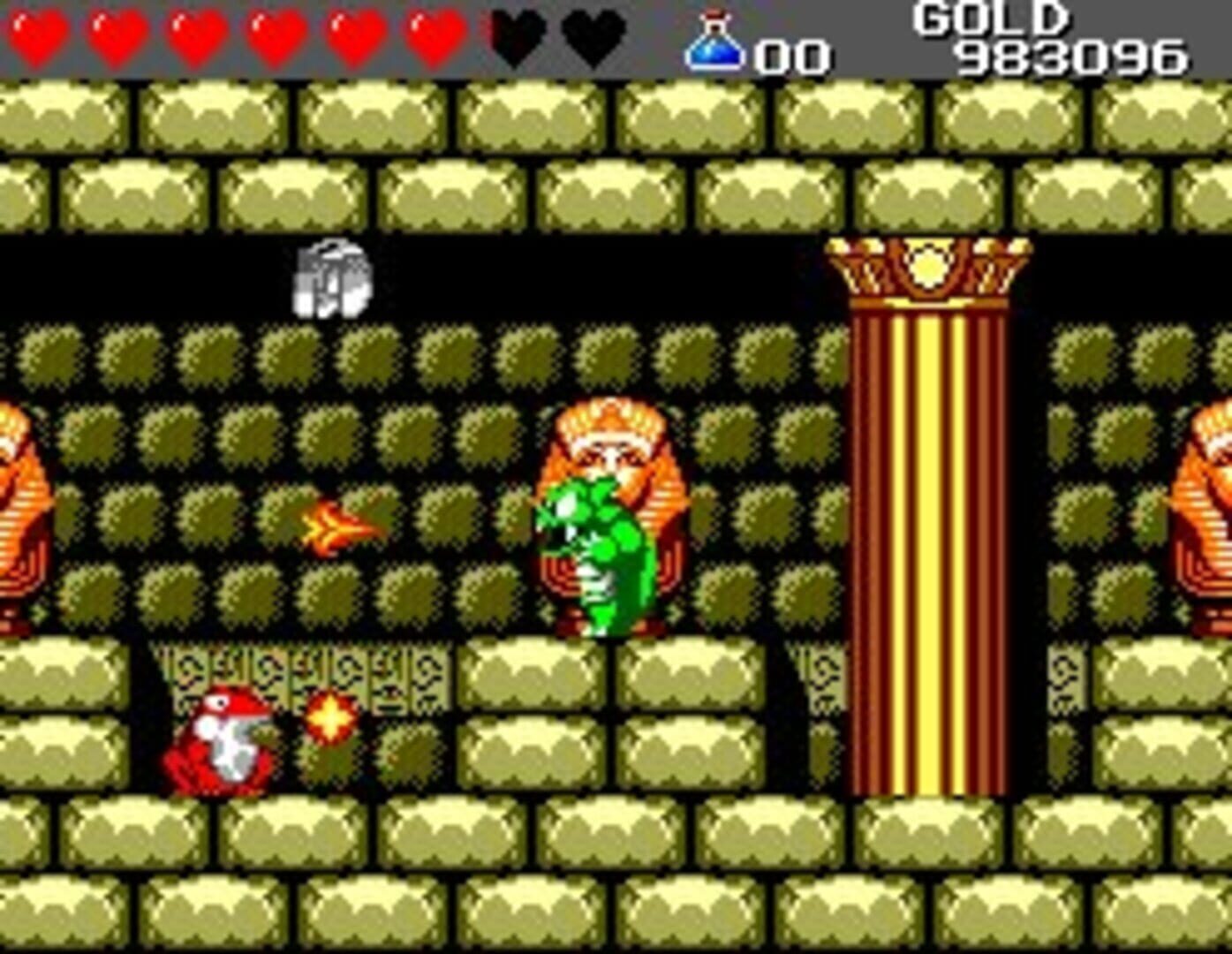
The animal transformations are the star of the show. My personal favorite is Lizard-Man. He is one of the earliest forms, but his ability to crouch makes him invaluable for dealing with annoying enemies like the crabs. The platforming is very reminiscent of Mario, a bit tougher maybe, and remarkably fair. There is no late-80s Sega jank here, just solid mechanics. The open-world structure is genuinely impressive for the era, but it can also be disorienting. It is not something you expect from a 1989 platformer, and I found myself running through the same area three or four times trying to figure out where I had gone wrong.
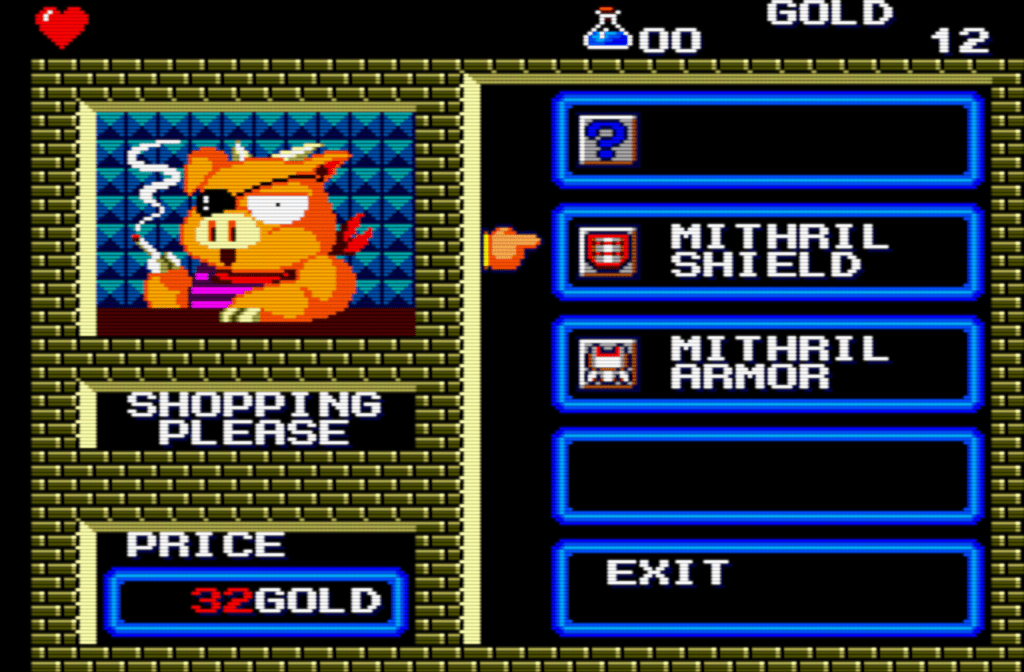
A note on hardware: I played this on both emulation and original SMS hardware, and the original is noticeably easier. Emulation introduces just enough input lag to make precise jumps frustrating. If you want the responsive, authentic experience, a CRT and real hardware is the way to go.
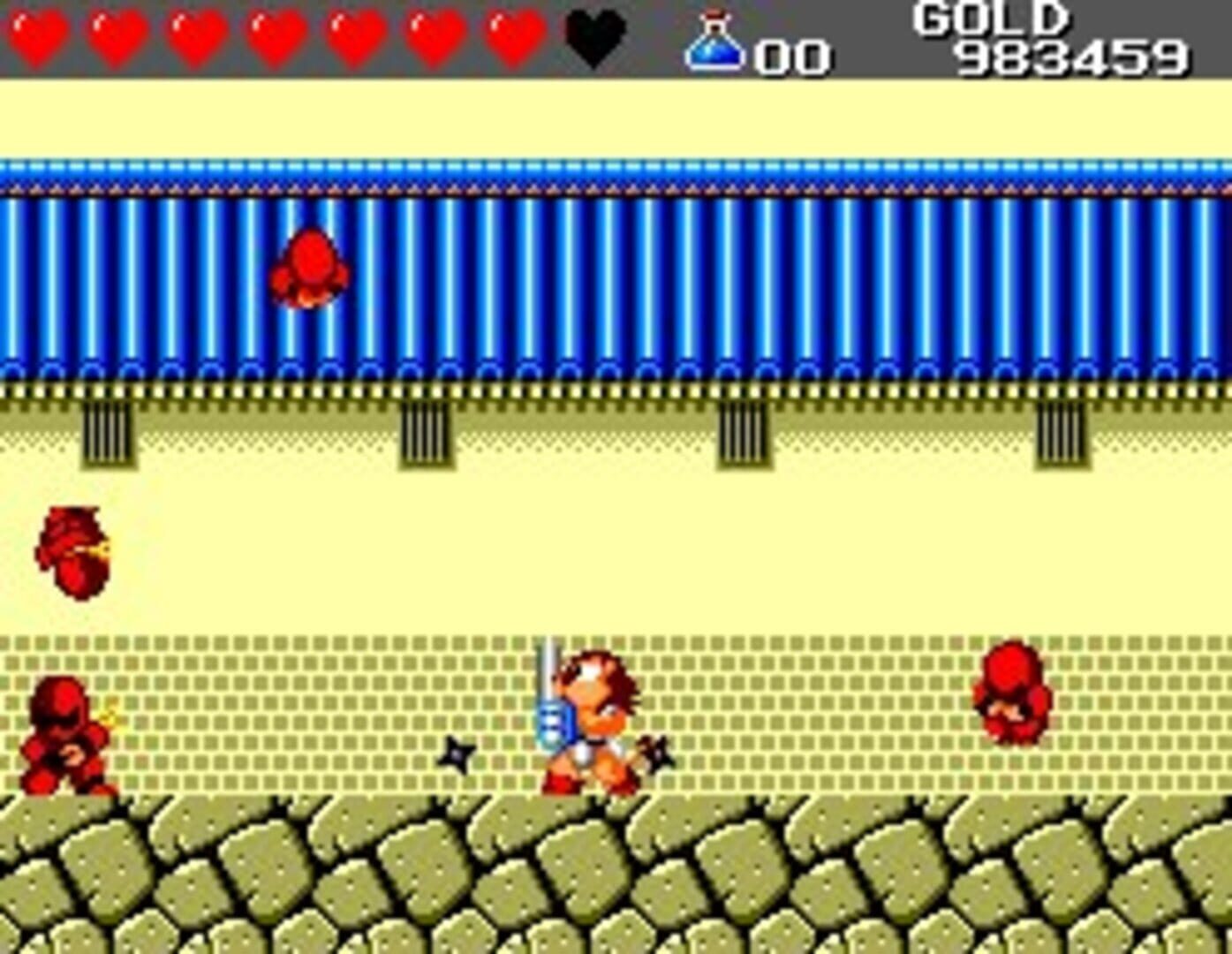
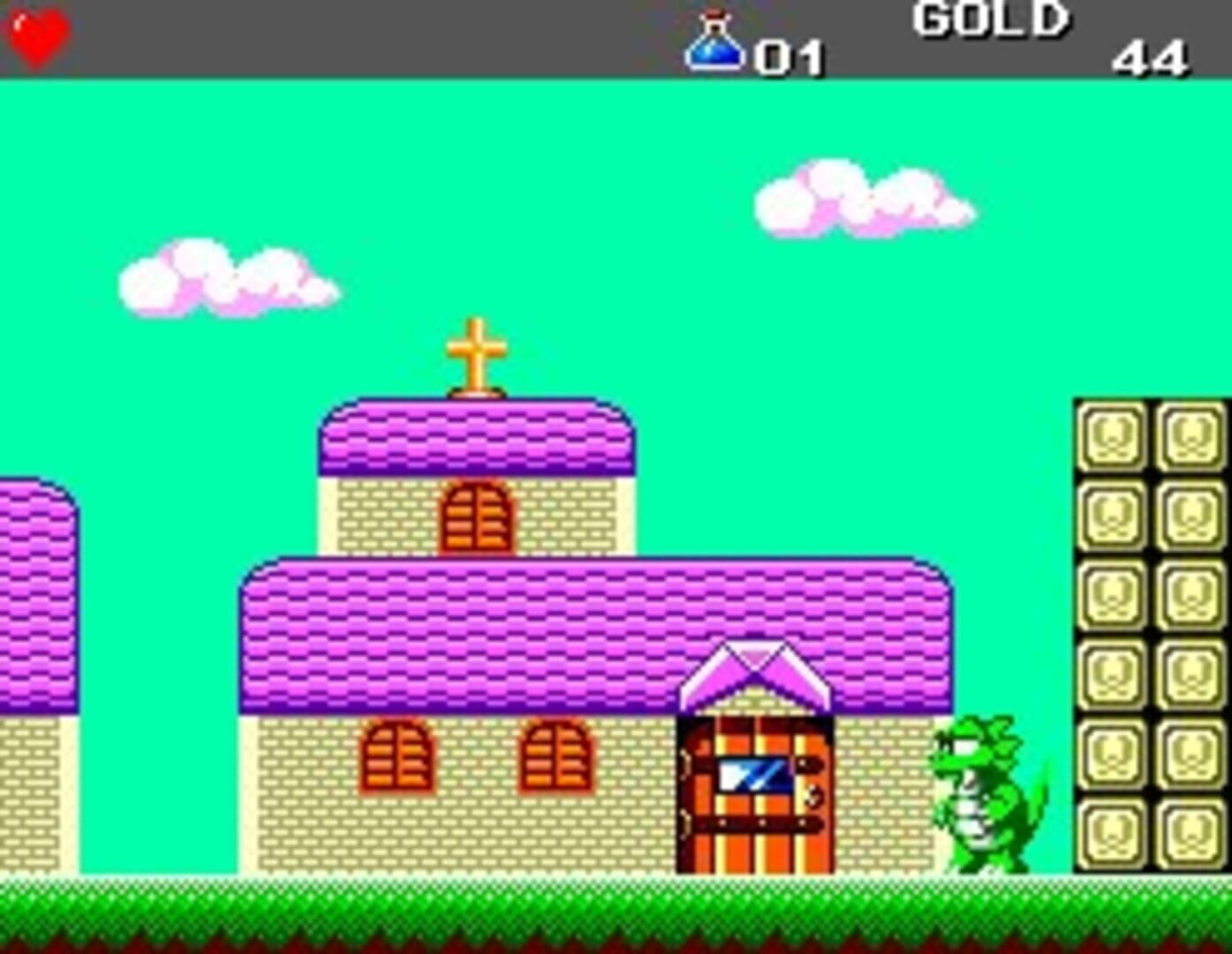
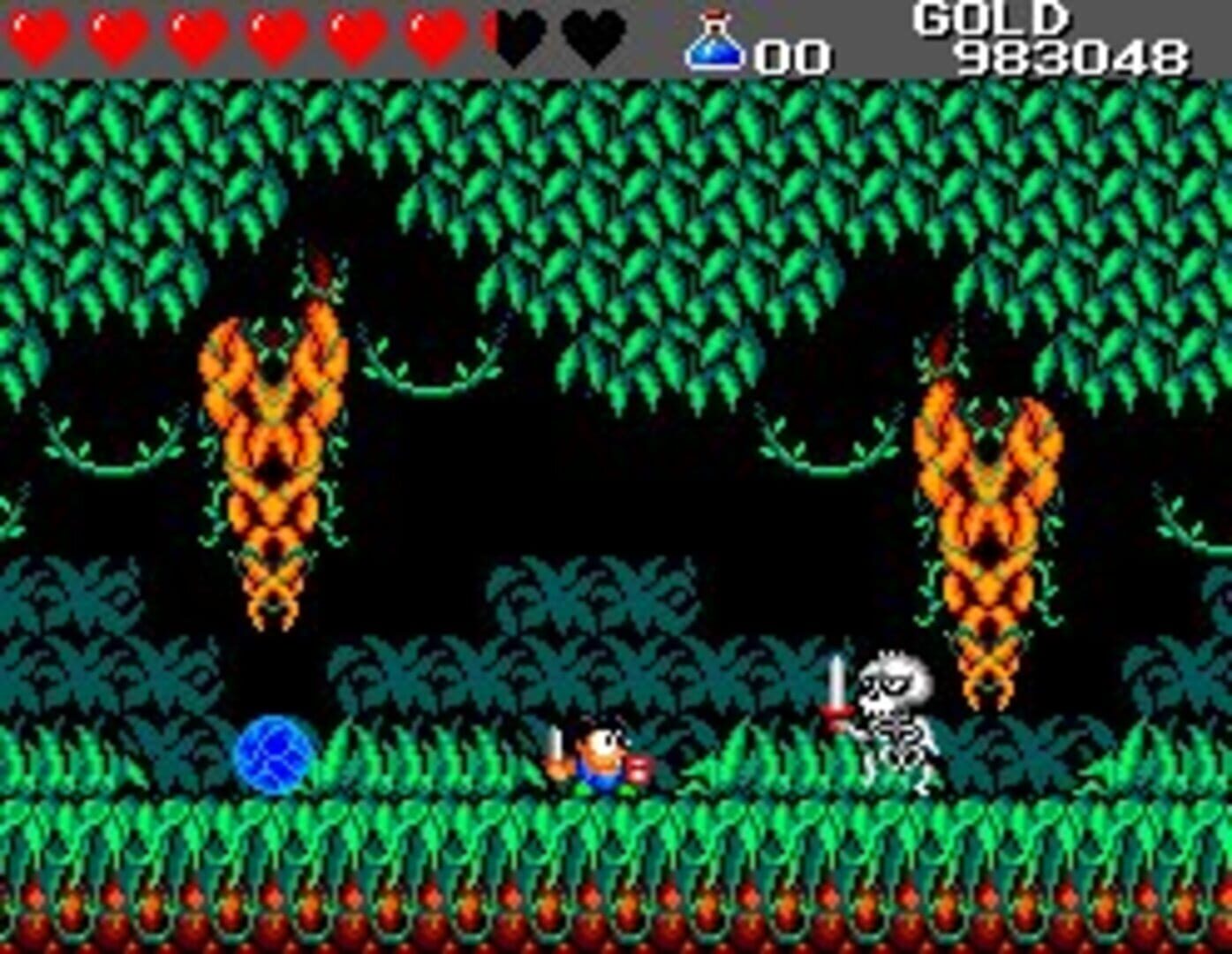
Graphically, this game is a powerhouse. The colors pop and show off the SMS’s superior palette in a way that embarrasses a lot of its contemporaries. The sprites are a bit blocky at times, which is expected for the era, but the overall quality for 1989 is outstanding. Character designs are charming, and each animal form has a distinct, readable silhouette. The music holds up just as well: catchy, adventurous, and never grating during long play sessions.
Now, the password system. It is a pain, but it was also a necessity. Starting a game over from scratch because of no save feature was the real nightmare, so having codes at all was a lifeline. I used to write them down in the back of the manual. My handwriting has always been bad, so it could take four or five attempts to decipher what I had actually written. Is that a B or an 8? It was a roll of the dice every time I booted up the system. Annoying by modern standards. Completely par for the course in 1989.
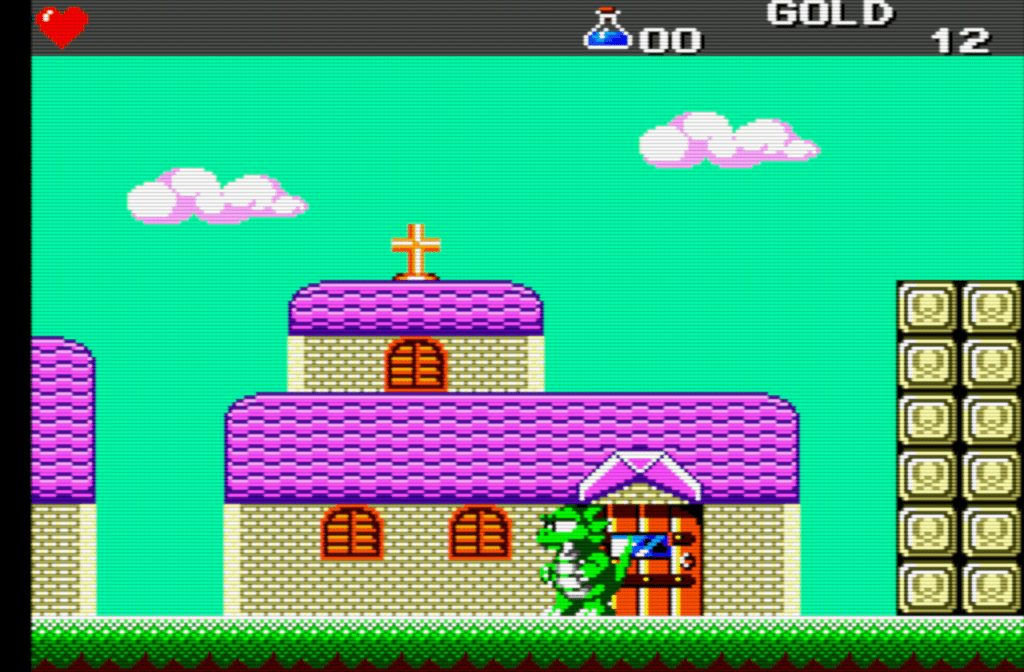
I played this quite a bit when it first came out but never beat it. Coming back to it now, it is undeniably a classic. It earns every bit of a 4.5. It laid the groundwork for an entire genre and remains one of the best games in the SMS library.
Wonder Boy III was way ahead of its time, delivering a true Metroidvania experience in 1989 that rivals later Castlevania titles. The password system is a chore and the sprites are a bit blocky, but the brilliant animal transformations and vibrant colors make it an essential SMS classic.
| Platform | Game Gear · Sega Master System |
| Released | 1989 |
| Developer | Westone Bit Entertainment |
| Publisher | Sega |
| Genre | Action, Metroidvania, Platformer |
| Reviewed | April 16, 2026 |