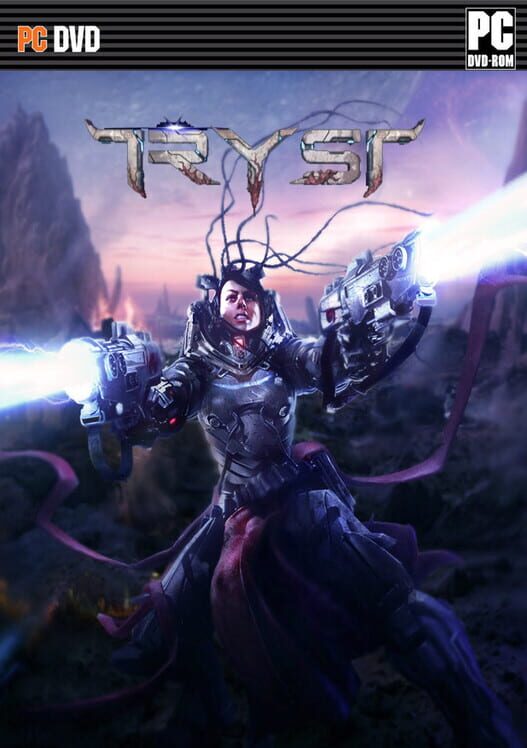
Tryst
The Real Time Strategy genre can trace its history back to the days of Warcraft: Orcs and Humans, Age of Empires, and who can forget the age of StarCraft? But apart from graphics, different eras, and alterations in interface, there are few games that truly break out of the standard RTS mold. That is where indie developer BlueGiant Interactive steps in. Tryst was built with the intention to be a “competitive Real Time Strategy Game with fast-paced gameplay” that is custom-tailored to the gamer. The big question: were they successful?
One may be reluctant to play Tryst when they realize there are only two playable factions, Humans and Zali (aliens). However, Tryst is far more than just picking a single race and its corresponding strategy. Tryst’s signature gameplay comes from its similarity to many modern RPGs: the ability to customize unit abilities on the battlefield. This customization is also dynamic, so players can adjust their strategy to counter their opponent’s. If the opponent does not react accordingly, it could spell disaster.
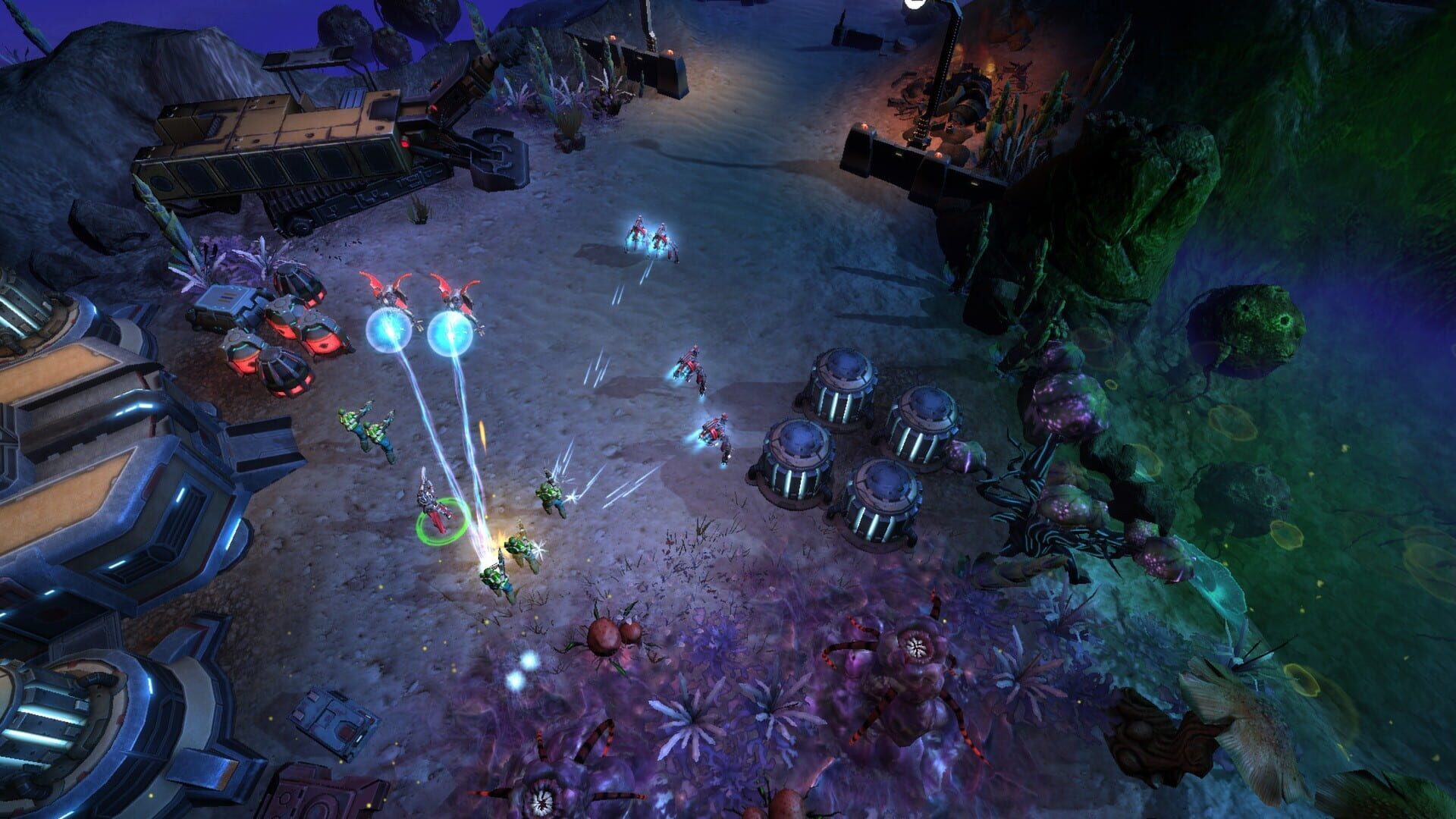
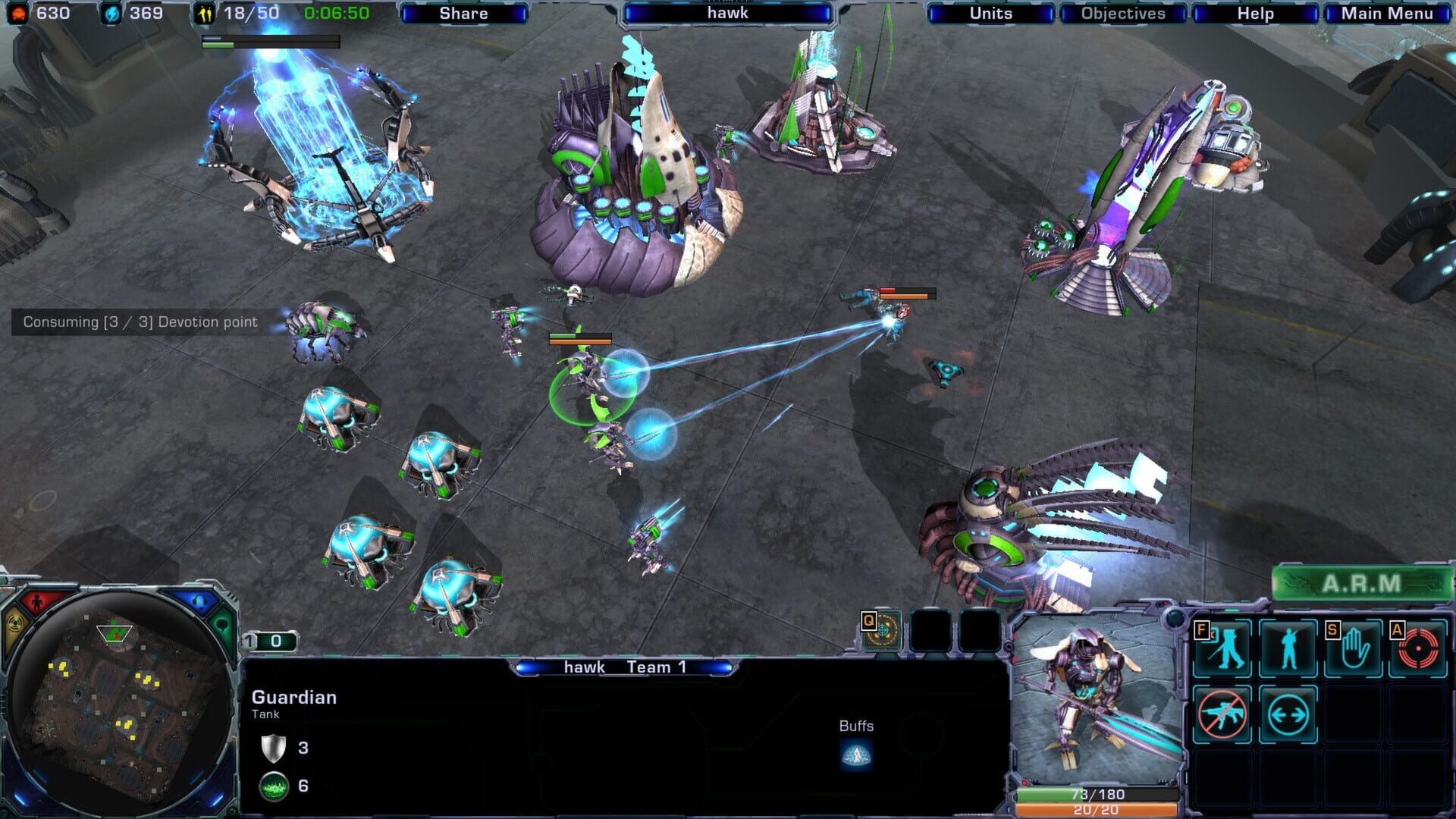
Take the Zali Pudge, for instance. By default, it is an artillery cannon used to rain down poisonous green gas on enemies. With a slight modification, it becomes a mechanism to throw your own units over enemy defenses and wreak havoc on their base. Each unit has a variety of different abilities and upgrades that can aid in building your specific strategy. Zali units are especially specialized due to the fact that they are only allowed to build three unit-specific buildings or building upgrades.
That said, the uniqueness of Tryst can also be a detriment. The emphasis on customizing unit abilities appears to have compromised the number of different units available. For RTS players who spam the same unit the entire game, this is a non-issue. However, it can be a drawback for those who favor a more diverse array of units working together. The Zali are particularly subject to this.
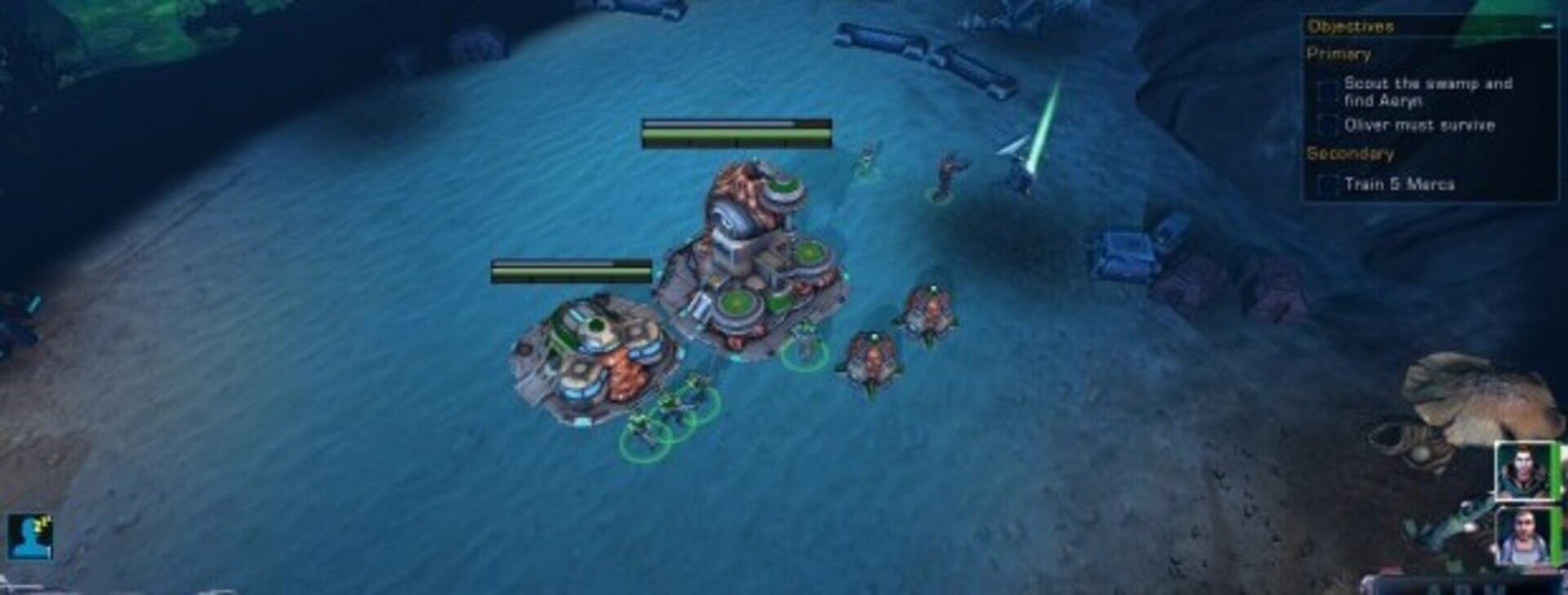
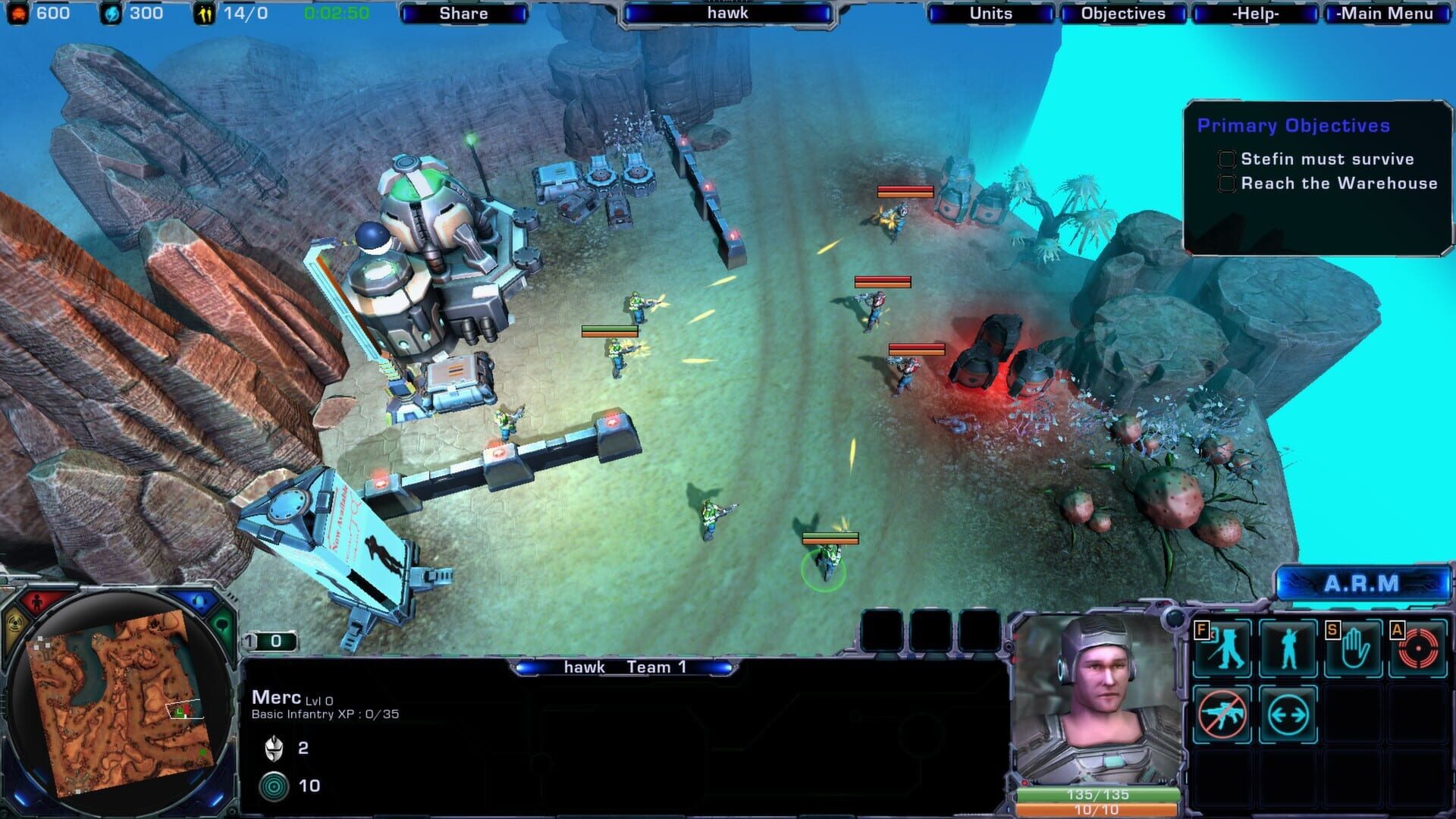
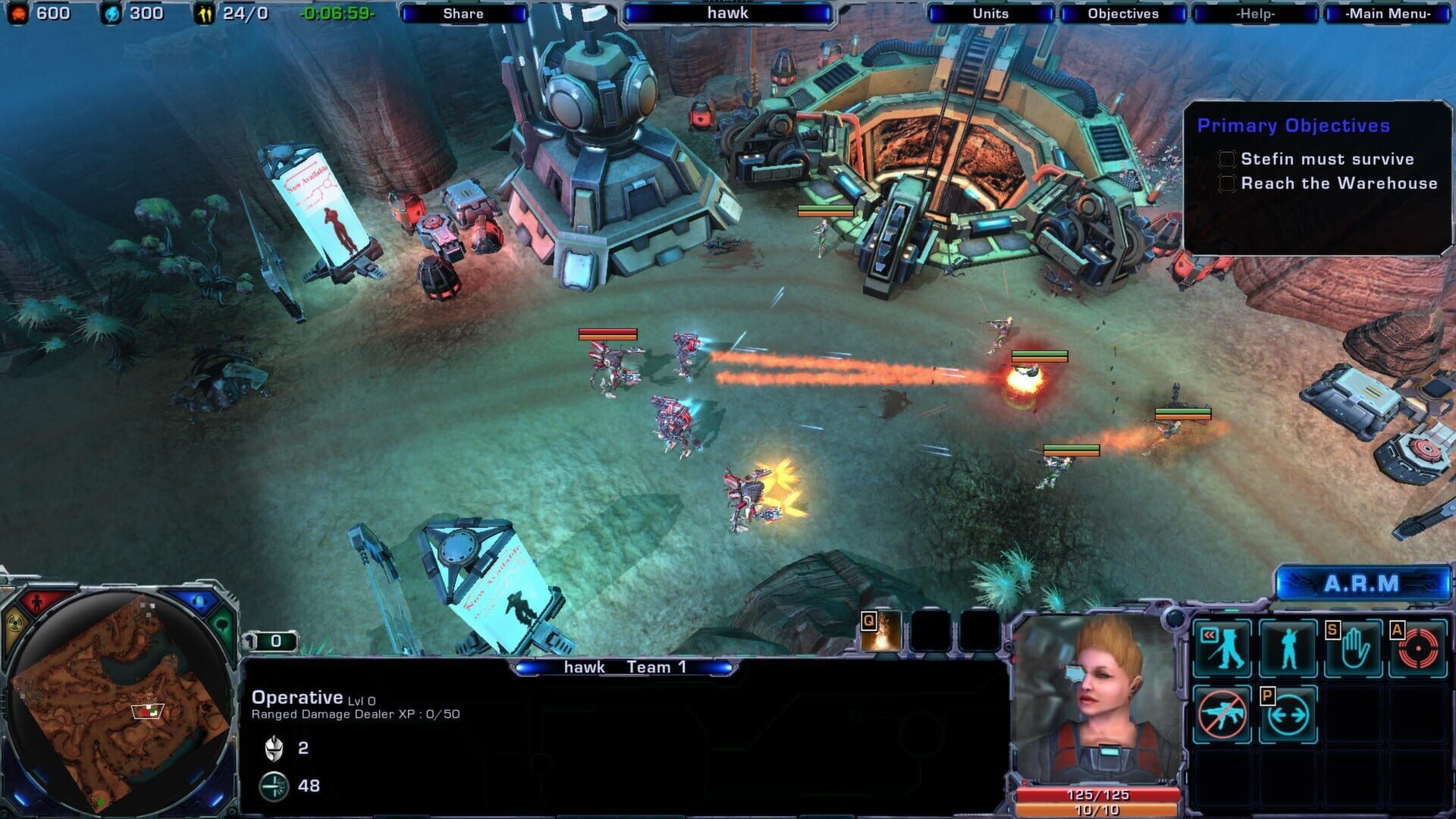
One area Tryst seems to have completely conquered is the UI. While it may appear bulky at times, the StarCraft-like interface is by far the most logical and easy-to-use UI I have personally seen in an indie RTS. If you have played StarCraft 2, you should know exactly where all the buttons are and approximately what they look like. The similarities are unavoidable. This theme continues into the look and feel of the units and structures, as most 3D objects appear to be heavily influenced by StarCraft 2 with a little Dawn of War thrown in. That said, for an indie game, Tryst can certainly boast a level of graphics comparable to many other large RTS titles.
As with many indie games, Tryst has a difficult time perfecting dialogue and sounds of destruction. Many sound effects such as guns or lasers appear to be identical or nearly indistinguishable. Voice-overs can sound awkward or even a little crass at times, though they are nowhere near the worst offenders in big-budget titles. Where the voices and sound effects falter, the soundtrack breaks through like the sun. The only possible complaint about the in-game music is that there are short periods of silence.
For all the beauty and sound of the game, there are areas where Tryst lacks the smooth polish most RTS players are familiar with. Population cap management is a constant battle, requiring continuous construction of storage units to keep up with demand. This is especially cumbersome with the Zali. Units also appear passive at times, not reacting automatically when an enemy attacks a building right next to them, or advancing on a nearby enemy. It also appears to be impossible to save a skirmish game. There are improvements worth noting: multi-owner resource extractors add something, and environmental effects create an interesting dynamic around capturing and protecting resources. The developer appeared responsive to community feedback at launch, though patch activity has long since stopped.
For those who want to play against the computer in a storyline, there is a campaign built for you. If there were one word to describe it, it would be “interactive.” Missions involve constant decision-making: which units do I save? Which objective do I capture? The outcomes of these choices come with distinct advantages and disadvantages that influence mission difficulty. Ambushes and surprise attacks keep you on your toes, especially when you think you have a mission figured out. Save often, or you may find yourself starting the entire mission over.
While Tryst may not blow the RTS genre away, it offers several new and entertaining features for those bored with the same old formula. A refreshing change of pace with a genuinely clever idea at its center, held back by passive AI, thin unit rosters, and rough edges the developer never fully patched out.
| Platform | PC |
| Released | 2012 |
| Developer | BlueGiant Interactive |
| Publisher | BlueGiant Interactive |
| Genre | Real-Time Strategy, Strategy |
| Reviewed | October 1, 2012 |