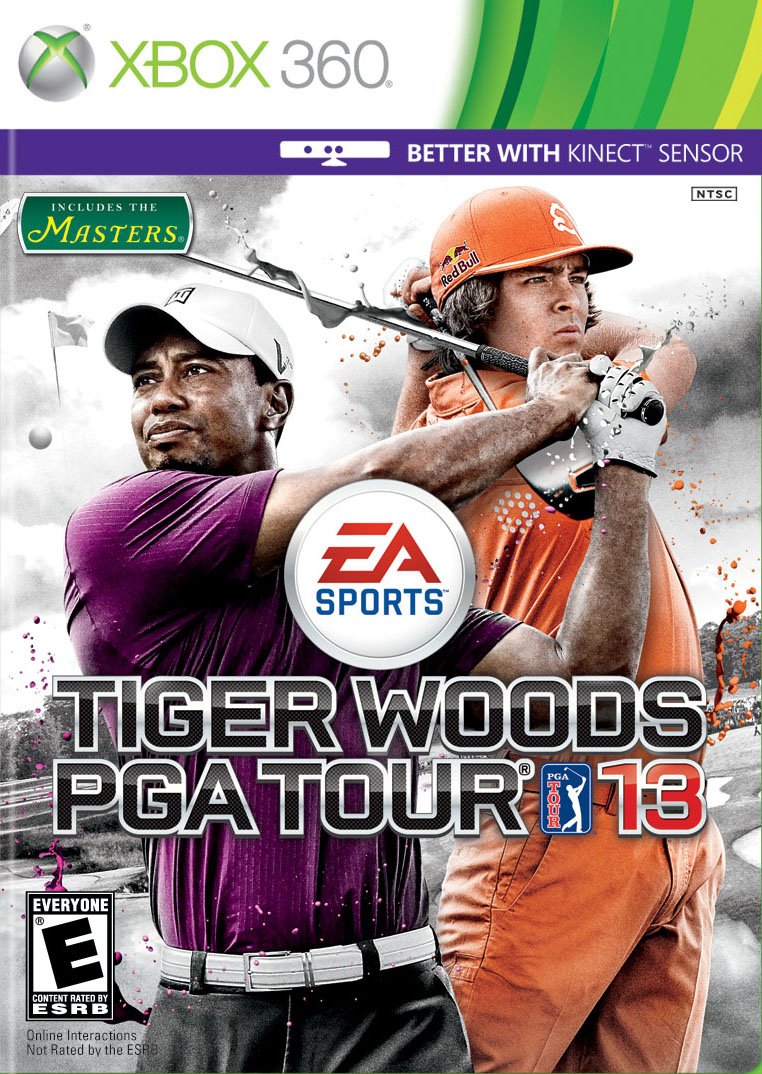
Tiger Woods PGA Tour 13
Tiger Woods had a rough 2011. Injuries, ranking free-fall, tabloid noise, and the kind of public image collapse that makes marketing departments nervous. EA responded by quietly shrinking his name on the box and hoping players would show up anyway for the course design. They did. Now Tiger is clawing his way back on the leaderboard, EA’s confidence is restored, and he is back on the cover for 2013, this time sharing space with Rory McIlroy. Whether that is a vote of confidence in Tiger or a hedge against another scandal, the effect is the same: two golfers on one box, zero asterisks.
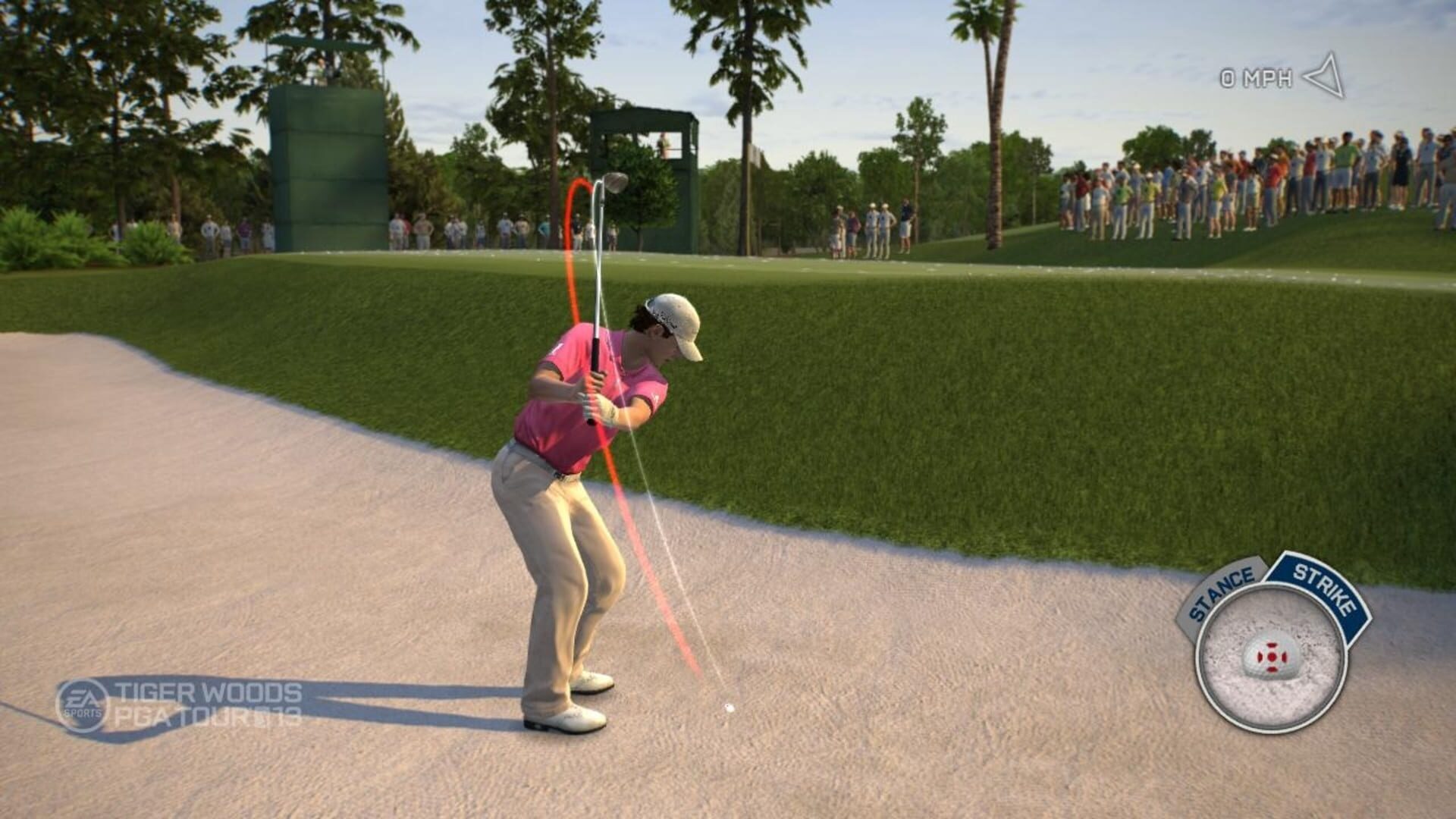
The story of Tiger Woods PGA Tour 13 is really the story of one change: Total Swing Control. In previous years, stringing together a competitive round was rarely a problem. The swing system was forgiving enough that skill gaps closed quickly and you were competing at the top of the leaderboard within a handful of tournaments. That’s over. Total Swing Control hands you complete responsibility for how the club meets the ball: the path of your backswing, the pace of your downswing, the moment of contact. Get any of it wrong and you will know immediately, and repeatedly, and across multiple tournaments.
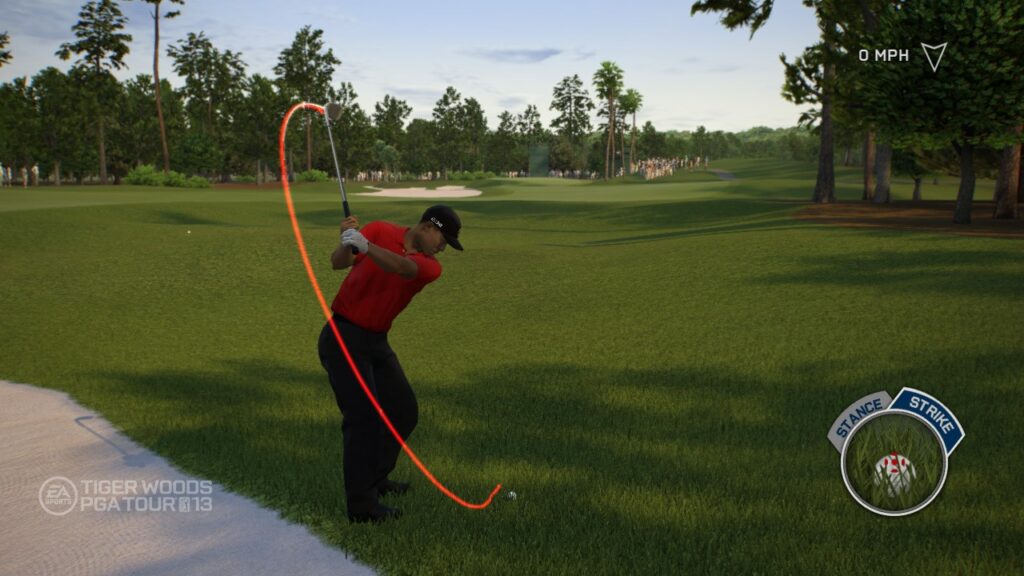
My first ten tournaments with the new system were genuinely rough. I was finishing 13 to 18 over par, well down the field, nowhere near contention. It was the kind of stretch that makes you question whether you want to keep playing. I kept going, and eventually the system clicked. But here is the thing about Total Swing Control that EA probably did not intend: even after it clicks, it doesn’t go away. I had a six-tournament run where I were finishing top five consistently. Then it fell apart completely. Back-to-back rounds where nothing worked, no top-25 finishes, the same frustration as week one. That is what golf actually feels like. One bad grip, one slightly early release, and the whole round unravels. For players willing to accept that as part of the experience, Tiger Woods 13 is the most authentic simulation of the sport this series has ever produced. For players who want to pick up and play something that feels like a game, this is the wrong year to start.
Outside the swing overhaul, the game covers its usual ground. Career mode returns with the depth you expect, online play is present and functional, and The Masters is back as the marquee licensed event. The new addition this year is the Legacy Challenge mode, which walks you through Tiger’s life from his childhood years through his professional career with the stated goal of eventually surpassing Jack Nicklaus’s major count. The concept is sound. The execution doesn’t quite get there. The early segments feel more like a novelty than a mode, and the whole thing lacks the tension and investment that a strong career mode builds over time. It is something to do, not something to return to.
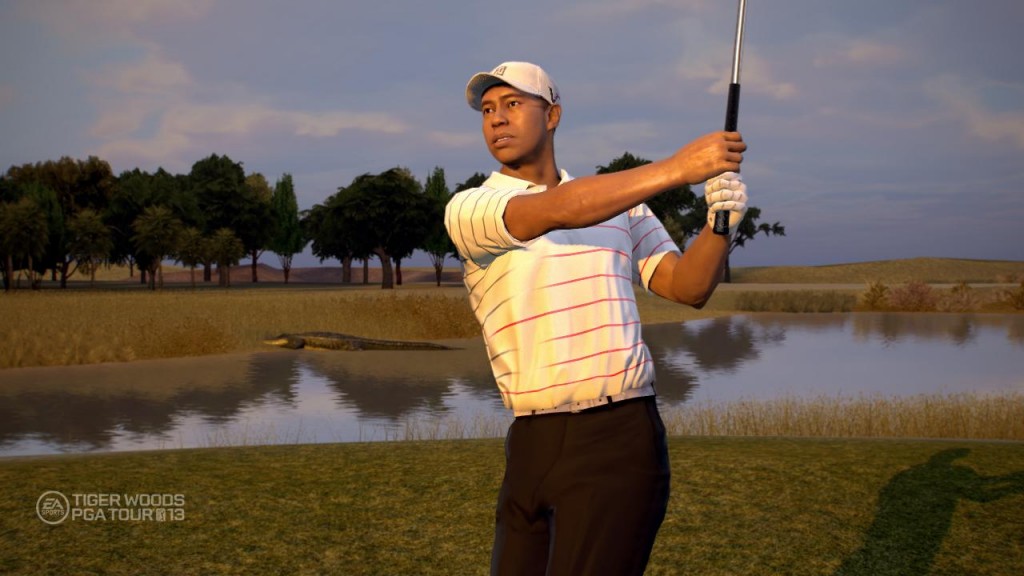
Motion controls also make an appearance this year, with Kinect support on Xbox 360 and Move support on PS3. If you have the hardware and the space, it is a genuinely different experience and worth trying. If you don’t, nothing is lost.
One practical note worth flagging: this year’s release dropped PC, Mac, and Wii support entirely. If you were planning to play this anywhere other than an Xbox 360 or PS3, you are out of luck. Last year’s version remains available across all five platforms and, given that it is also the more accessible version for new players, it may still be the right choice depending on your setup.
Tiger Woods PGA Tour 13 is a game that rewards investment and punishes impatience. It is the best the series has played, but it has also narrowed its own audience in the process.
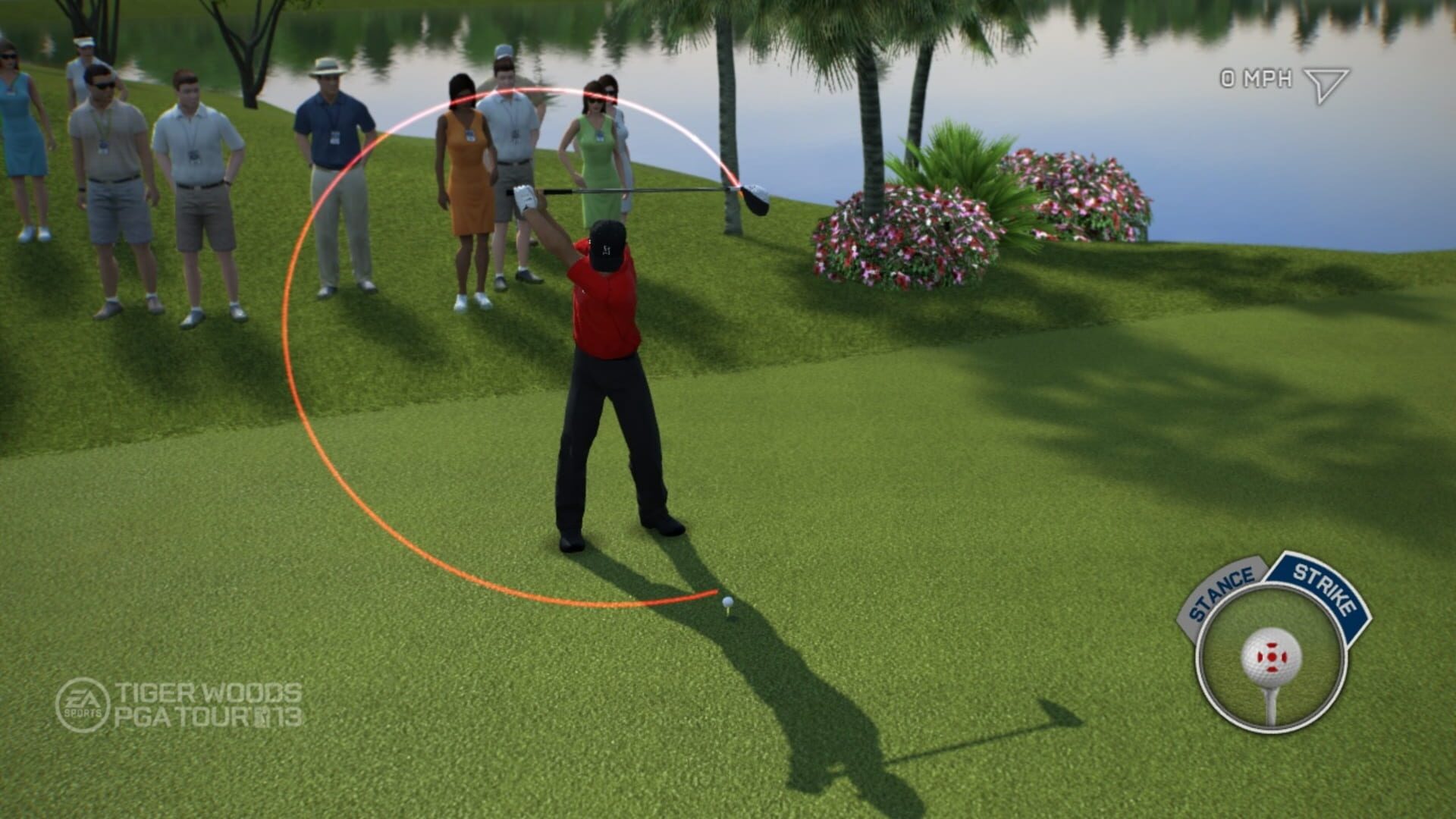
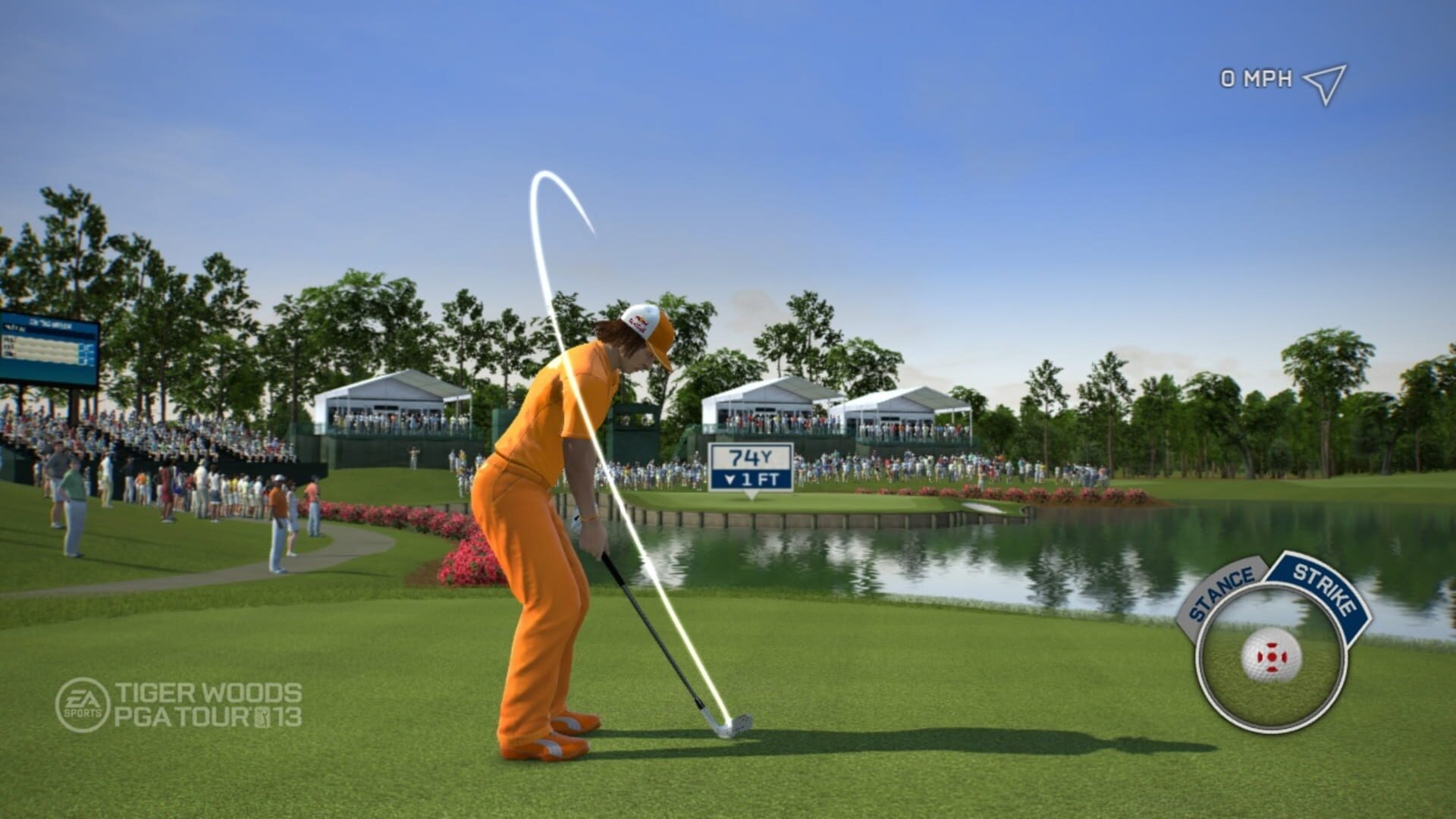

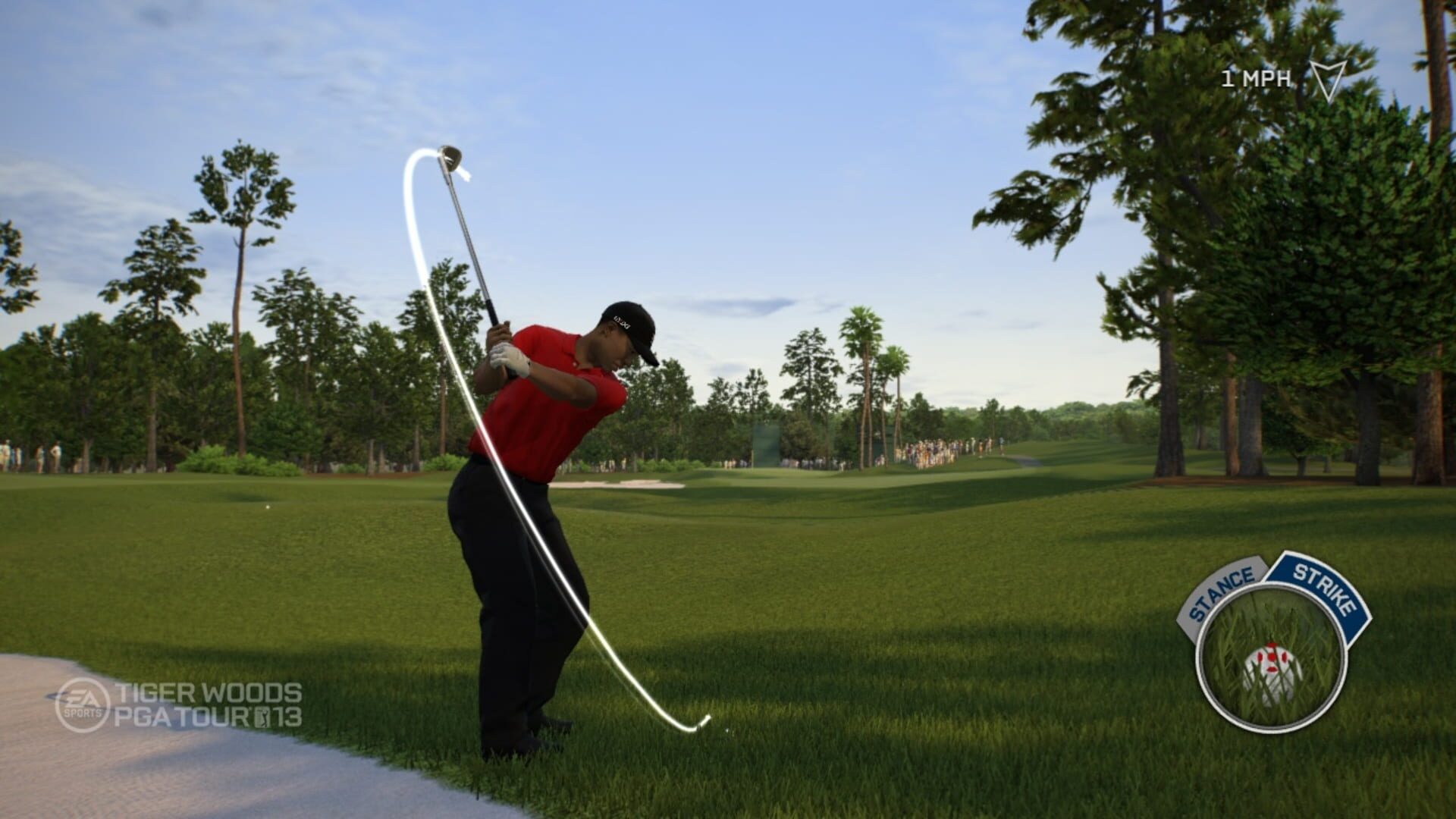
Tiger Woods PGA Tour 13 is the best the series has played, and also its most demanding. If you want a golf simulation that actually makes you work for it, this is it. If you want something you can pick up and play casually, go back one year.
Requires an Xbox 360 or PS3. No online servers remain active for this title, so multiplayer is offline only. Copies are common and cheap at used game shops and on eBay, typically under $5 loose. Nothing special required for the hardware side.
No digital re-release exists. Tiger Woods PGA Tour 13 has not appeared on any backward compatibility program or current digital storefront. Golf licensing and likeness rights make this unlikely to change.
Not available on PC. Unlike the 2012 entry, which shipped across Xbox 360, PS3, PC, Mac, and Wii, this version was console-only. No viable emulation option exists for either platform that runs this title cleanly.
If platform access or difficulty level is a concern, Tiger Woods PGA Tour 12 remains available across more platforms and is the more accessible entry for new players. The swing system difference between the two is significant enough to matter.
| Platform | PlayStation 3 · Xbox 360 |
| Released | 2012 |
| Developer | EA Tiburon |
| Publisher | EA Sports |
| Genre | Golf Simulation, Sports |
| Reviewed | May 23, 2012 |