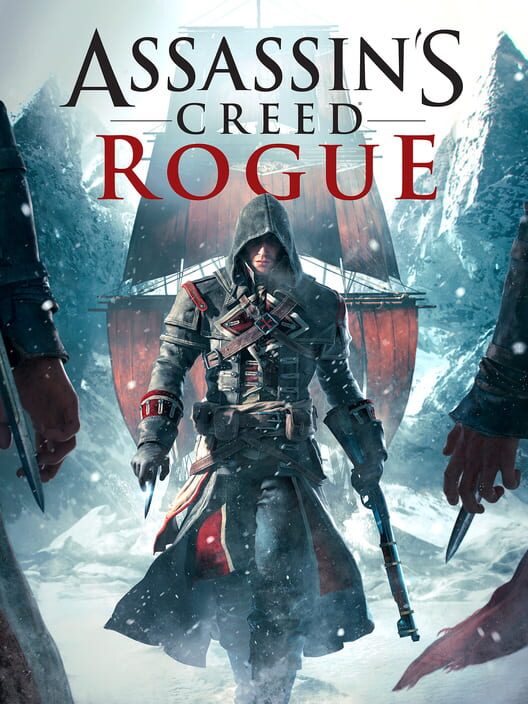
Assassin’s Creed Rogue
It’s not often that a game really surprises me these days. Between press events, trailers, livestreams, review copies, embargo schedules and months of pre-release noise, you usually know what you’re getting before you ever touch the controller. That wasn’t really the case with Assassin’s Creed Rogue. Like Unity, it was blacked out from early streams, and review copies weren’t provided early to the vast majority of publications. Outside of what Ubisoft chose to release directly, not much was known about it. That usually makes me nervous. In this case, it made me curious.
Rogue takes place during the Seven Years’ War and puts you in the role of Shay Patrick Cormac, an Assassin who turns his back on the Brotherhood and joins the Templars. That one shift does more for the game than almost anything else Ubisoft could have done. The series had spent years telling us the Assassins were the freer, nobler side of the conflict while the Templars wanted control. Rogue finally slows down long enough to ask what happens when the Assassins are wrong, reckless, or just as dangerous as the people they claim to oppose. That’s the reason Rogue works. The story is depressingly short, but it gives the series a different perspective at exactly the right time. Shay isn’t just a villain wearing the wrong coat; he believes the Brotherhood crossed a line, and the game gives him enough motivation that his betrayal makes sense. For the first time in a while, the Assassin and Templar conflict feels less like a branding exercise and more like an actual ideological split.
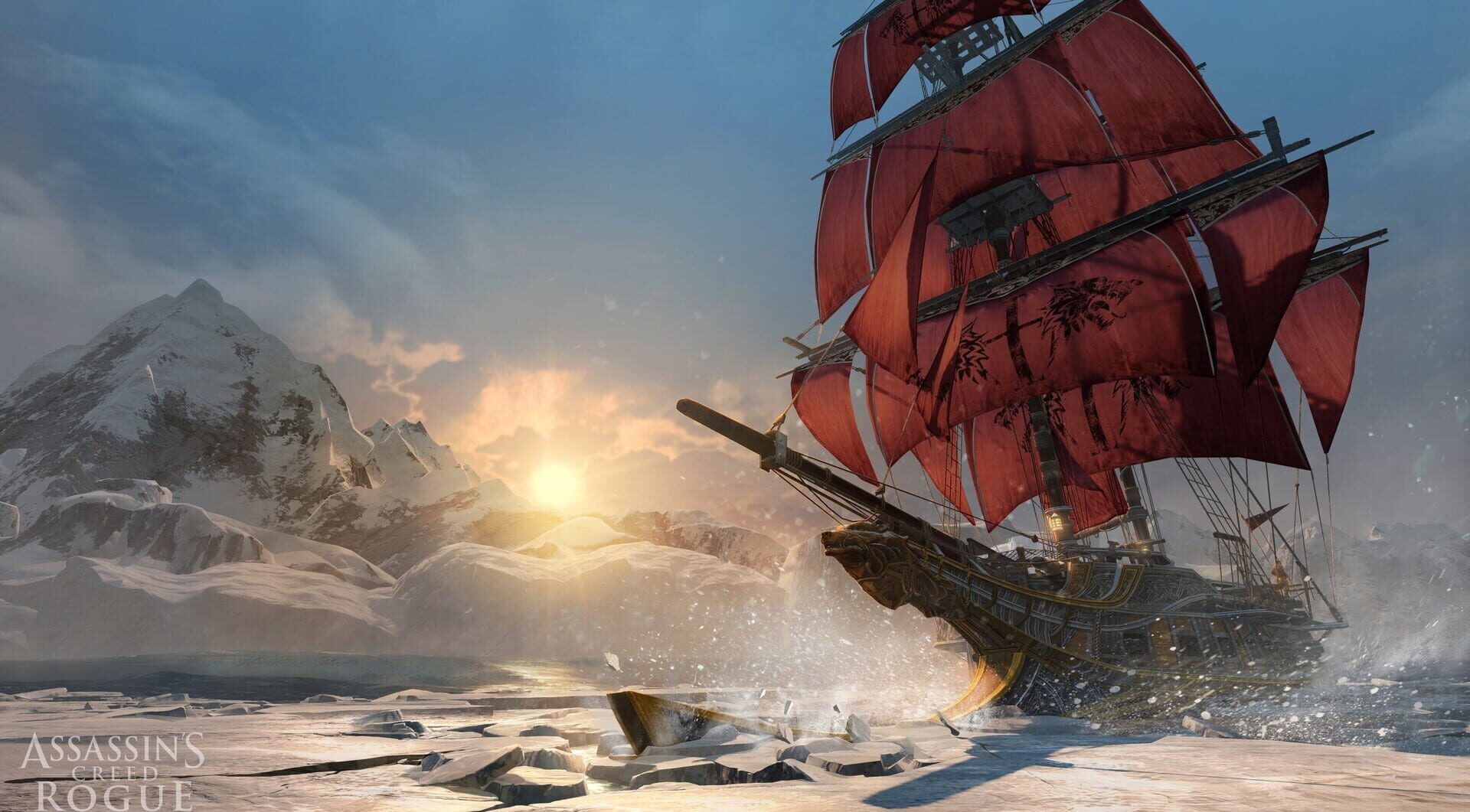
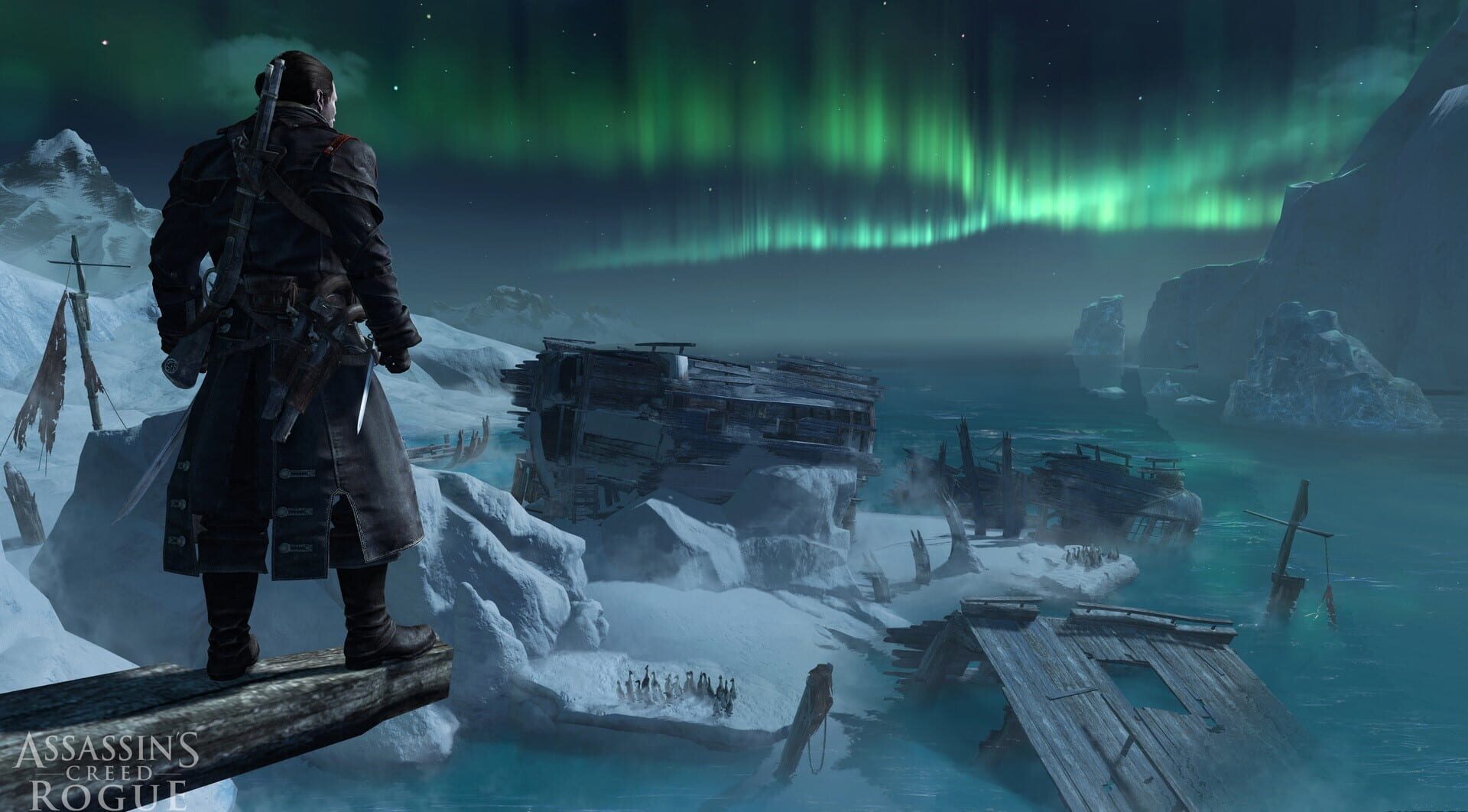
The problem is that almost everything around that story is familiar. If you’ve played Assassin’s Creed III, Liberation or Black Flag, Rogue will feel like a remix of all three. New York returns. The Homestead returns. Colonial America returns. The naval systems from Black Flag return. Even some of the story threads and assets feel pulled from the same pile. This isn’t a game trying to reinvent the series; this is Ubisoft taking the previous generation’s toolset and squeezing one more full release out of it. That sounds harsher than it plays. The truth is, that toolset was still good. Sailing in Black Flag was one of the best things the series ever did, and Rogue keeps most of that intact. The Morrigan is smaller and quicker than the Jackdaw, and the colder North Atlantic setting gives the naval side a different feel. Ice, fog and harsher water make the world feel less like a pirate fantasy and more like a dangerous military frontier. When you’re boarding ships, upgrading your vessel, hunting targets and bouncing between land and sea, Rogue still has that addictive checklist pull these games do so well.
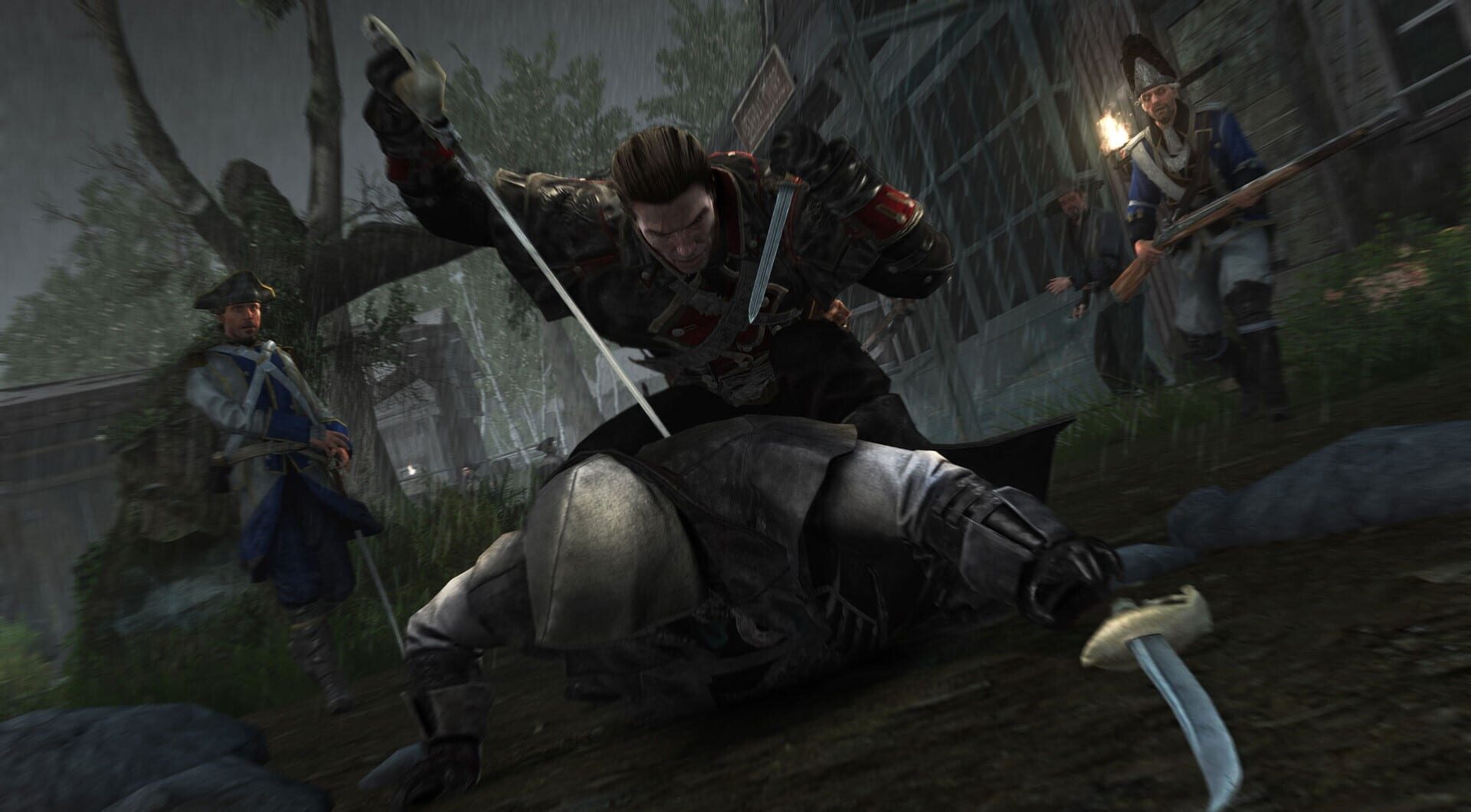
The land gameplay is exactly what you expect from this era of Assassin’s Creed. You climb, tail, stab, eavesdrop, loot, renovate and chase icons across the map. Some of it is comfort food. Some of it is series fatigue in a hood. The controls still fight you at the worst times, and missions still lean too hard on restrictions that tell you how to play instead of letting you improvise. When Rogue is doing old Assassin’s Creed things, it inherits old Assassin’s Creed problems. Graphically, it looks like a late-generation Xbox 360 and PS3 game. That’s both a compliment and a ceiling. The environments are attractive, the water still looks good, and the art direction does a lot with the colder setting. At the same time, this is clearly built from the same technology and asset base as the previous games: character models, city streets and animations all have that familiar look. It isn’t ugly. It’s just familiar to the point where you can almost see the production schedule behind it. Sound is solid. The voice work carries more weight than the script always earns, and Shay’s performance helps sell the turn from Assassin to Templar. The naval audio is still strong too, creaking wood, cannon fire, shouts across the deck, and that broad Ubisoft historical-adventure score. Nothing here hits the personality of the sea shanties in Black Flag, but it fits the colder, more serious tone.
What surprised me most is that Rogue feels more focused than Unity. It’s smaller, yes, and clearly cheaper, but smaller isn’t always worse. Unity was the big next-gen showpiece. Rogue was the old-gen side project. Yet Rogue is the one that knew exactly what it wanted to be: a bridge between AC III and Black Flag, a Templar story, and one last run through Ubisoft’s previous-gen systems before the series moved on. That makes it hard to dismiss. Assassin’s Creed Rogue is recycled, short and familiar. It’s also one of the better-written entries in the series from this period, and it gives the Templars more credibility than years of lore dumps ever did. I expected a leftover. I got a leaner, colder, stranger Assassin’s Creed game that reminded me this series can still surprise me when it stops chasing spectacle and starts asking better questions.
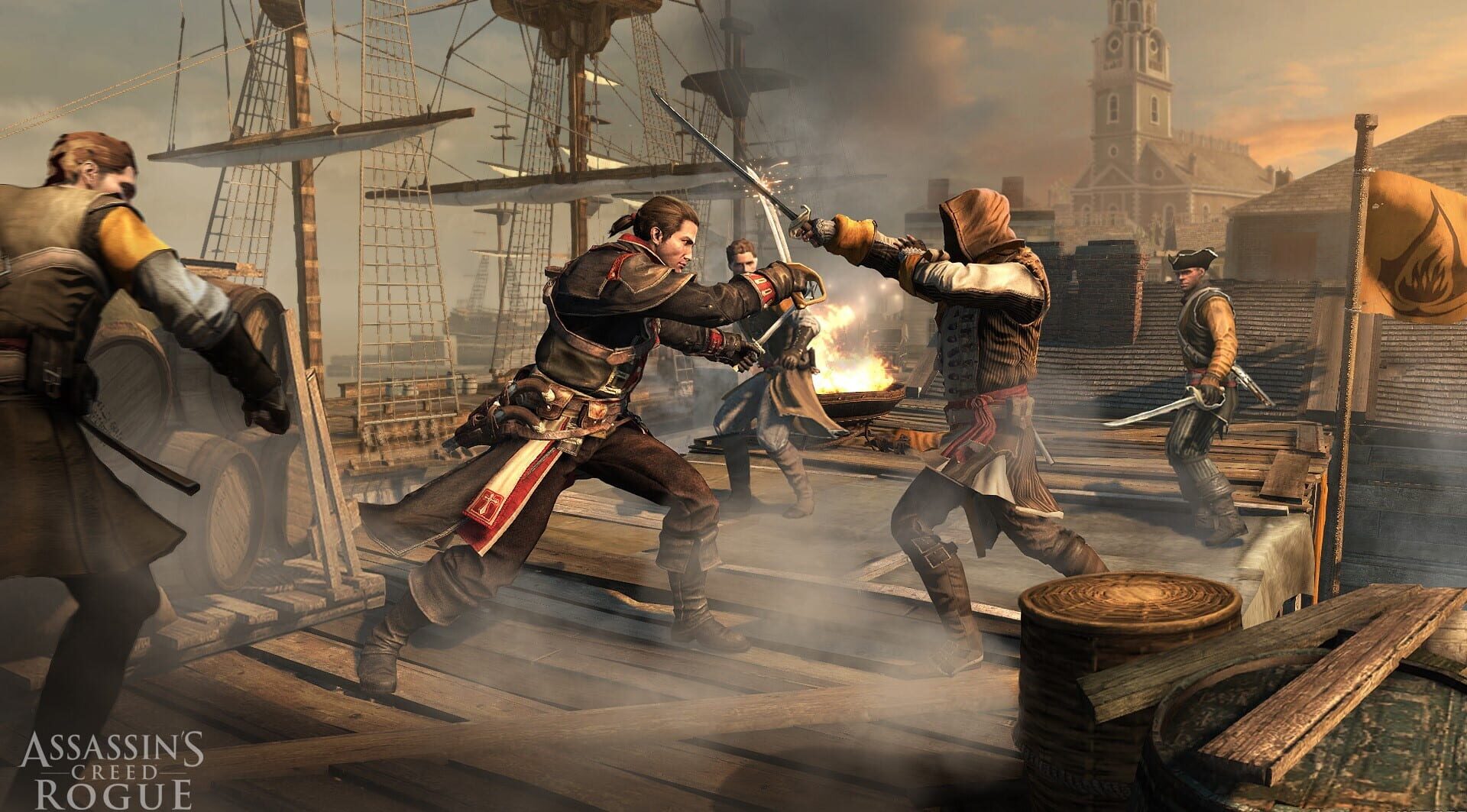
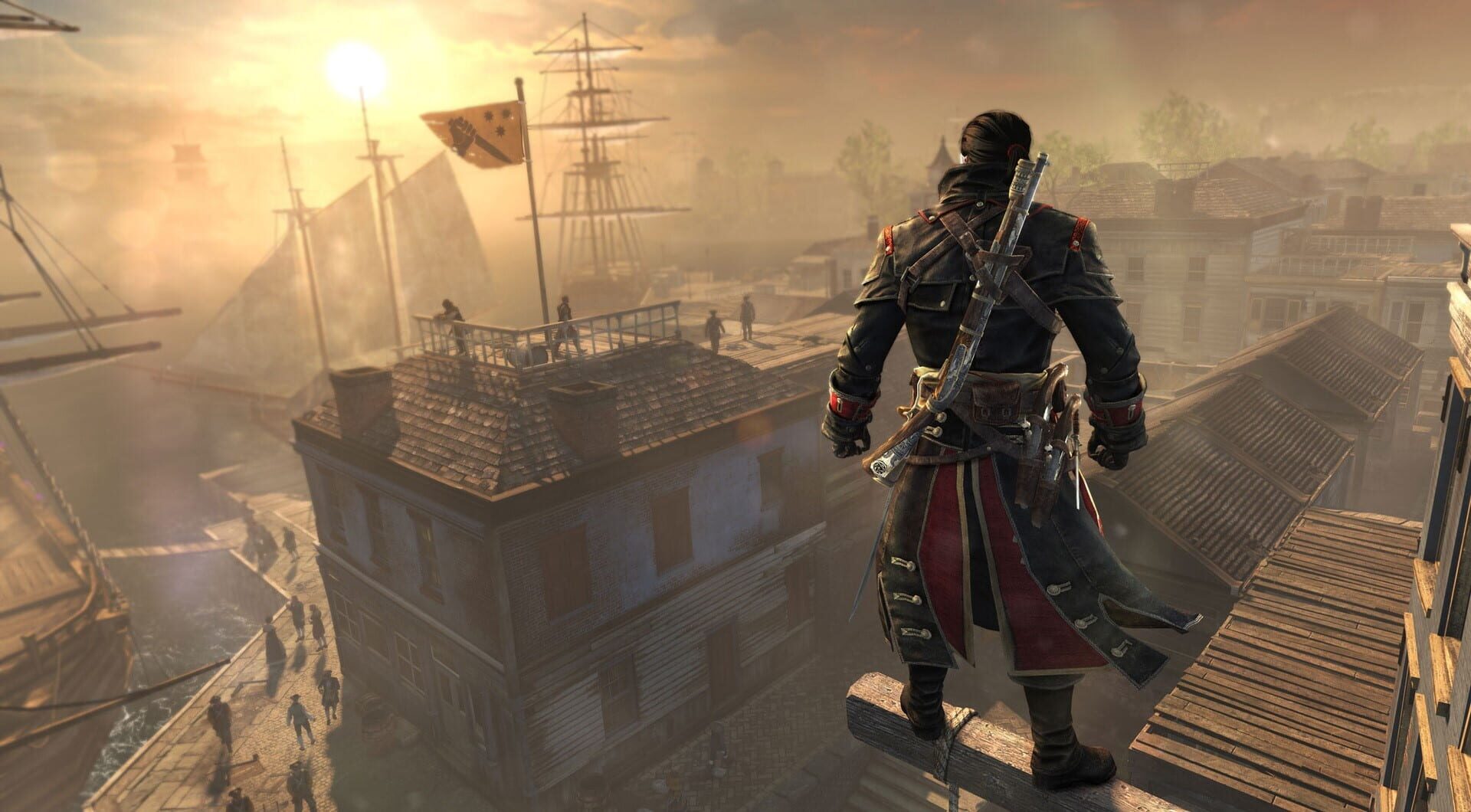
Assassin's Creed Rogue should have felt like Ubisoft scraping the barrel at the end of a console generation. Instead it turns recycled systems into one of the series' most interesting perspective shifts: short, familiar, and absolutely worth playing.
An Xbox 360 or PS3 with the disc; the PC version followed in March 2015.
Available as Assassin's Creed Rogue Remastered (2018) on PS4 and Xbox One, on the Ubisoft Store for PC, and in Assassin's Creed: The Rebel Collection on Switch.
| Platform | PlayStation 3 · Xbox 360 |
| Released | 2014 |
| Developer | Ubisoft Sofia |
| Publisher | Ubisoft |
| Genre | Action |
| Reviewed | November 11, 2014 |