BioShock Infinite: Burial at Sea
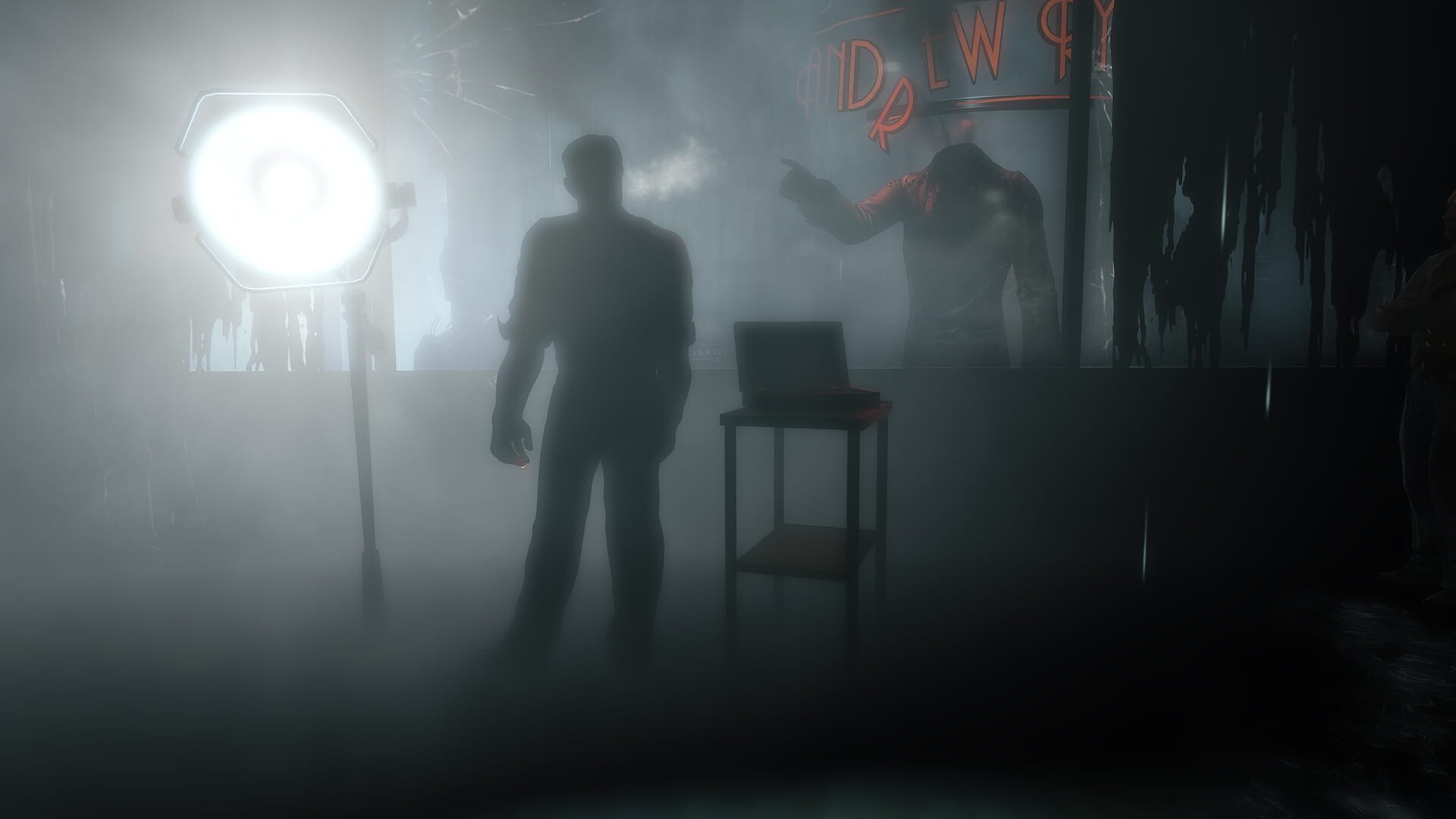
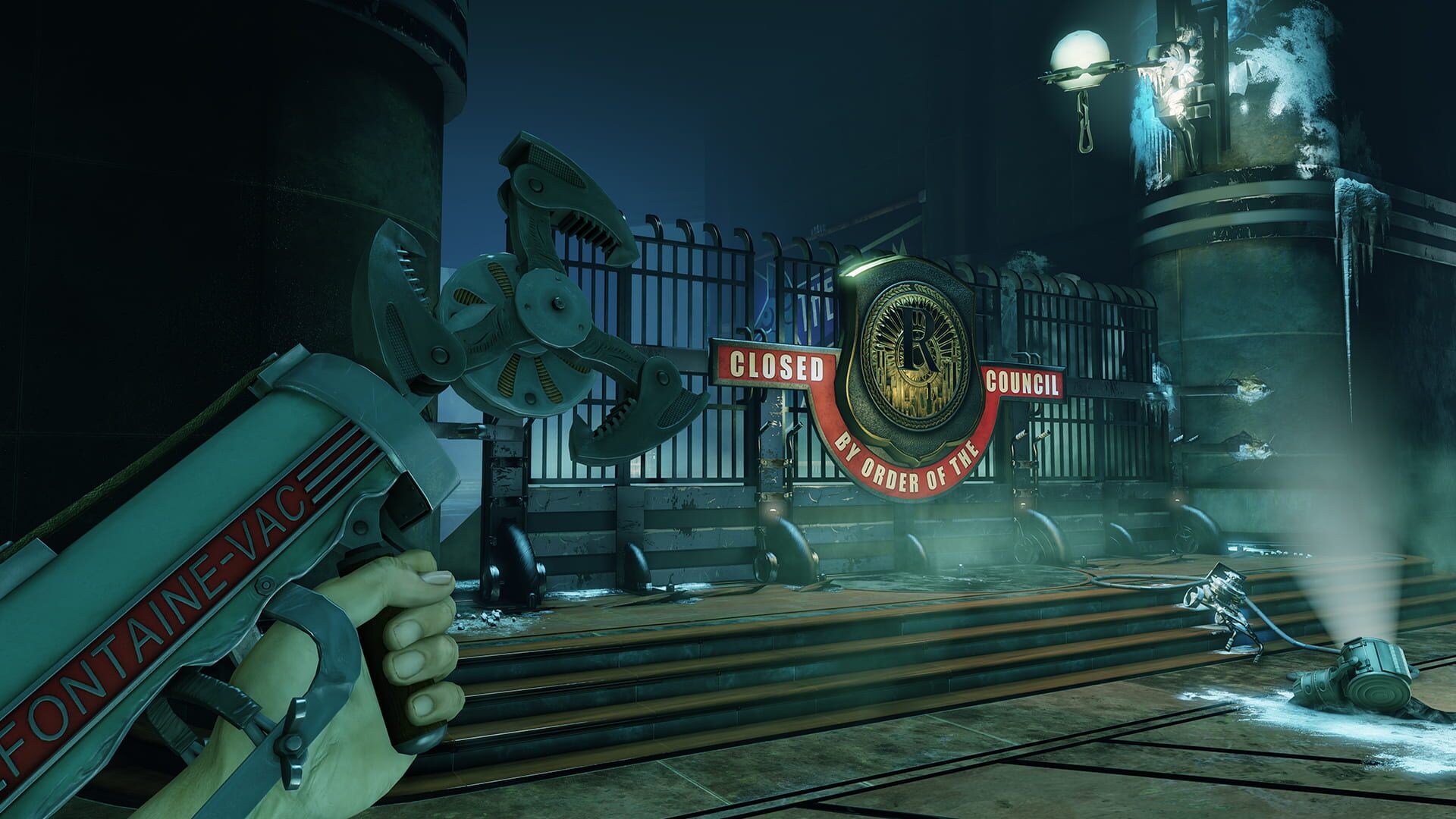
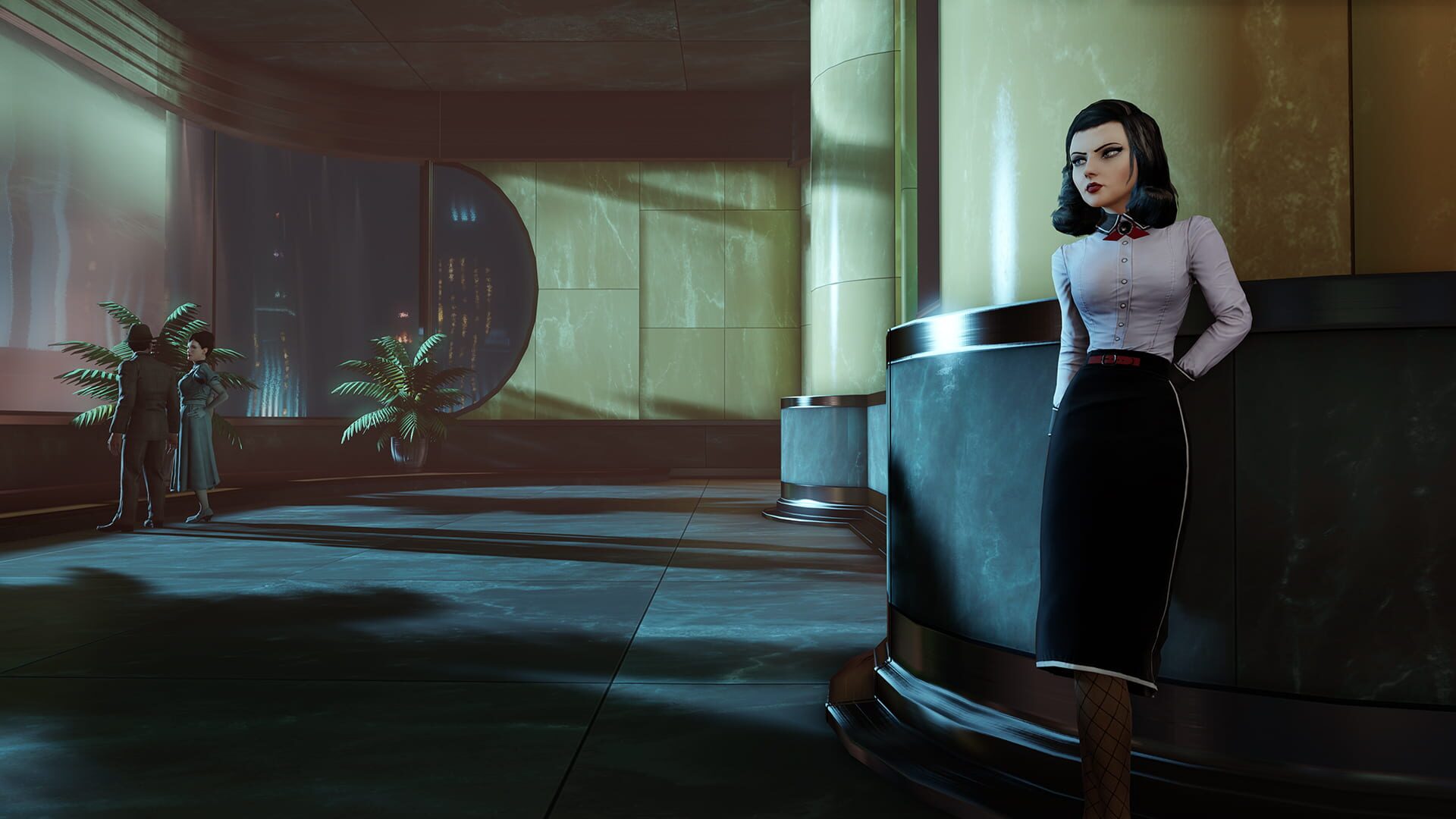
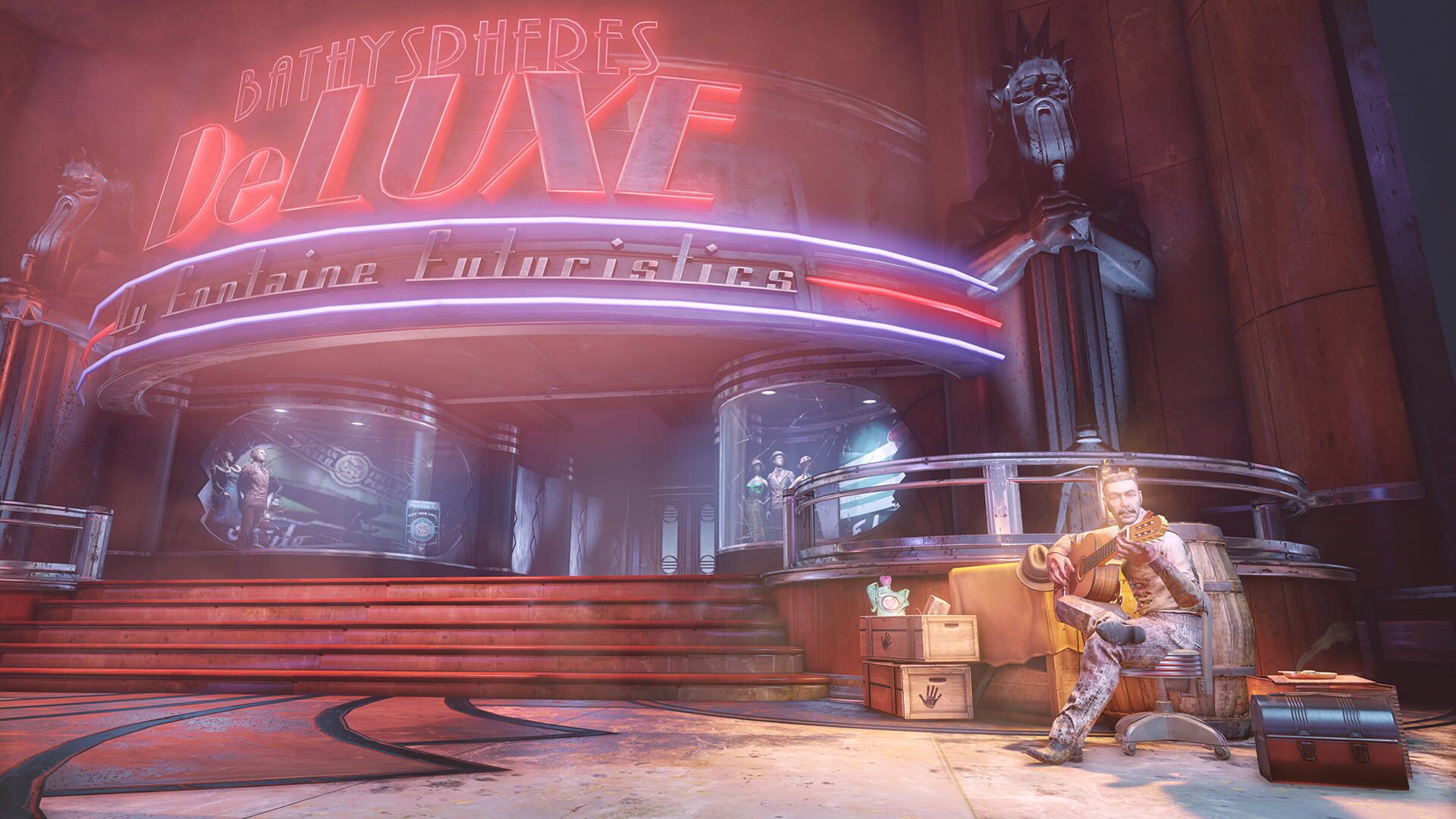
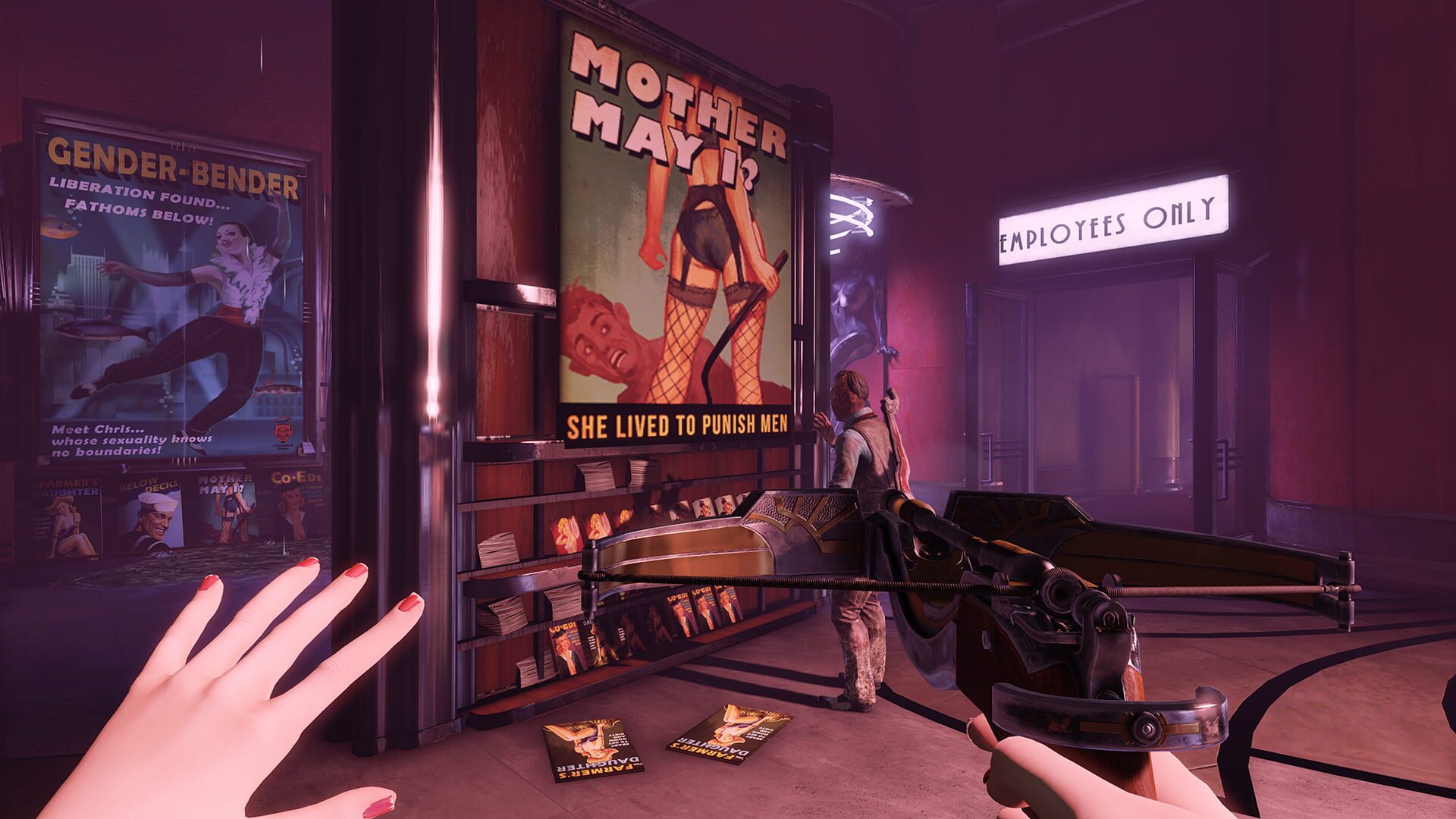
Burial at Sea follows the events of BioShock Infinite, which spanned several alternate realities and was themed on the nature of choice. Burial at Sea takes place in an alternate reality, within the underwater city of Rapture, a year before the events of the first BioShock game. In this reality, Booker DeWitt is a private detective, and Elizabeth is a femme fatale who employs Booker’s services to find a missing young girl named Sally. Throughout their investigation, Elizabeth and Booker begin to realize the extent of their actions and the effects they have on each and every reality. The narrative is divided up into two episodes. The first episode puts players back into the shoes of Booker DeWitt, while the second places players into Elizabeth’s shoes. The gameplay varies between the two episodes, with Booker’s focusing on action and gunfights while Elizabeth’s focuses heavily on stealth. In both episodes, players will see the return of plasmids as well as some of the weaponry from the first BioShock game, and players will also find some new weaponry, such as a crossbow with tranquilizer darts, noisemaking bolts and knockout-gas bolts. There is also what I personally call ‘the microwave,’ a weapon that sends a frequency at enemies, causing them to literally explode. Aside from the variation in guns and abilities, not much has changed in regards to the combat system.
Comparatively, the first episode is a shorter and less satisfying experience than the second. The first episode throws the player into the world of Rapture before its downfall and characterizes its flawed society. The gameplay feels far too reminiscent of BioShock Infinite, and only bears similarities to the first BioShock within plasmids, weaponry and aesthetics. The episode is short-lived at a disappointing 90 minutes, and it leaves the player at a cliffhanger that left me in confusion instead of awe and excitement.
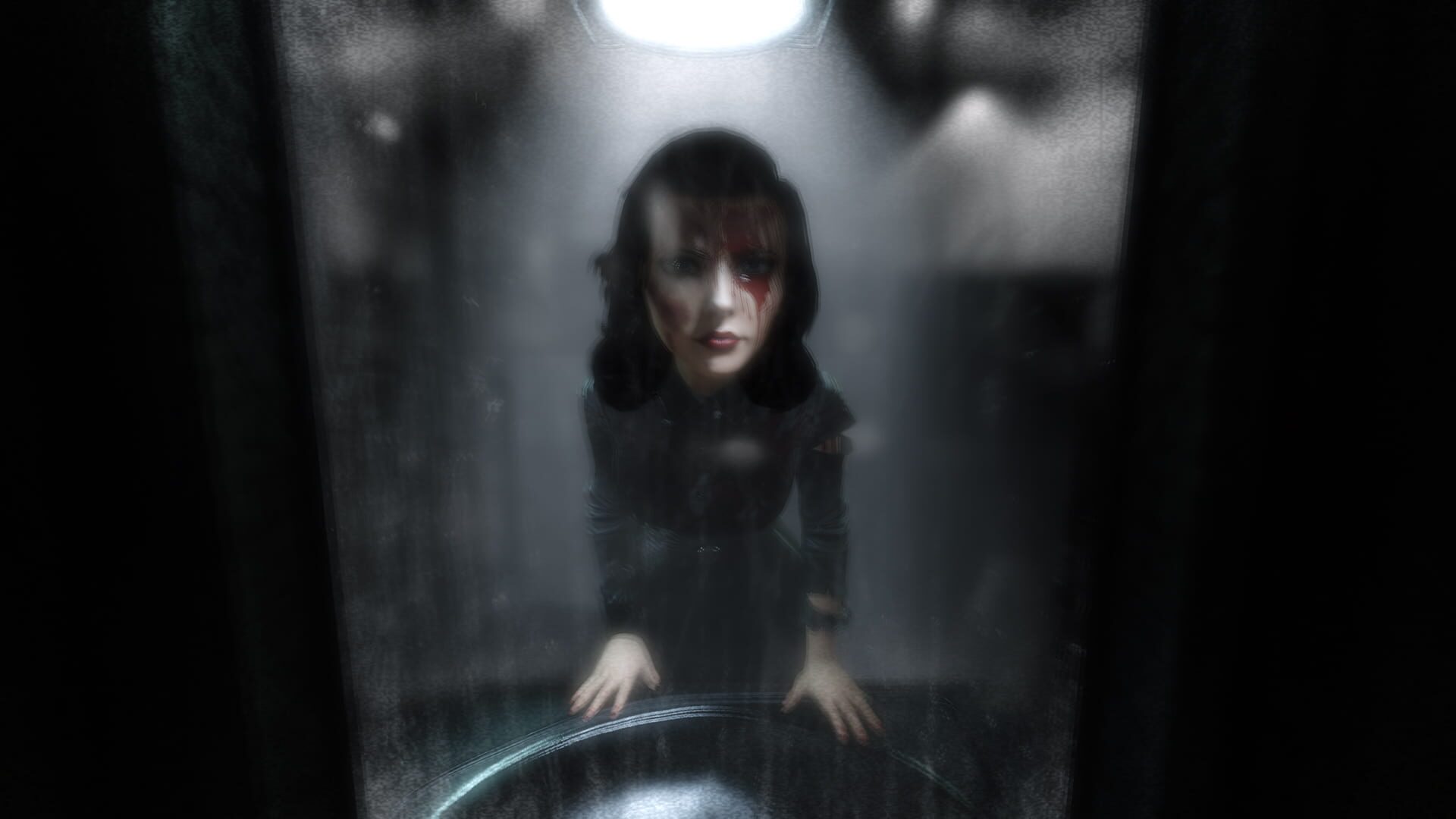
The second episode really dives into the narrative of Burial at Sea. Building off the lackluster cliffhanger of the first episode, it dives into Elizabeth’s omniscience and the connection between events within the realities of BioShock Infinite and the first BioShock game. In the second episode, you’re graced with the chance to play as Elizabeth. The combat transfers to a stealth-oriented system that fits Elizabeth’s profile: the player is no longer able to run in with guns, plasmids and vigors blazing, and must make their way through an environment by picking off enemies. To emphasize this new combat system, environmental aspects were included to enhance the experience: noisy surfaces such as water, broken glass and other variables are placed to force the player to tactically approach his or her enemies, and with new plasmids like Peeping Tom a player can even peer through walls or turn invisible in order to gain full advantage of their surroundings.
The combat system forces the game to move at a slower pace, which is far more beneficial than the 90 minutes of gameplay in the first episode. Unfortunately, this slower pace comes as both a benefit and a downfall. I began to question my connection to the characters throughout my playthrough and, in fact, began to lose interest in their wellbeing. The story itself is as strong as it ever was, but understanding it completely forces me to question why I’m even experiencing all of this. BioShock Infinite proposed a multi-dimensional universe; there was the implication of an infinite loop that controlled all things, and it’s because of this infinite loop that I began to realize my actions were, more or less, pointless. Now, to be frank, the actual organization of dimensions in BioShock Infinite is confusing enough as it is, as are the true limitations of Elizabeth’s abilities, but with all these questions and enigmas to this story, I found myself just as confused as I was by the end of BioShock Infinite. Nevertheless, Irrational Games does an elegant job of tying these loose ends together without making an extremely apparent conundrum, but a simple step back and a bit of contemplation has left me in the dust. This DLC certainly satisfied that drooling BioShock fan within me, but it left me clueless as to how and why these events even took hold. I’m sure someone could come along with a nice graph and show me the complicated intricacy of this universe, but unfortunately, I feel far too lost at this point. Seeing Rapture as it was before the chaos ruined the horrific beauty of BioShock, and wrapping up this Rapture in a web of inter-dimensional loopholes has muddled the strong narratives that separated BioShock and BioShock Infinite.
All in all, this isn’t to say that Burial at Sea was a disappointment, and I’m certainly not saying that BioShock is tainted because of this multi-dimensional universe, but none of it seems to have helped the two games either. Irrational Games managed to tie the two relatively seamlessly (if you avoid any critical inspection of death, multiple dimensions and Elizabeth’s powers), and I’m certainly glad to find some sort of closure to the whole series, but I’m not sure if I’m entirely satisfied with this ending (or is it a beginning?). The gameplay is strong. The narrative is catching, but I feel a bit left in the dust, unfortunately.


A handsomely made return to Rapture with strong gameplay and a catching story that ties BioShock and Infinite together, but its inter-dimensional knot muddles both games and leaves you a bit lost.
BioShock Infinite plus the Burial at Sea DLC (or the Season Pass) on PC, Xbox 360 or PS3.
Included in 'BioShock: The Collection' on PC, PS4/PS5, Xbox and Switch.
| Platform | PC · PlayStation 3 · Xbox 360 |
| Released | 2013 |
| Developer | Irrational Games |
| Publisher | 2K Games |
| Genre | Shooter |
| Reviewed | April 8, 2015 |