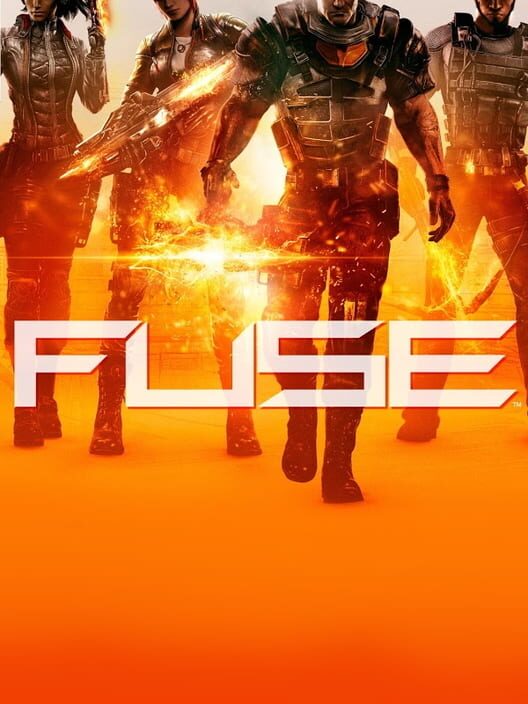
Fuse
The overstrike of Fuse is that it does not live up to what it was originally meant to be. Back at E3 in June 2011, Insomniac Games revealed a multiplatform title during EA’s press conference that rocked the room and raised excitement across the board: an action-packed co-operative adventure with character and art direction up the yin-yang, and they called it Overstrike. Cue the awesome music. Then, the following year, the titillated gamers who had gathered to follow up on their beloved new title found it reworked and rebranded as Fuse. Needless to say, people were not happy.
So why the history lesson? Because given the overwhelming interest the Overstrike trailer drew, the real question was whether the rebranded Fuse would live up to the hype. In the end, it did not.
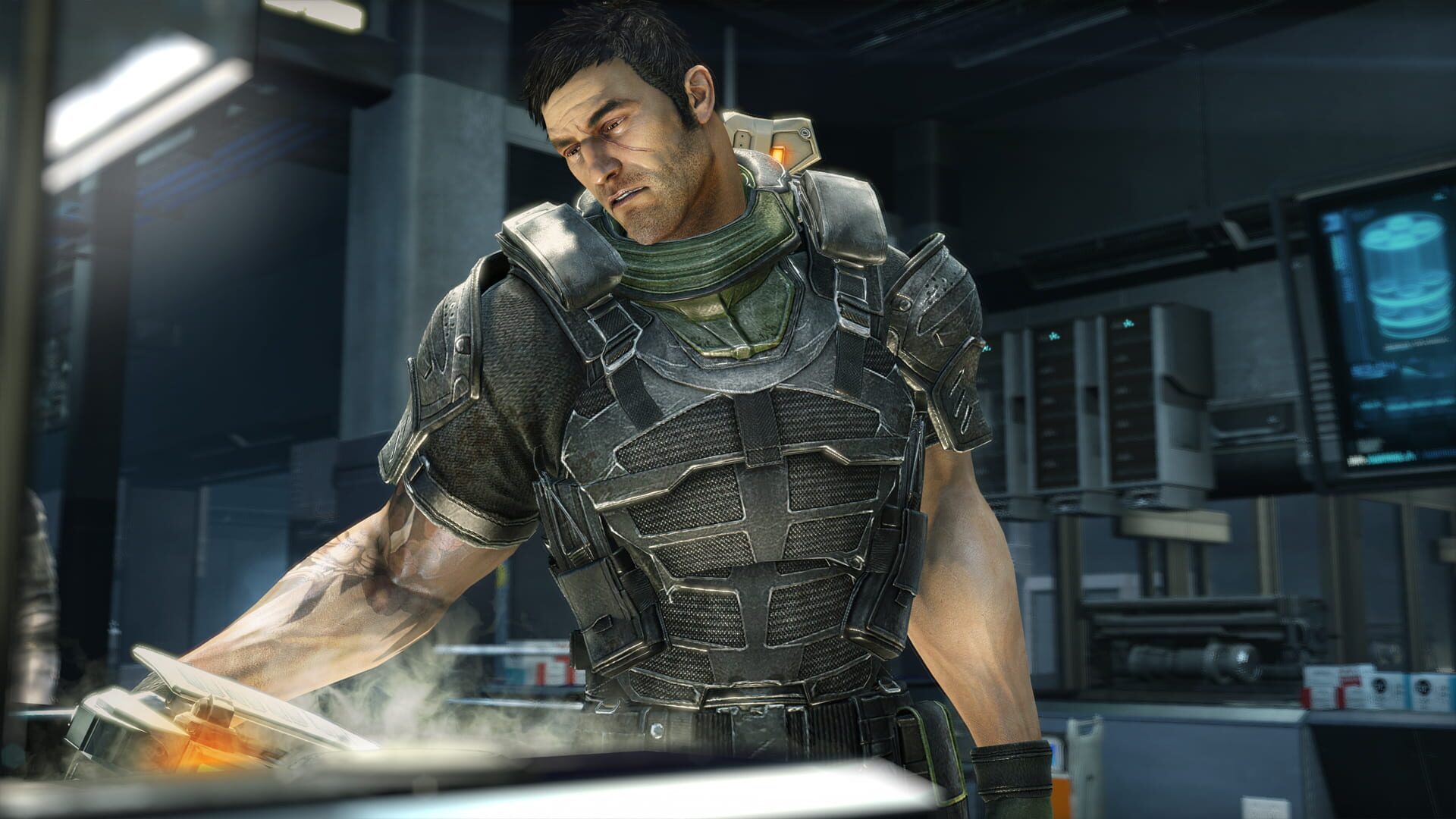
Fuse follows a misfit team called Overstrike 9, Dalton Brooks, Naya Deveraux, Isabelle Sinclair and Jacob Kimble, wielding weapons powered by an alien substance called Fuse, out to stop the Raven Corporation from using it for nefarious ends. Whether you play solo or co-op, the story that unfolds is rough, simple and straightforward. You catch glimpses of backstory for each character, but only two are ever really fleshed out; the rest feels poorly constructed and evidently cut from the final product.
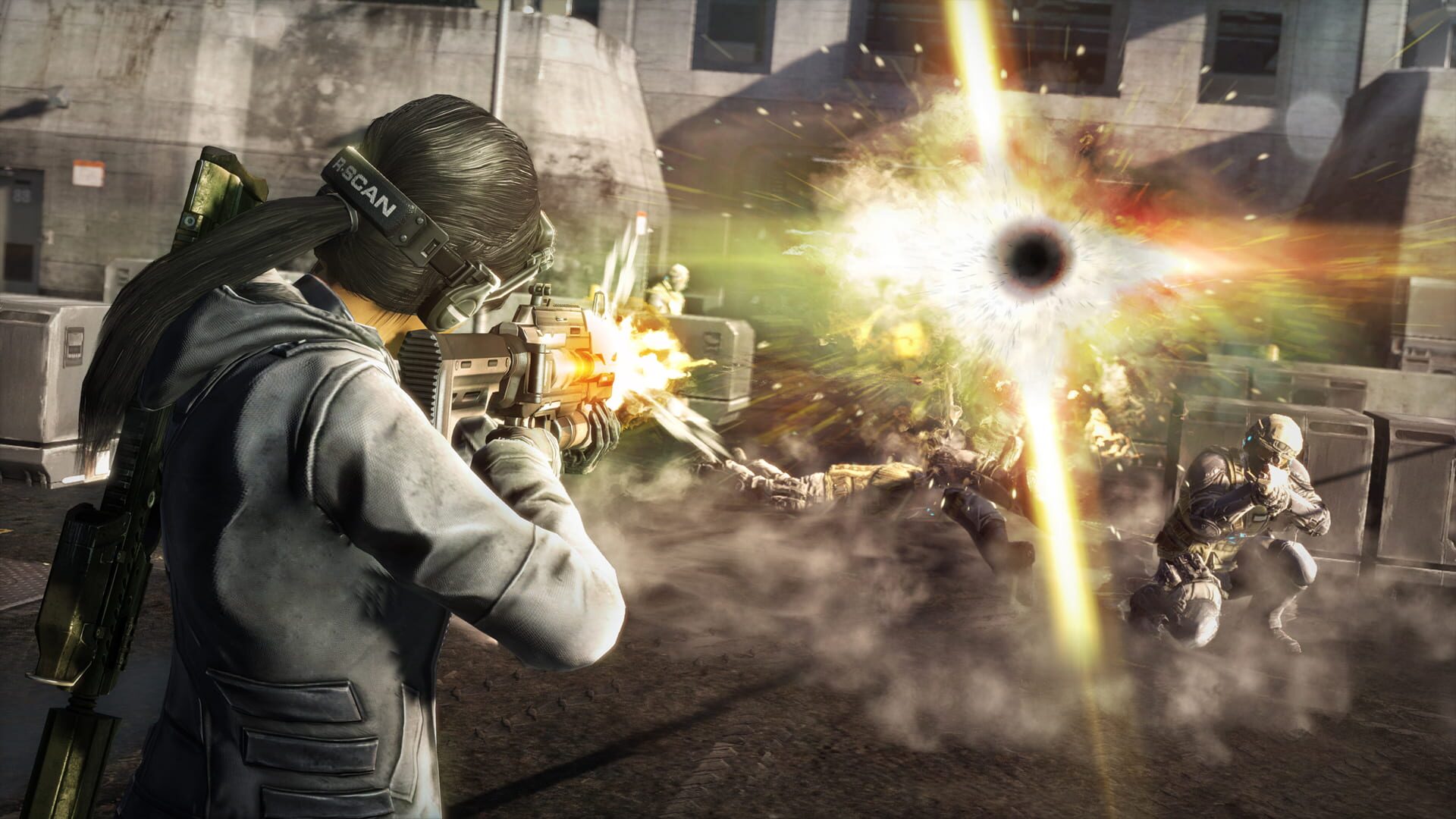
But this is a shooter, who cares about story when I came to blow stuff up? I am glad I asked, because Fuse is not a bad shooter. The controls are smooth and the difficulty never forces the cover system to go unused or feel overwhelming. It plays quite nicely, with friends. Start it up on your own and you will be chucking controllers at the screen from the very start. The AI is so horrendous that the cool, chainable custom attacks are impossible to pull off solo, Dalton’s Magshield that rewards kills made behind it, or freezing an enemy with the shattergun so a teammate playing Naya can make them explode. Switch characters on the fly all you like; the AI will be standing in the open returning blind fire, off in some distant corner, or simply not paying attention.
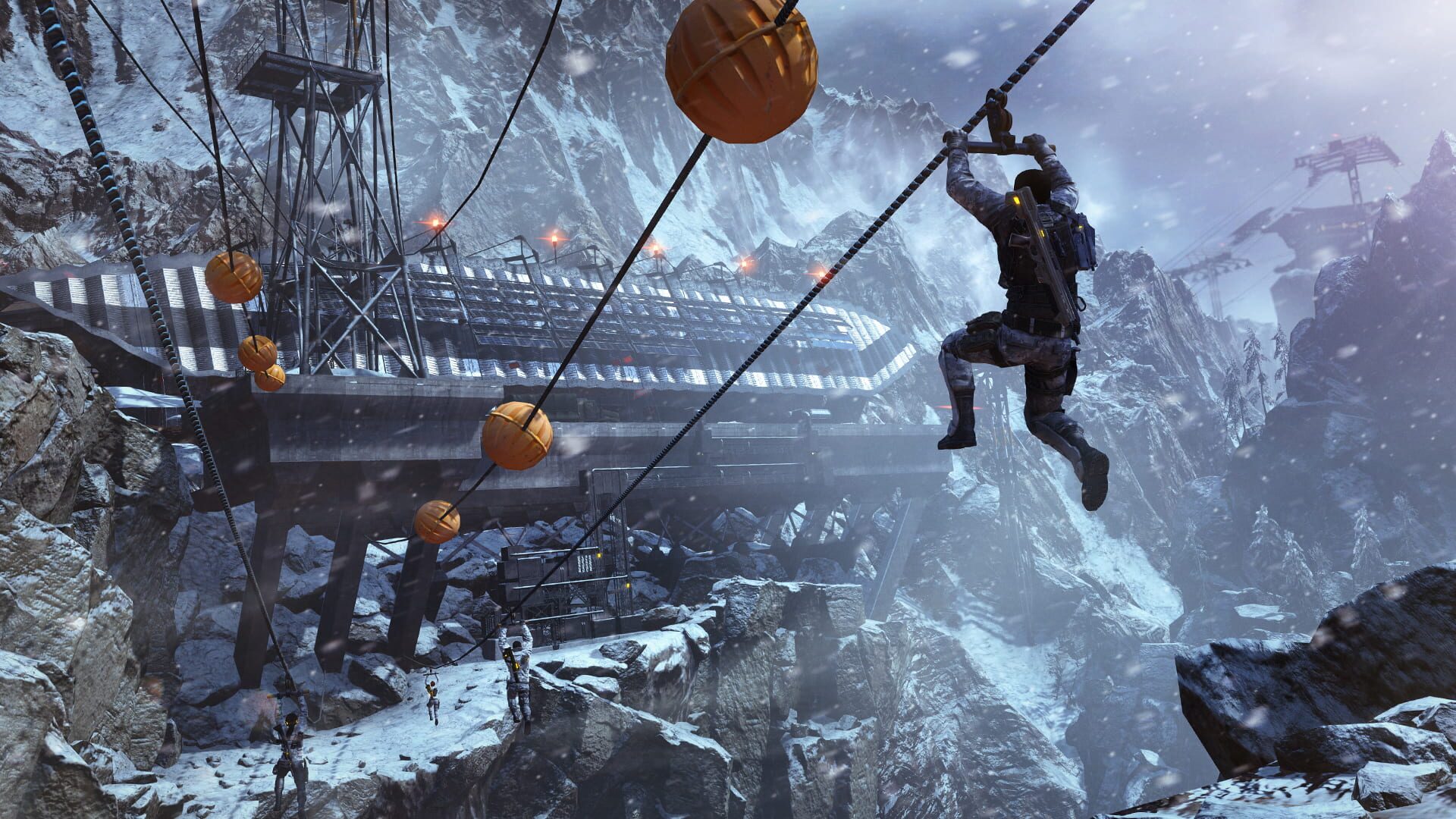
In co-op you feel how the whole game is built around combining abilities. The flow of battle is chaotic and full of good action as you and your friends gawk at what your combinations do, but it is nothing particularly memorable. You could try to be stealthy with melee or stealth takedowns, yet you always end up in an all-out firefight anyway. Before long the gameplay turns repetitive, the same linear-shooter loop: enter the room, take cover, shoot everyone, move to the next room, rinse and repeat. Even the boss fights are disappointingly repetitive, just shooting the right barrels at the right time. The added Horde mode is not bad, but it is nothing new, and like the campaign it is dull and annoying solo.
In fairness, Fuse is not a bad game. It is a good, slightly unambitious cover shooter that does not push the genre further than Insomniac’s knack for ridiculous guns. The story is thin, the voice acting is relatively well done even when the dialogue gets cheesy, the gameplay is solid but demands co-op for full enjoyment, and the graphics are nothing noteworthy. From the rebranding to the obvious backstory cut, Fuse feels like the shell of something that could have been far greater. As I said, it is not bad, but it is also nothing great.
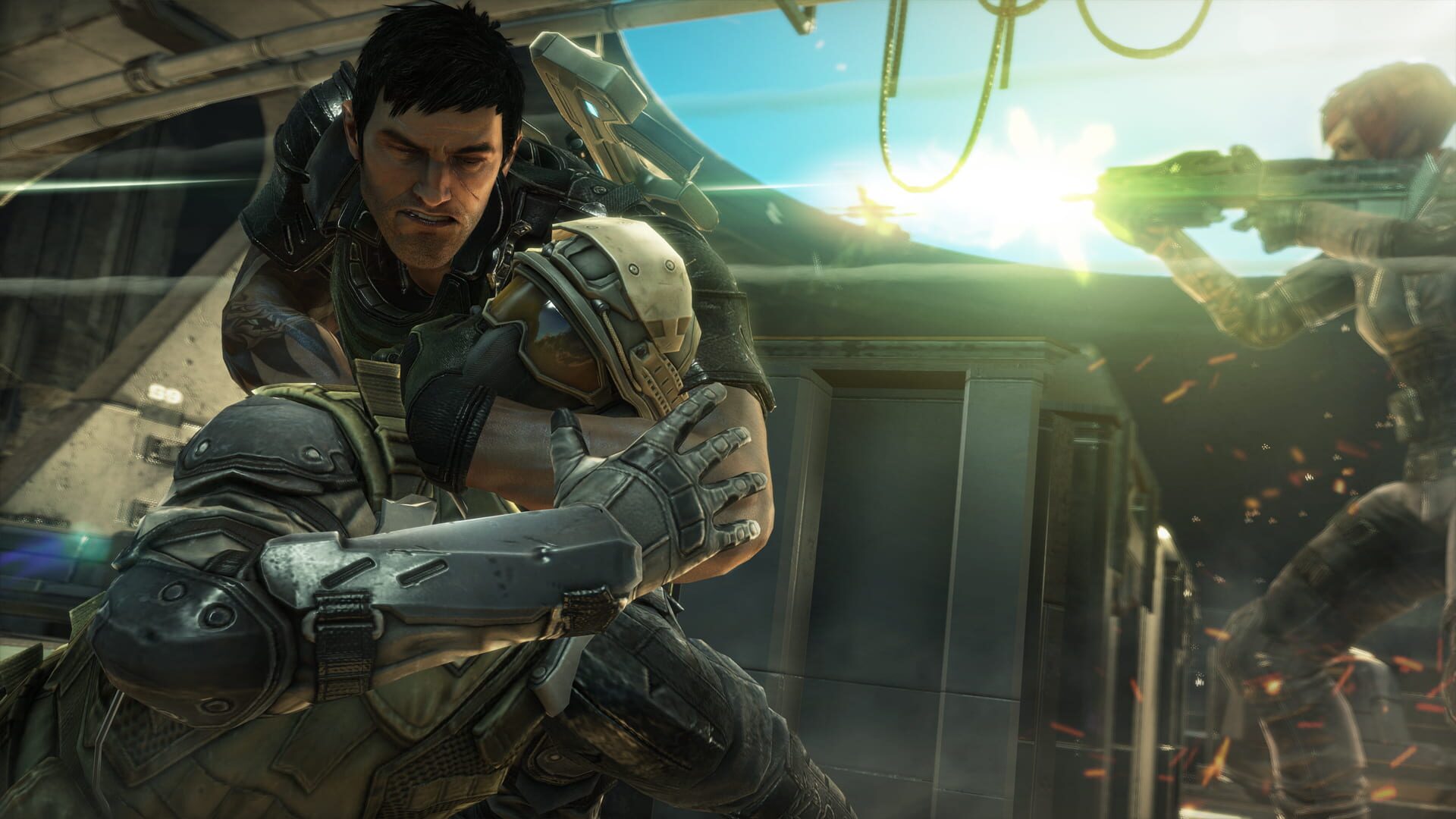
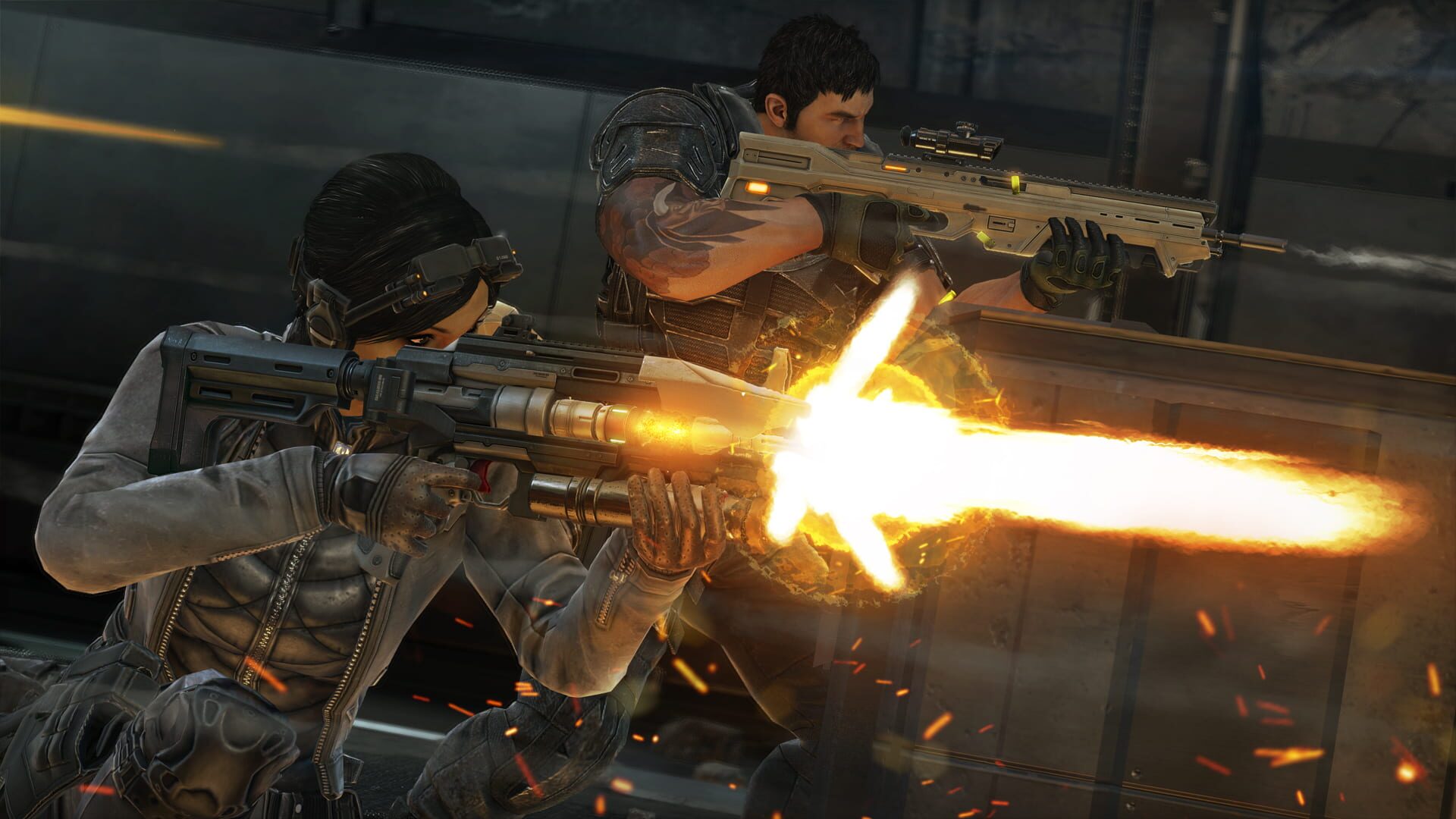
A solid, slightly unambitious co-op cover shooter, great with friends, miserable solo, that ends up the shell of the more ambitious Overstrike it began as.
An Xbox 360 or PS3 with the disc; play it in four-player co-op.
Playable on Xbox via backward compatibility; the co-op is best online or in split-screen.
| Platform | PlayStation 3 · Xbox 360 |
| Released | 2013 |
| Developer | Insomniac Games |
| Publisher | Electronic Arts |
| Genre | Shooter |
| Reviewed | June 6, 2013 |