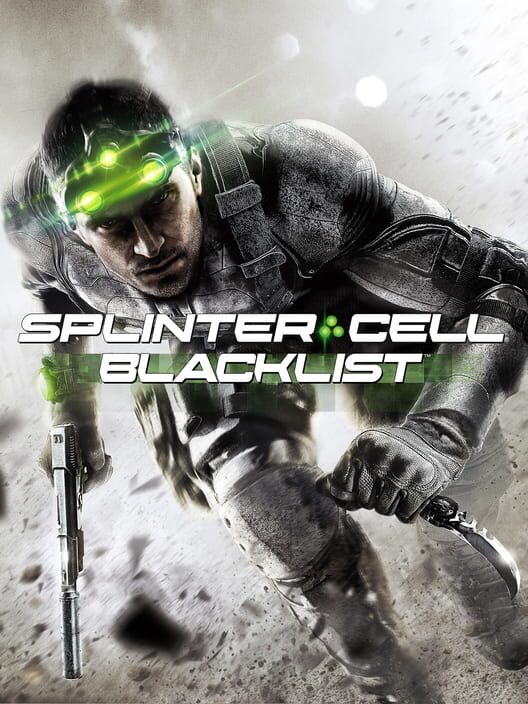
Tom Clancy’s Splinter Cell: Blacklist
Before I even begin this review, I want to note something the creative director for Blacklist, Maxime Beland, said during a press event. When he called lead writer Richard Dansky and asked him to write Splinter Cell 6, Dansky’s first question was whether he’d need to come up with a story that required Sam to take out 800 guys. Beland paused and said, sadly, that he thought so; they wanted it to be more and more “ghost,” with non-lethal options, but at the end of the day, it’s just Sam Fisher, bad guys and maps. In all honesty, that quote may be the best way to sum up Splinter Cell: Blacklist. With the absence of Michael Ironside as Sam Fisher’s voice, Sam Fisher has become a generic military character. His voice sounds younger and his appearance is altered into a more youthful complexion that seems strange when you take Sam’s age into consideration (you also then have to wonder how he’s still in the field if he’s that old). Now, why is this important? How could a voice be so important to a game, and how does this connect to the quote? Well, we lose the true essence of who Sam Fisher is to us. We lose the intense moments of dialogue from the previous games and end up with something flatter. Normally, the main character tied to a chair and submitted to the hands of the big baddie is a rather dramatic, intense scene; however, most of the tension is lost in Sam’s new grunt-like voice. The dialogue can be well written at times, but without Ironside’s masculine purr as Sam Fisher, the story takes a serious dramatic toll.
Voice acting aside, the story arc is the normal scenario you’d expect from a Tom Clancy game. Terrorists called ‘The Engineers’ have created a plot titled ‘Blacklist’ that destroys key American cities and figures until America agrees to withdraw troops from every country in the world and cease their global operations. Now, if you don’t ask questions like why the hell they would publicly display a timer and their targets, or how they achieved an army, then you should have a mildly enjoyable, action-packed ride; however, the various twists and turns will inevitably roll over you as you discover the Engineers’ true plan (because there’s always some ridiculous underlying plan), and you then give up asking questions and take them out as Sam ‘The Generic’ Fisher. I know I sound unenthused about the whole Tom Clancy narrative, but it’s what I expected from Blacklist, and I can’t say I’m entirely disappointed. I mean, if I look at it outside of the franchise it’s not half bad, but within it, well then, we have a problem. To sum up my issue with the story, Sam Fisher needs a send-off. Give him something simple, something family-oriented, or hell, make him the director of some new Splinter Cell (aka Fourth Echelon) and just use Michael Ironside’s voice. I don’t care how you do it, but it needs to end for him.
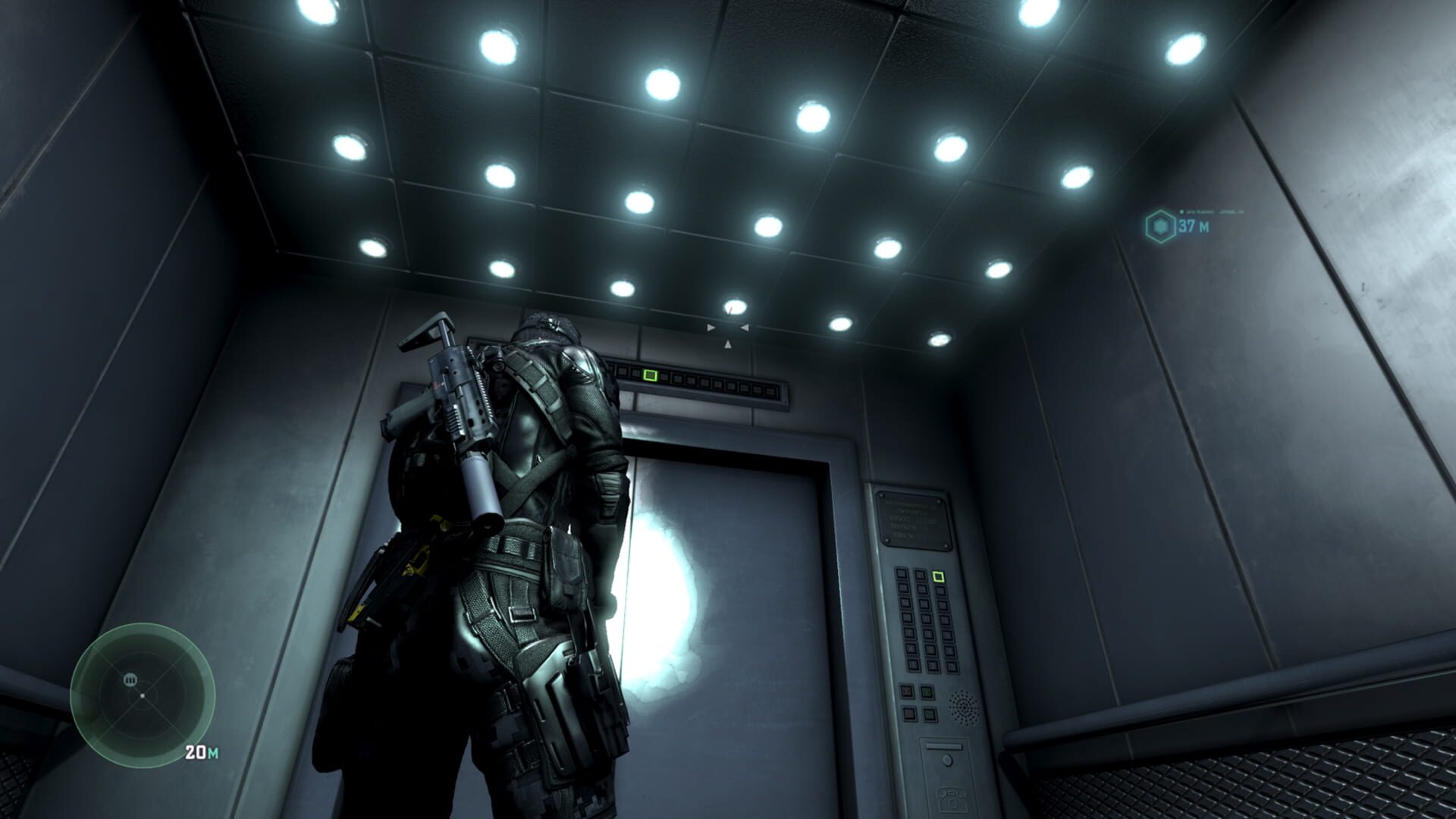
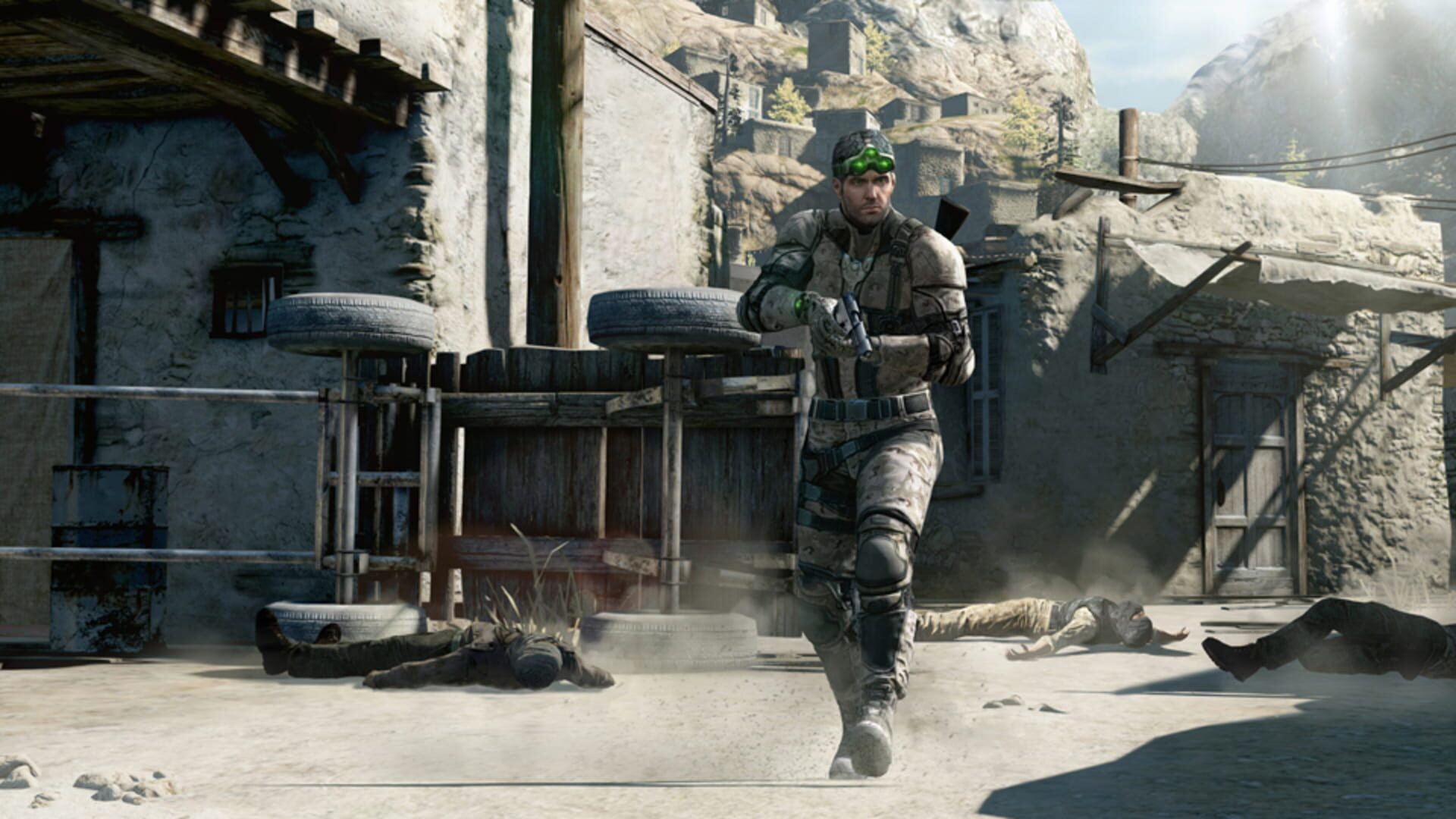
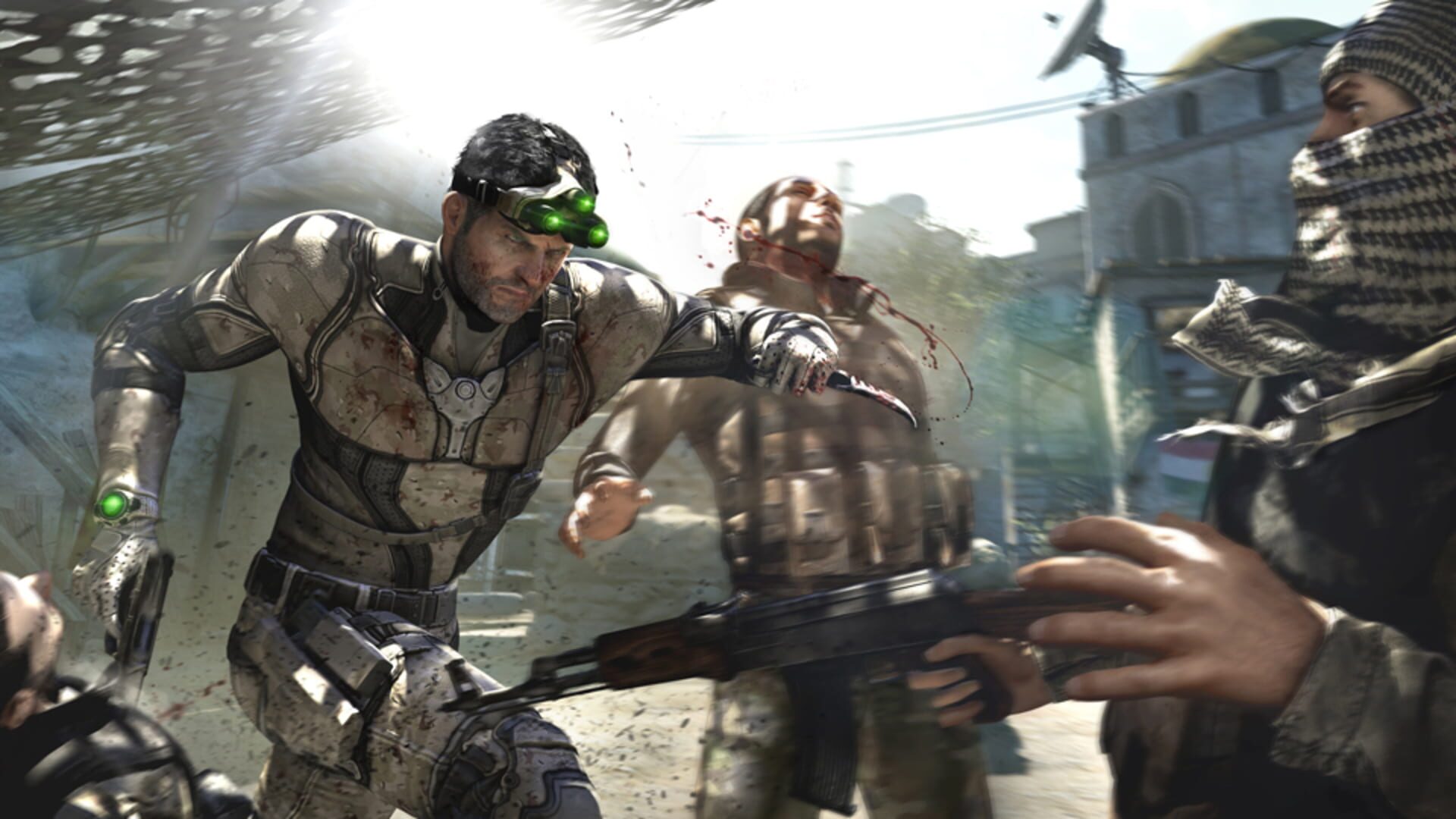
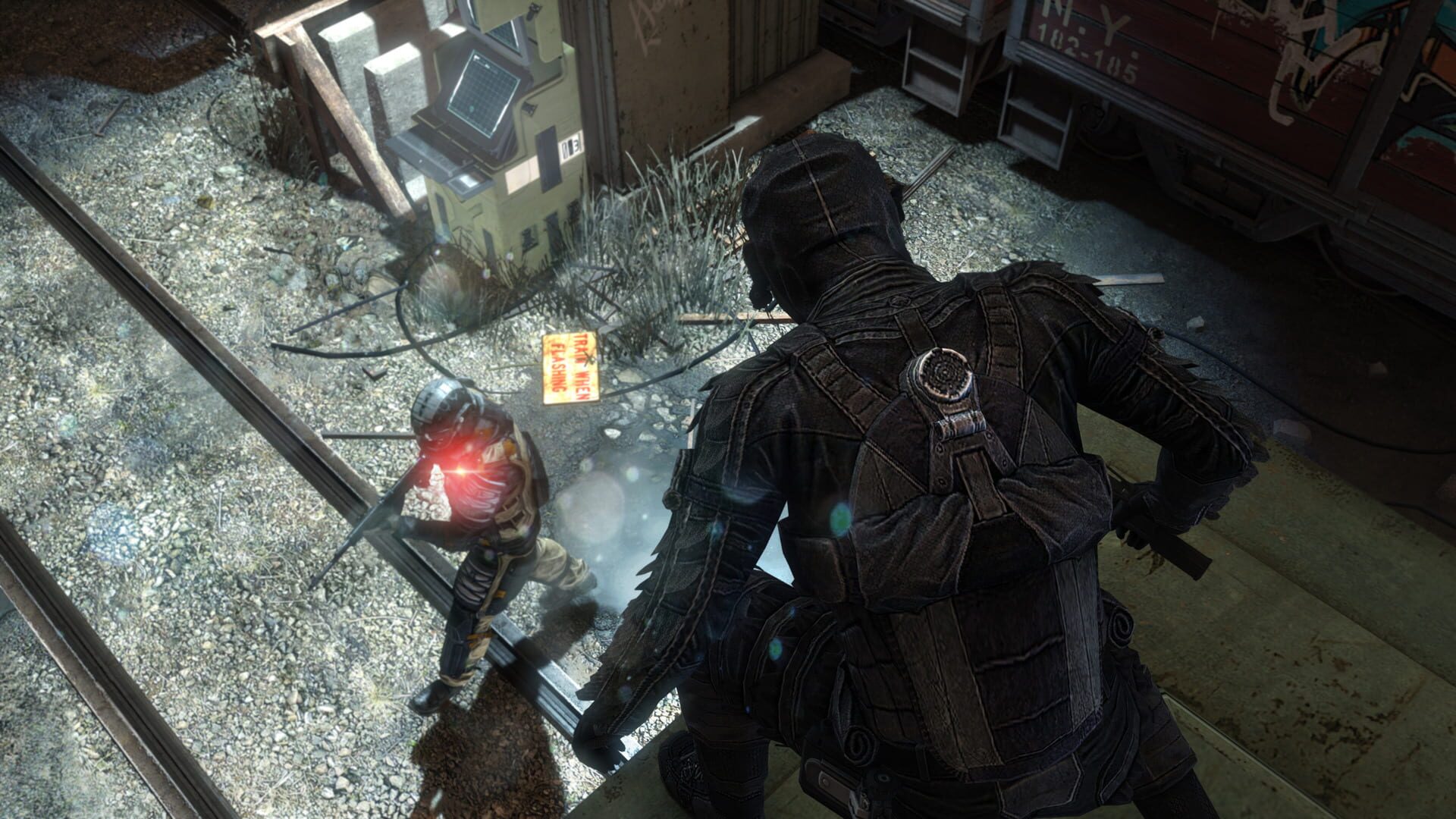
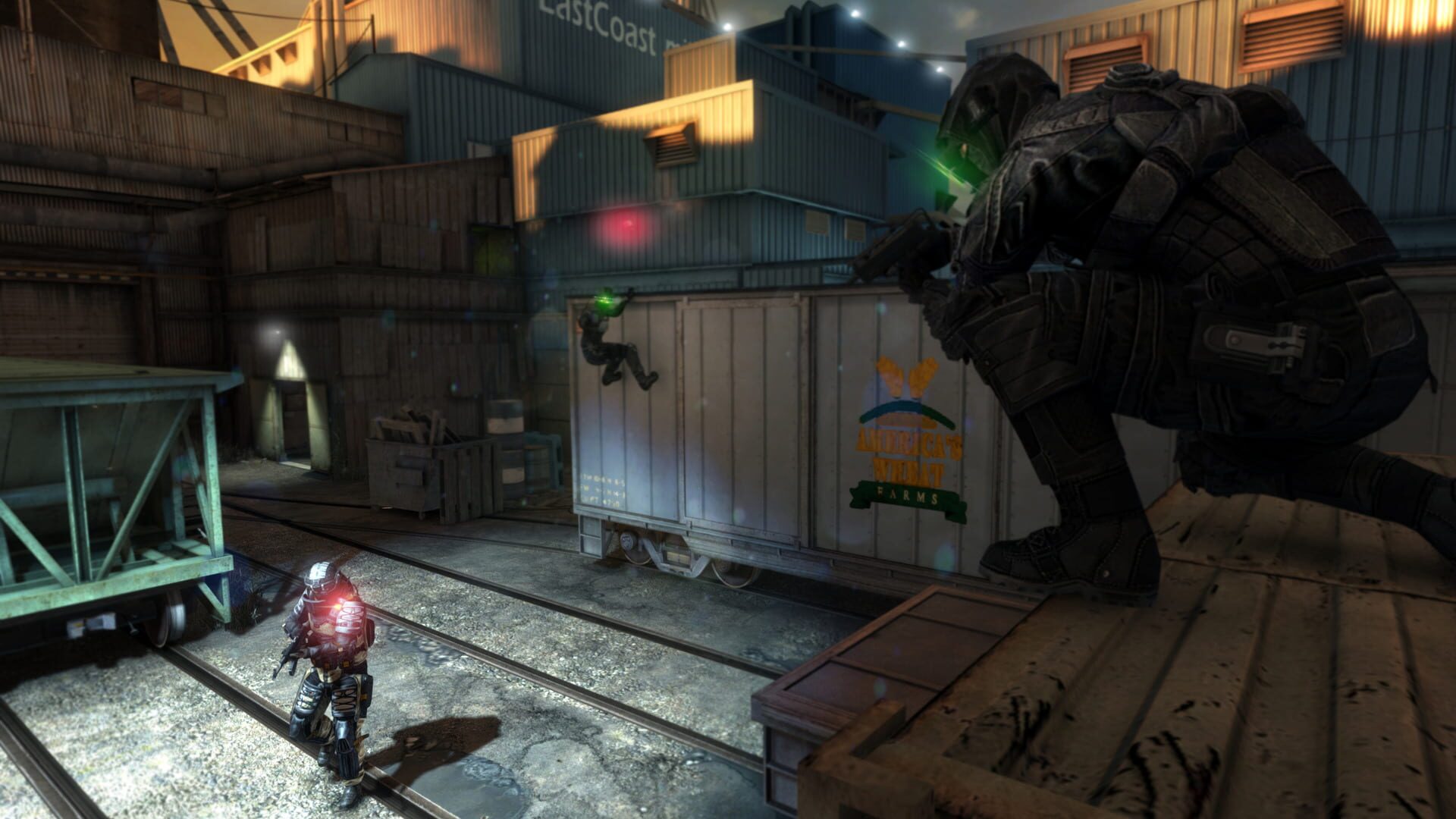
Regardless of all this story mumbo-jumbo, the casual gamer is probably wondering about the action, gameplay, explosions, hot chicks and multiplayer. Fortunately for you, Blacklist has all of that. The gameplay within the story, and in just about every other multiplayer mode, condenses into three potential playing styles: Ghost, Panther and Assault. Ghost narrows down to sticking to the shadows and avoiding detection at all costs. Panther is essentially killing or taking enemies out from the shadows, while Assault is straight up neglecting the shadows and shooting everyone in sight. The player earns points in each that accumulate into a lump sum of money used to purchase the orgasmic amounts of gear that Tom Clancy fans love about the Clancyverse. The mechanics work much like a free-flowing point-and-click cover system: Sam gets behind cover, looks at another piece of cover, the player clicks a button, and Sam does a quick little shimmy to that piece of cover. The enemies, when undisturbed, follow a systematic path while the player slips in between the gaps. This system works well in a stealth atmosphere but truly falls apart during a firefight; in fact, you’ll really feel how poorly constructed it is when the campaign forces you into predetermined firefights, or when you’ve been discovered and must shoot your way out. Although the diversity of rewards for different playstyles is appreciated, it focuses too much attention on the Panther playstyle. It’s the easiest and most common playstyle, but its emphasis can hinder the experience for players who enjoy playing as Ghost or Assault. The evidence appears both in the predetermined campaign firefights and the clunky firefight mechanics (however, keep in mind that there is a Perfectionist difficulty for players who don’t want to play Blacklist in full stealth).
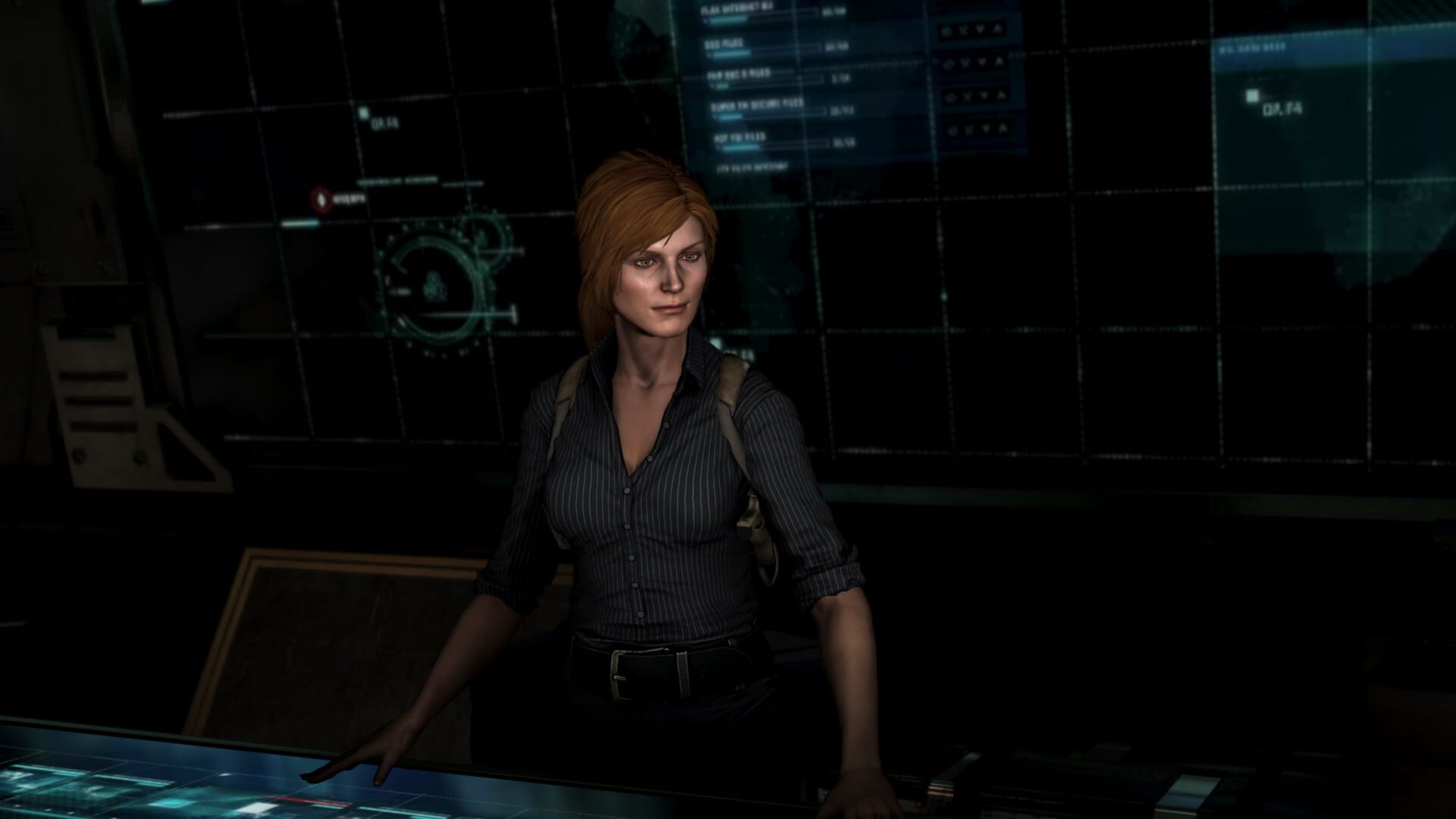
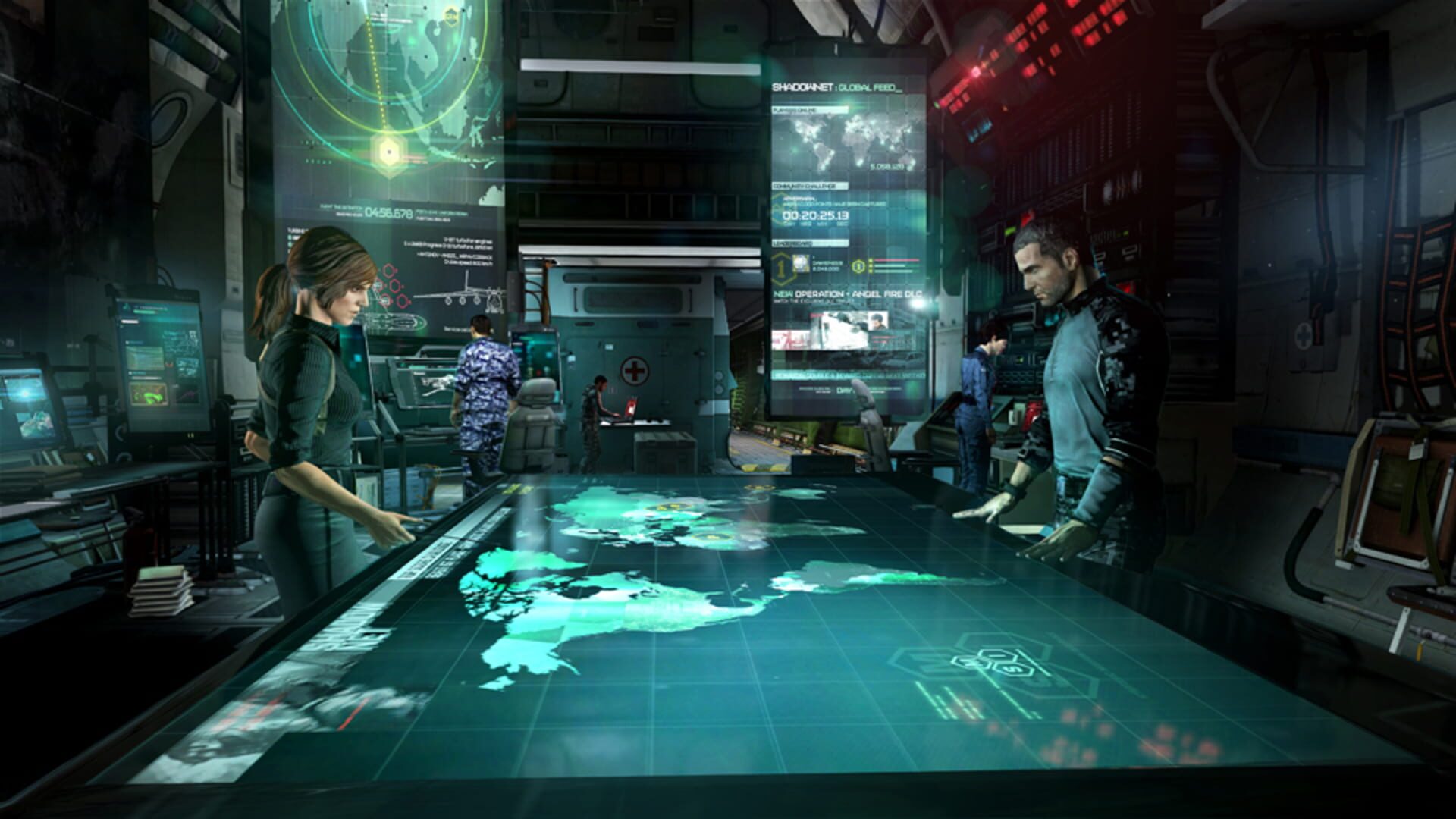
Multiplayer and alternative game modes can be accessed on the Paladin (the airplane HQ) from each individual character on board. The side missions are as follows: Anna Grimsdottir, Sam’s long-suffering commander, assigns a ream of stealth challenges that have Sam sneaking into buildings and planting bugs, instantly failing if he gets spotted even once; Charlie, a cool young tech-whiz character who wears a hoodie and calls his friends his peeps, offers a series of survival-based challenges that have Sam and an optional-but-basically-necessary co-op partner surviving 20 increasingly difficult waves of enemies while waiting for extraction; Kobin, an arms dealer who becomes Sam’s prisoner after the first mission, assigns a number of terrorist-hunt level-clearing assignments; and Briggs, a hotheaded new addition from the CIA, offers a short campaign’s worth of co-op-only missions that are closer to the single-player story missions, except designed for two people. These missions are engaging and really bring the co-operative gameplay players loved from Chaos Theory to life, but they ultimately suffer from the same mechanics as the rest of the game. There is also the fact that split-screen co-operative play forces the second player to play as a guest, voiding them of acquiring any co-operative achievements or trophies. Oh, and if you’re looking for eye-candy, Anna Grimsdottir got a foxy makeover, so if you’re into that, there’s that too.
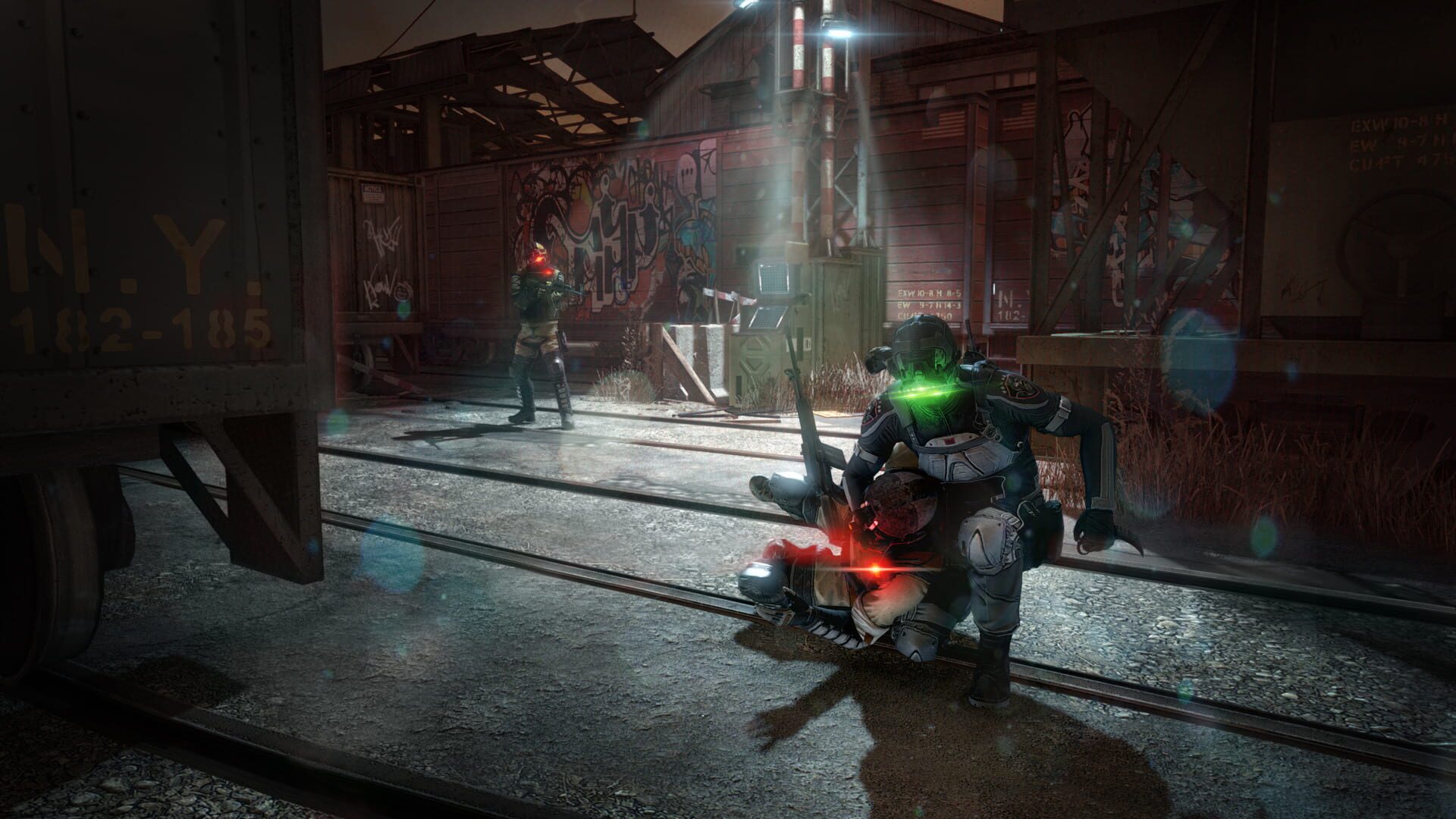
As for the multiplayer, Blacklist borrows the beloved Spies vs. Mercs game mode from Pandora Tomorrow and tweaks it a bit. The most notable game mode is Spies vs. Mercs Classic: spies must sneak around and hack terminals while mercs run around trying to take them out. Mercs are big, lumbering enemies holding powerful assault rifles but limited to a first-person perspective, while the spies are carbon-copied Sam Fishers with a bit less gadgetry. The other game modes can be fun, but classic simply can’t be beaten; there’s nothing better than the cat-and-mouse gameplay of spies hacking a terminal and the mercs coming running to investigate and defend. The spies, as of launch, are a bit overpowered with their close-proximity insta-kills, but I’m sure Ubisoft will fix a few things in time, so what may be unbalanced now might be fixed in later updates.
Cumulatively, Splinter Cell: Blacklist is a decent addition to the franchise and a good final addition to the end of the console generation. It brings together what gamers loved and puts it all in one good game. It offers new players a chance to join in the fun and really brings the Splinter Cell we’ve come to enjoy back to life. The only thing I had hoped for was something different from the usual mould of Tom Clancy games. Maybe in time, though, that might just change. It’s a strong game with mechanics that fit most playstyles, but it isn’t anything revolutionary or groundbreaking. I can’t say that I’d suggest players buy it new, but it’s certainly worth looking into. It’s fun, and an excellent collaboration of the things gamers loved about Splinter Cell (with the exclusion of Michael Ironside’s voice).
A solid, enjoyable Splinter Cell and a good capstone to the console generation, with excellent Spies vs. Mercs multiplayer and three viable playstyles. Shaky firefights and a Sam Fisher stripped of Michael Ironside's edge keep it from greatness.
A PC, Xbox 360, PS3 or Wii U with the disc.
Available on Steam; playable on Xbox via backward compatibility.
| Platform | PC · PlayStation 3 · Wii U · Xbox 360 |
| Released | 2013 |
| Developer | Ubisoft Toronto |
| Publisher | Ubisoft |
| Genre | Action |
| Reviewed | September 16, 2013 |