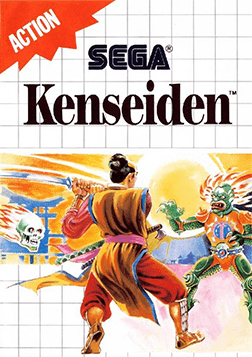
Kenseiden
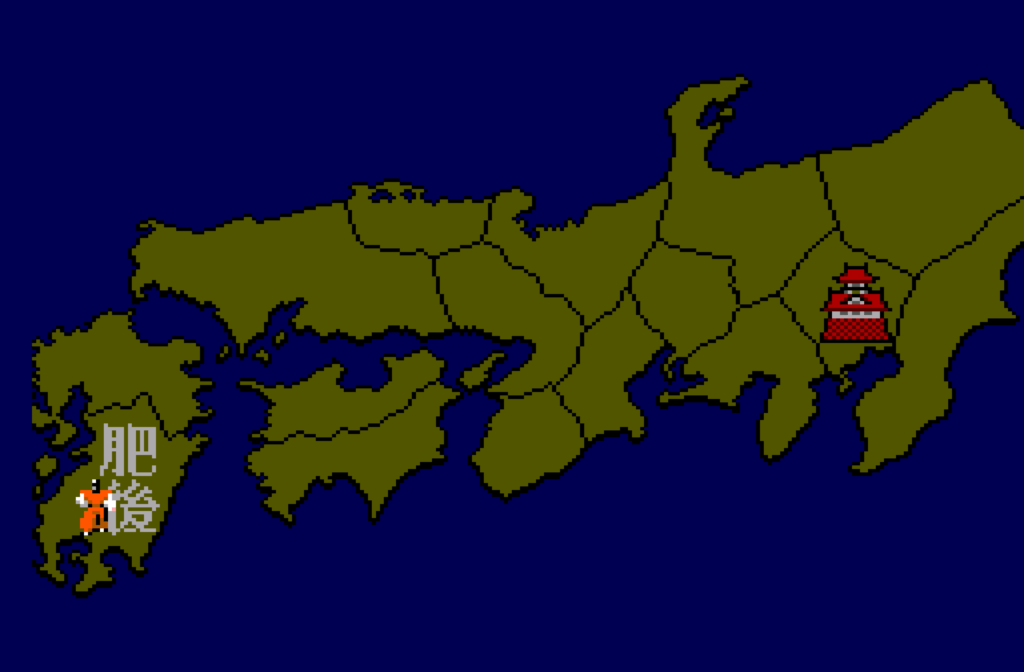
Back in the late 80s, if you were a Sega kid, you were constantly looking for your system’s answer to Nintendo’s heavy hitters. Kenseiden is Sega taking a swing at Castlevania, swapping out gothic castles and whip-cracking for feudal Japan and samurai swordplay. You play as Hayato, a warrior trekking across the country to slay demons and learn new sword techniques. It is a very cool premise on paper, and popping this chunky black cart into your Master System feels like you are about to embark on an epic quest. The reality is a little more complicated, mostly because the game decides to punish you before you even really get started.
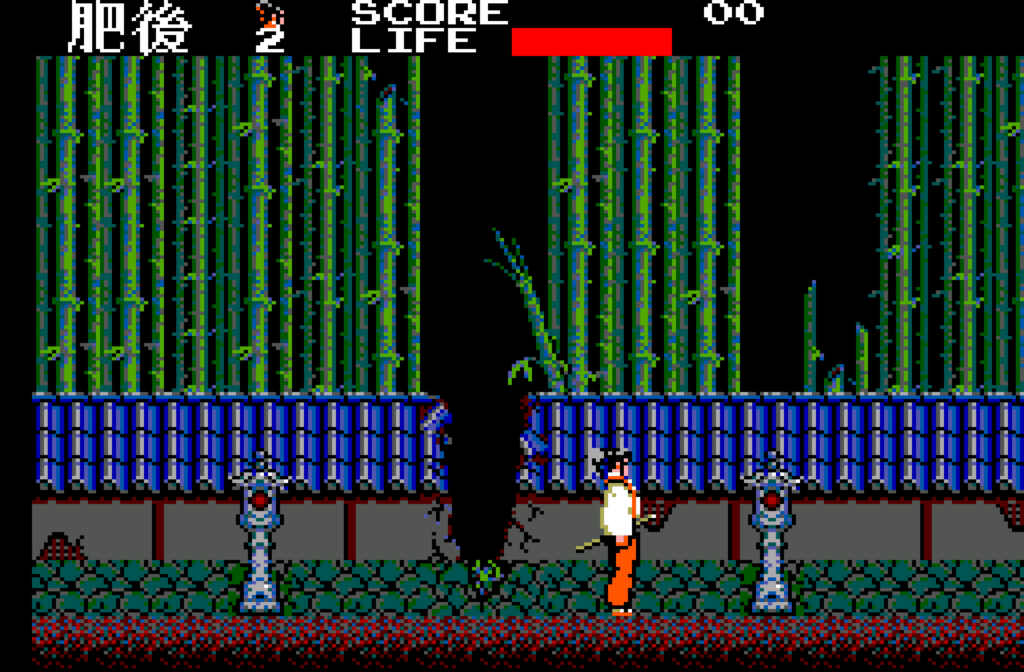
Gameplay Let’s get right to it: Kenseiden is hard. Honestly, it is harder than Castlevania in the early levels, which is really saying something. You walk into this game expecting a fair fight and the stage design just eats your lunch. The enemy placement is ruthless, and Hayato’s controls have that distinct late-80s Sega stiffness. If you jump at the wrong time, you are dead. The enemies are strange, too. You are fighting these bizarre, quirky monsters that feel a bit out of place in a historical Japanese setting, but I guess it works out okay in the end because it gives the game its own weird identity. You just have to accept that you are going to die a lot while you learn the patterns.
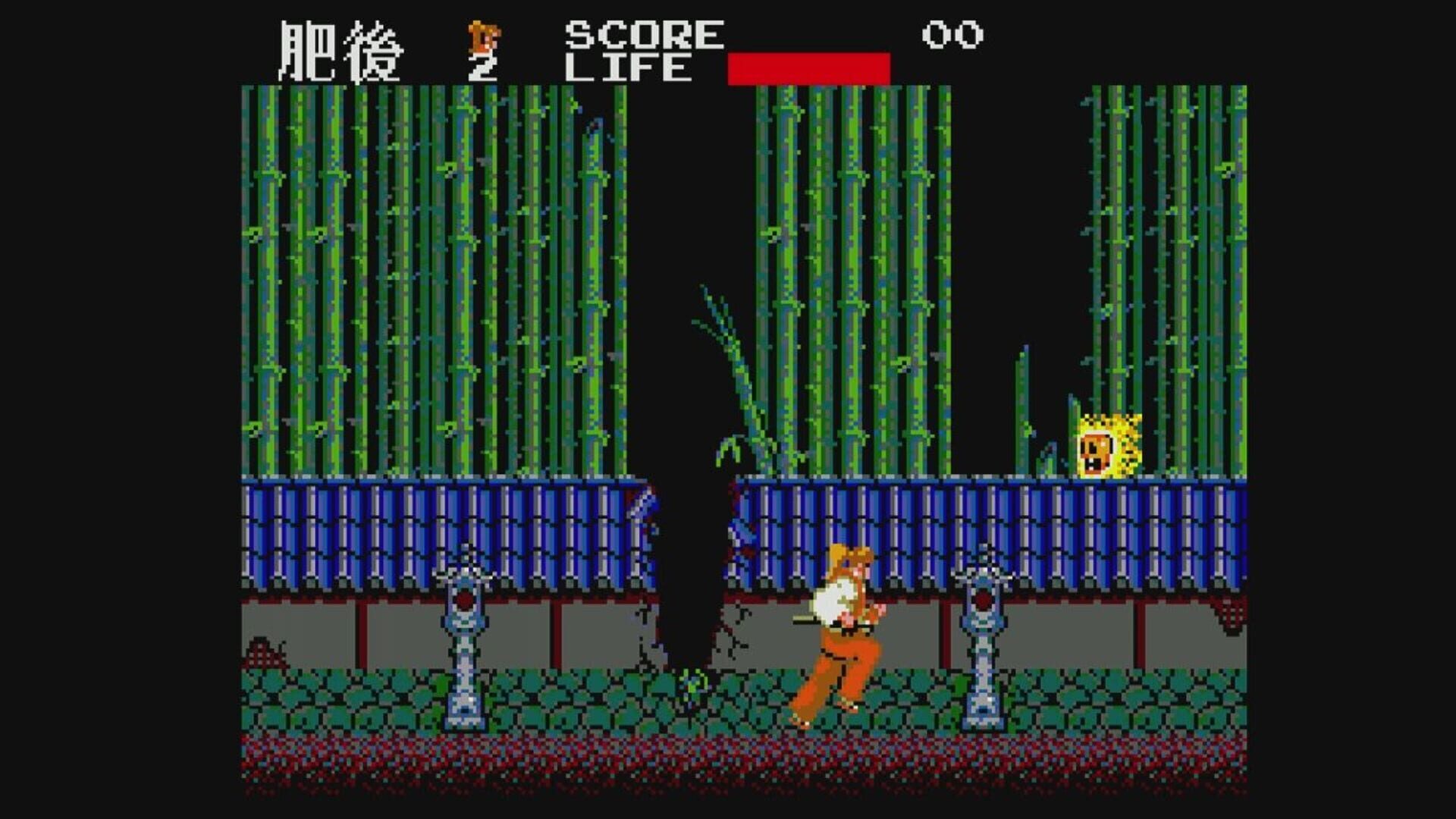
Graphics & Sound Graphically, this game is a showpiece for the SMS. For its time, the bamboo forests and blue shrine rooftops look incredible on a CRT, pushing the hardware well past what the NES was doing with color palettes. Let’s talk hardware for a second. The SMS could push 32 simultaneous colors on screen from a total palette of 64, while the NES maxed out at 25 on-screen colors from a pool of 54. More importantly, the SMS allowed up to 16 colors per sprite compared to the NES limit of 3 (plus transparency). That is why Hayato and the bosses look so incredibly detailed and vibrant. It is actually a funny piece of retro irony when you look at the 16-bit generation, where the roles completely flipped and the Genesis was the one eating dust against the SNES and its massive 256-color on-screen displays. The sound side of things is a bit more middle-of-the-road. The music has a fast chiptune beat that definitely pushes up your heart rate when the action gets heavy, but the tunes themselves are not exactly catchy. They serve their purpose, keeping you tense, but you probably won’t be humming them after you turn the console off.
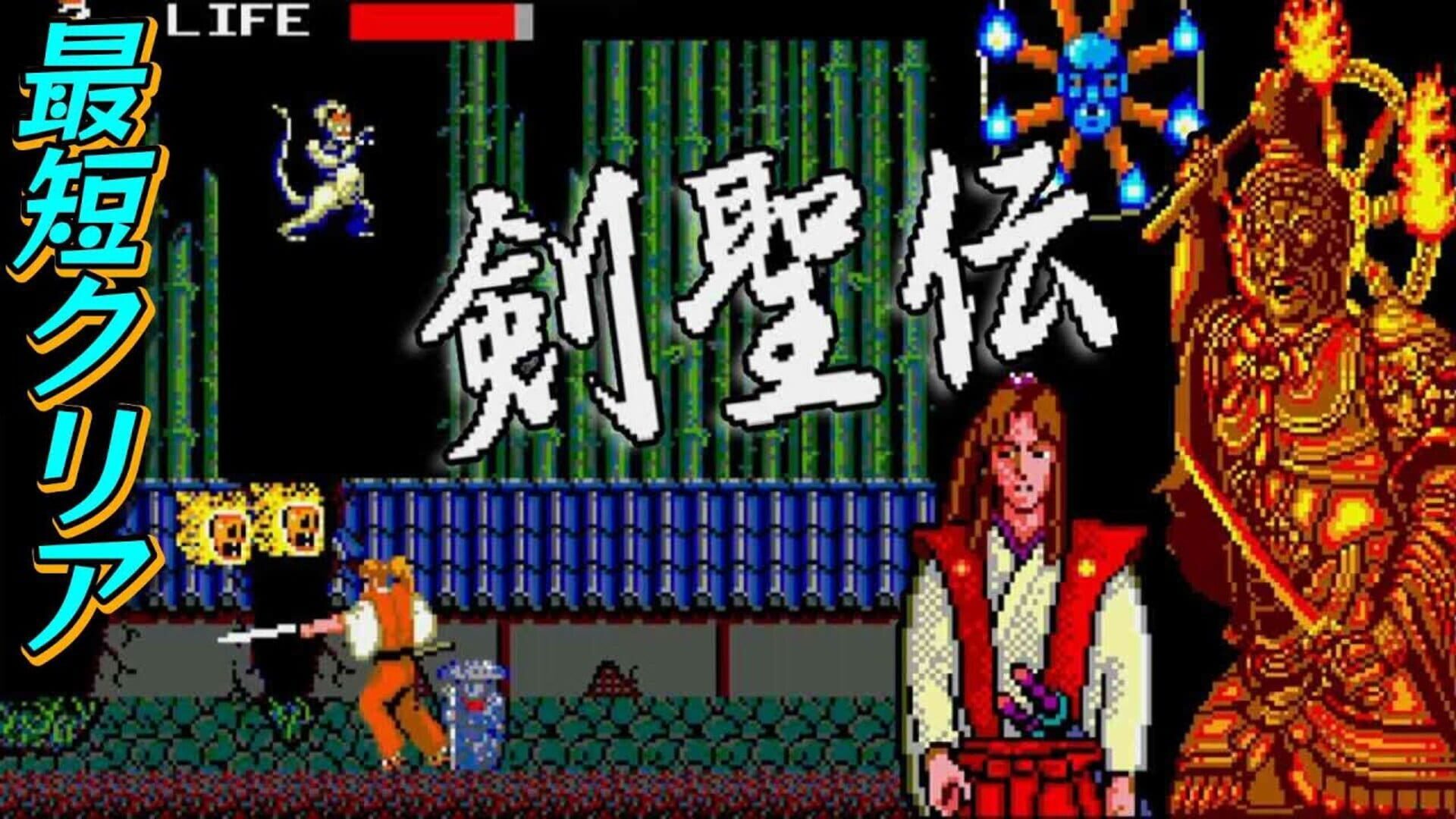
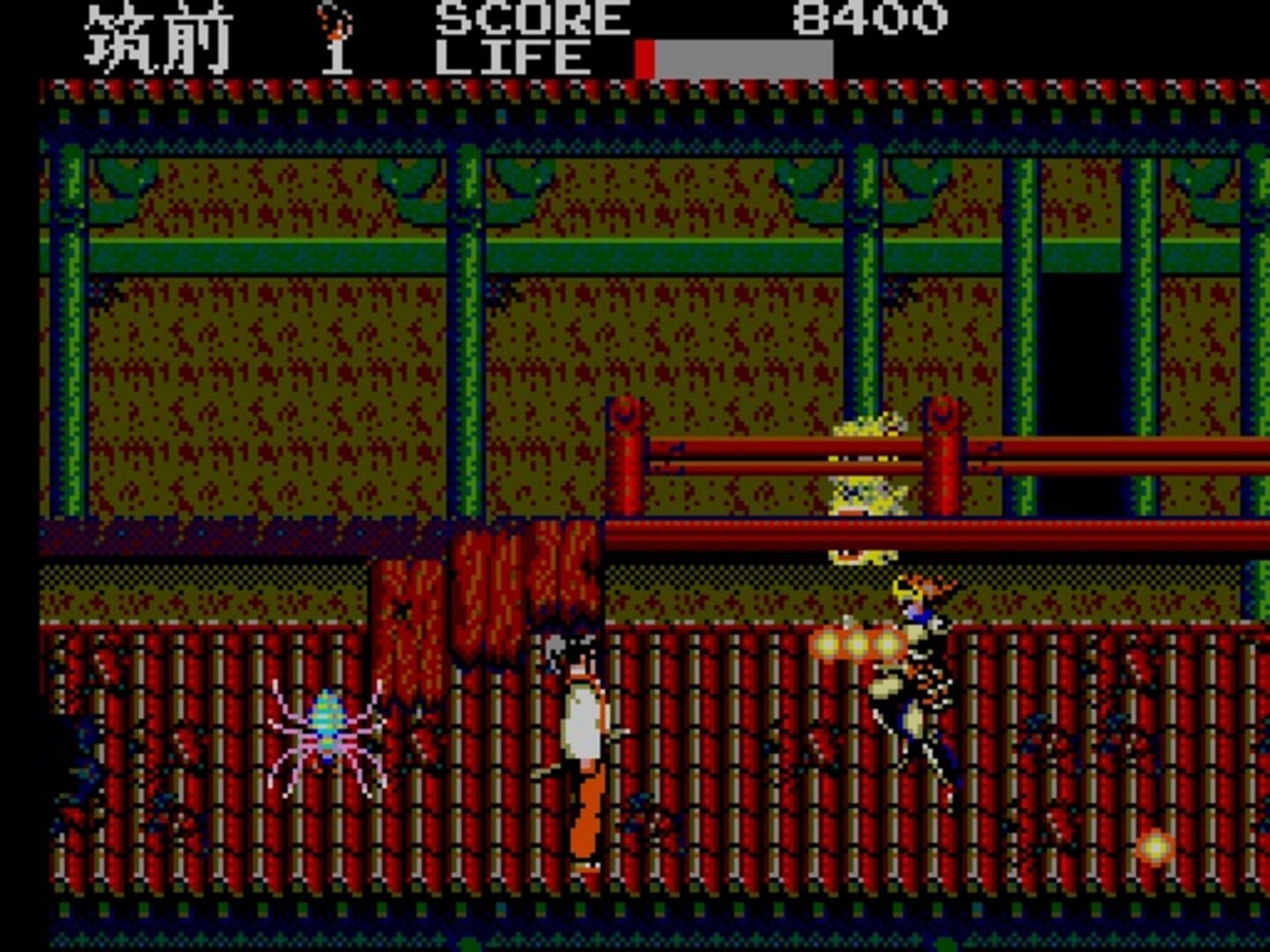
Kenseiden is an okay game for its time. It is quirky, it is brutal, and it is full of that unique Sega style from the late 80s. It does not reach the heights of Castlevania, mostly due to unfair difficulty spikes and stiff controls, but it is worth playing to see the Master System push its color limits.
| Platform | Sega Master System |
| Released | 1988 |
| Developer | Sega |
| Publisher | Sega |
| Reviewed | May 20, 2026 |