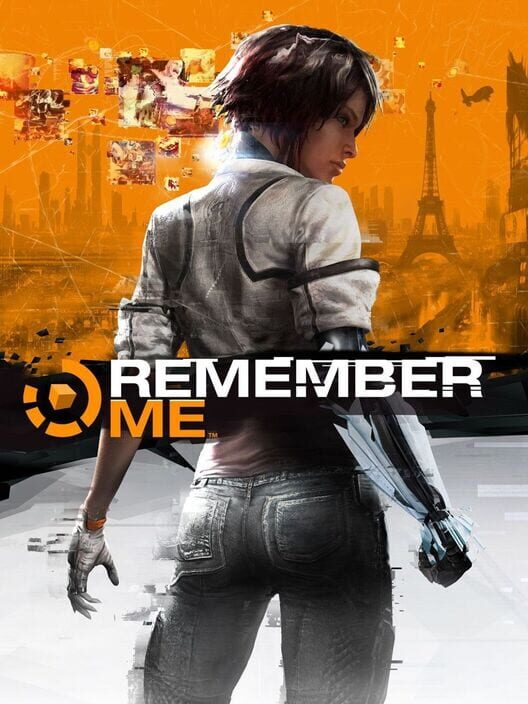
Remember Me
Remember Me has been received with relatively mixed reviews. Many praise the game’s story and ingenuity while criticising its mechanics and features. That’s all well and good, but what many critics are neglecting is that Remember Me is an iconic, and likely to be neglected, step for the cyberpunk genre. You may be asking yourself, what is cyberpunk? It was a word coined by Gardner Dozois to describe William Gibson’s 1984 novel Neuromancer, which is often regarded as the archetype for most cyberpunk work. The genre focuses on high technology, such as information technology and cybernetics, wrapped around conflicts among hackers, AIs and megacorporations that potentially bring a degree of breakdown or radical change in the social order. But you could’ve looked all of that up on Wikipedia and found the same thing, so why am I telling you this?
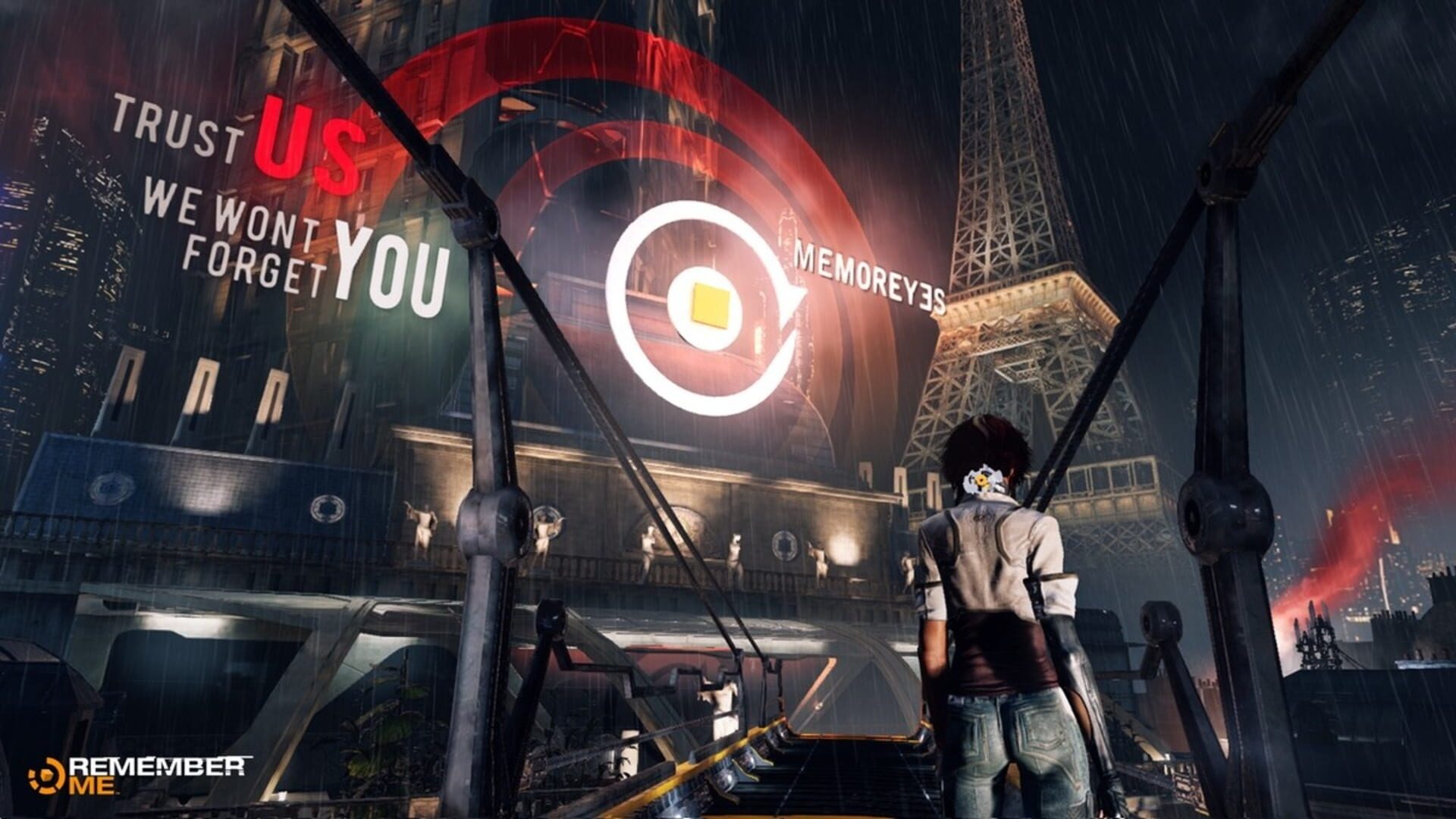
Remember Me fits perfectly into the archetype of the cyberpunk genre. The main character, Nilin, is an alienated cybernetic ‘mind hacker’ who has been manipulated into a situation she is forced to see until the end. With her mind almost completely wiped clean, Nilin works with the ‘Errorists’, a group of rebels, to discover who she is and was and to bring down Memorize, a megacorporation that virtually controls Neo-Paris with its memory-sharing and memory-erasing network. Cyberpunk protagonists are often tailored as a lone hero fighting injustice, but in most cases they aren’t heroes (that’s where the ‘punk’ part comes into play). They’re forced into their current situation without choice and don’t necessarily come out any better than they were before when all is said and done. Nilin fits perfectly into that archetype. She manipulates or ‘remixes’ another person’s memories to her will. She has the ability to control, steal and alter memories that can utterly transform an entire person’s personality, mindset and way of life into something more suitable to her cause. In most instances, she forces individuals to face the painful and false memories that she creates, which not only can change who that person is but also can kill them or make them kill themselves. To make a clearer correlation to Gibson, she is even crippled of her abilities (as is the protagonist in Neuromancer) and must regain them as she works to unravel herself and the truth.
Without giving away spoilers, Nilin embarks on a journey that even mimics the Gibson archetype for cyberpunk plotlines. The story brings about an atmosphere eerily similar to film noir. Cut-scenes of Nilin stopping for an inner monologue about her powers, actions and choices are consistent throughout the game. She works against a megacorporation that inflicts immense control over the citizens of the dystopian Neo-Paris with technology used beyond what the creators intended for it (namely Nilin’s ability to remix memories). So why does all this matter? What’s the big deal about Remember Me fitting into the genre of cyberpunk? The big deal is that cyberpunk is becoming a rather popular genre; in fact, I would go so far as to say it is potentially defining the next generation of gaming. With the immense anticipation for games like Watch Dogs, Tom Clancy’s The Division, Titanfall, Killzone: Shadow Fall, Mirror’s Edge 2 and even the blatantly titled Cyberpunk 2077, the cyberpunk genre has taken a strong foothold in the gaming community. Remember Me is the perfect first step toward the big leap into cyberpunk games, albeit one that does not come without its flaws.
The story may be a riveting tale of cyberpunk goodness, but the mechanics of the game can be a bit frustrating. The combat system works similarly to that of Batman: Arkham Asylum and Arkham City. Remember Me mixes up the gameplay by including the Combo Lab, which lets players customise combos based on health regeneration, damage, combo chaining and cool-down periods. With over 50,000 possible combinations, the combat system can be an in-depth adventure into Nilin’s abilities; however, this can also cause a player to find a set of combinations and use nothing else. The game does attempt to mix up enemies to force you to try new combos, but in most cases it’s not hard to stick with your original development. The game also utilises a climbing feature similar to that of Assassin’s Creed or Tomb Raider. They are like any other platformer, with a predetermined set path of obstacles and ledges highlighted for your convenience. The issue isn’t necessarily the linear path of ledges but the camera angles. The game sticks heavily to the cyberpunk nature in stylising gameplay, combat and the environment, but the cinematic and awkward angles can confuse player controls and make it a disorienting and frustrating experience.
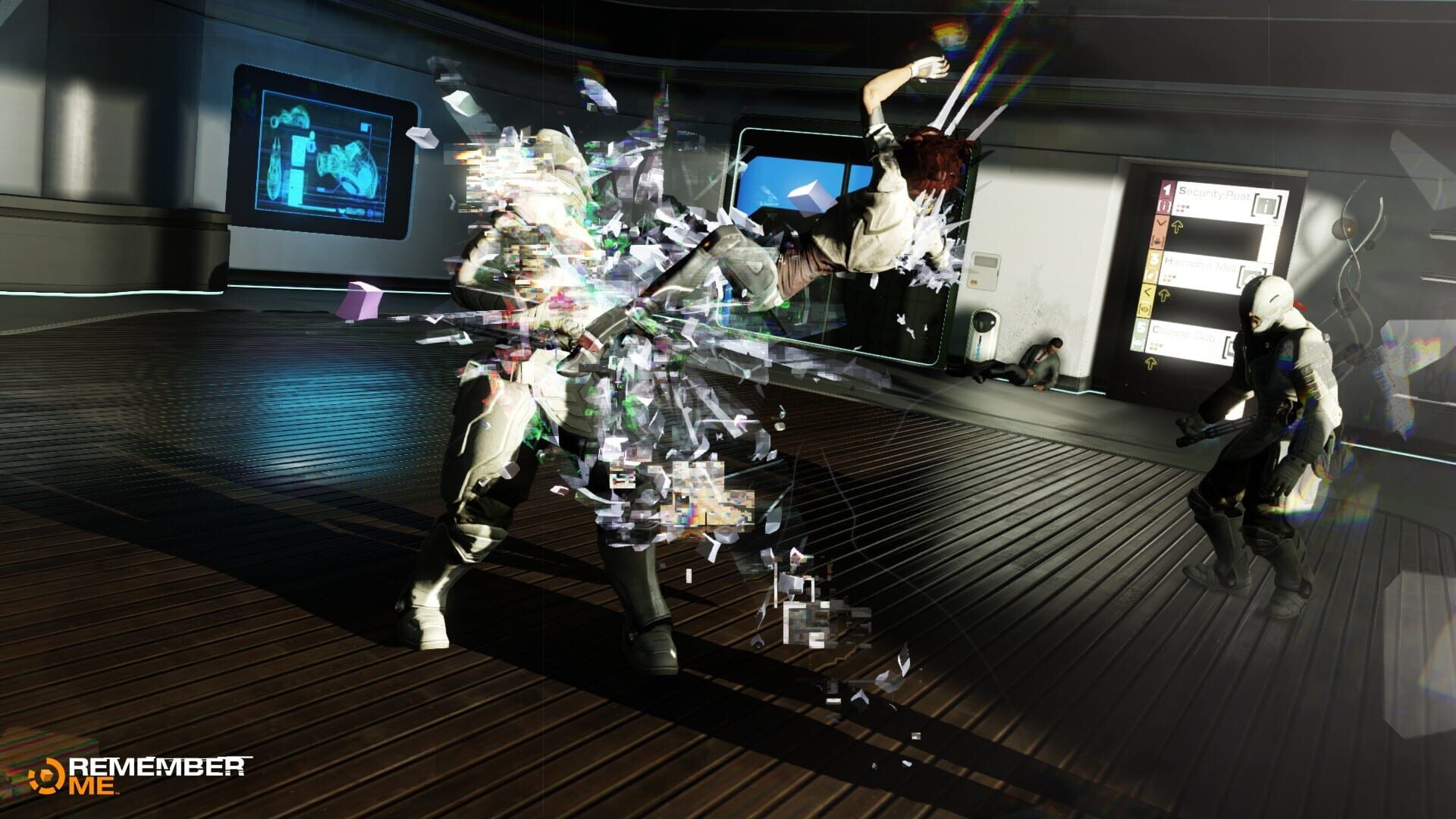
The benefit of the exploratory platforming feature is the overall exposure to the environment. Advertisements, signs, noises, buildings and everything else you can imagine really enhance the experience. Heck, even the fighting has its own artistic pleasure. When Nilin is low on health, the screen begins to glitch, fragment and become static-like until the player has regained health. Not to mention that, alongside combat, exploration and even dialogue, there is a killer and distinct musical score happening alongside everything. To be fair, Remember Me is a hidden gem that has most likely been lost in the haze of blockbusters and next-generation announcements. It may not be the perfect game mechanics-wise, but it introduces gamers to one hell of a cyberpunk experience. It is honestly a strong title for the genre, and it certainly deserves more recognition than it’s been given.
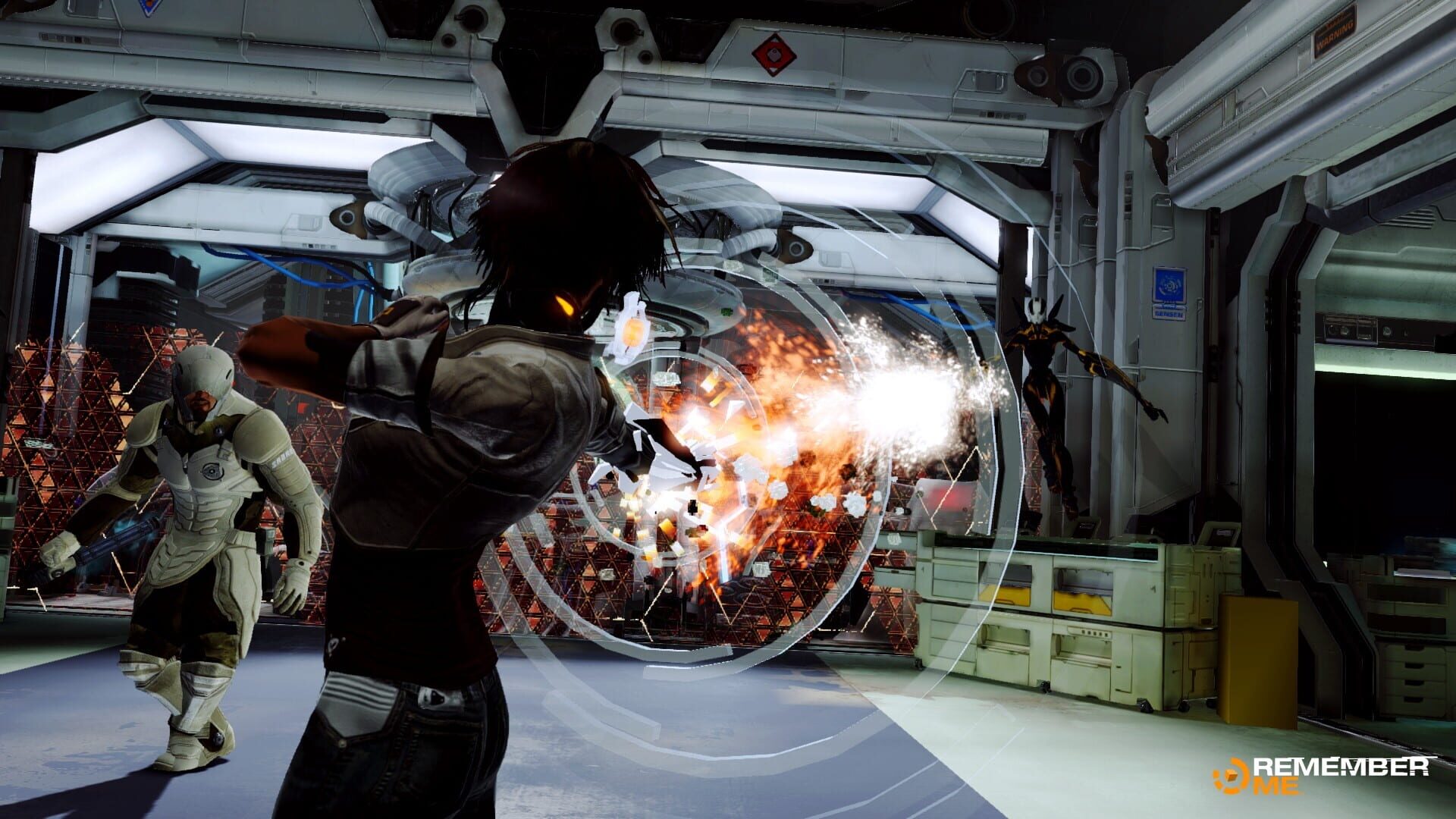
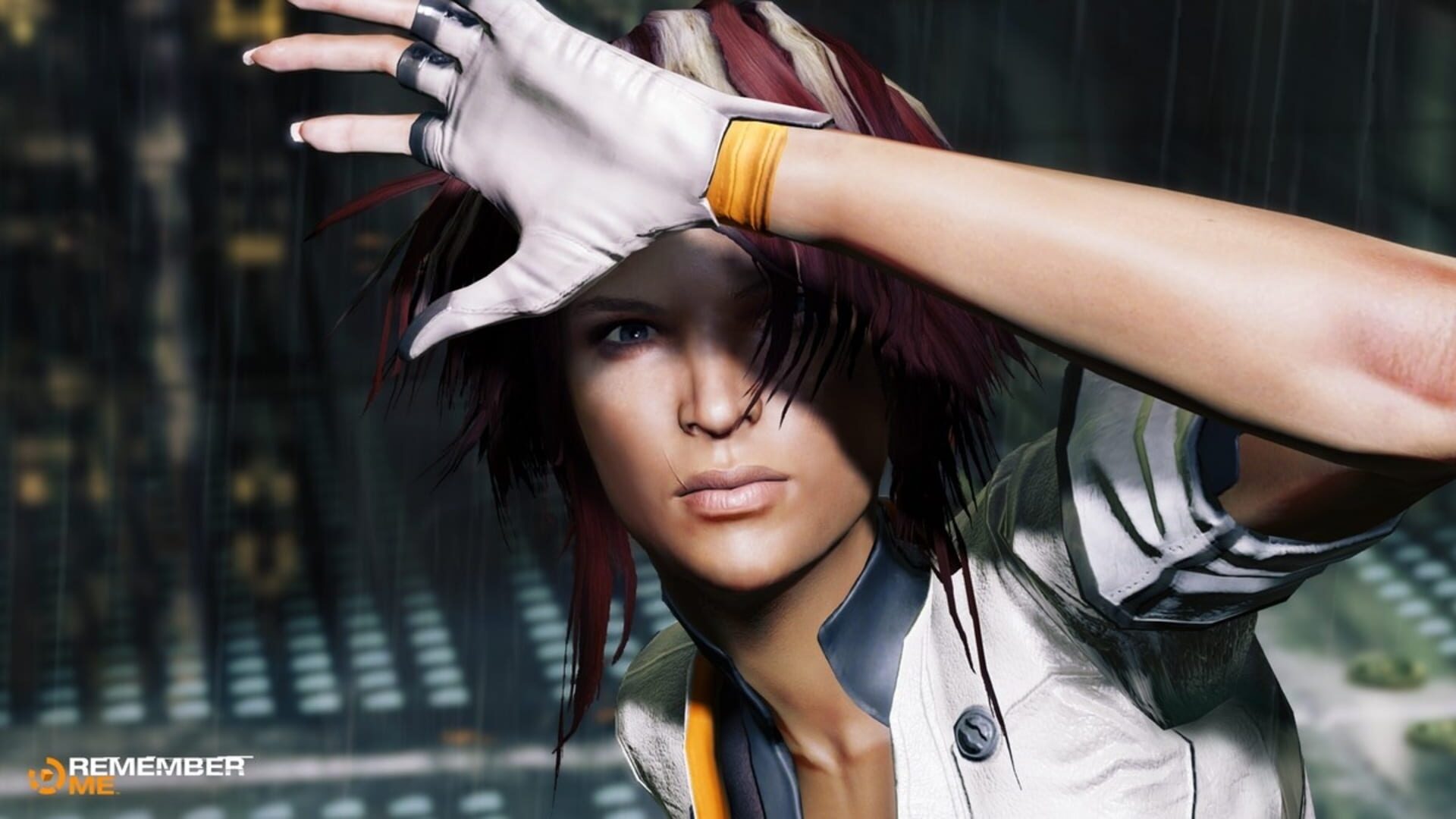
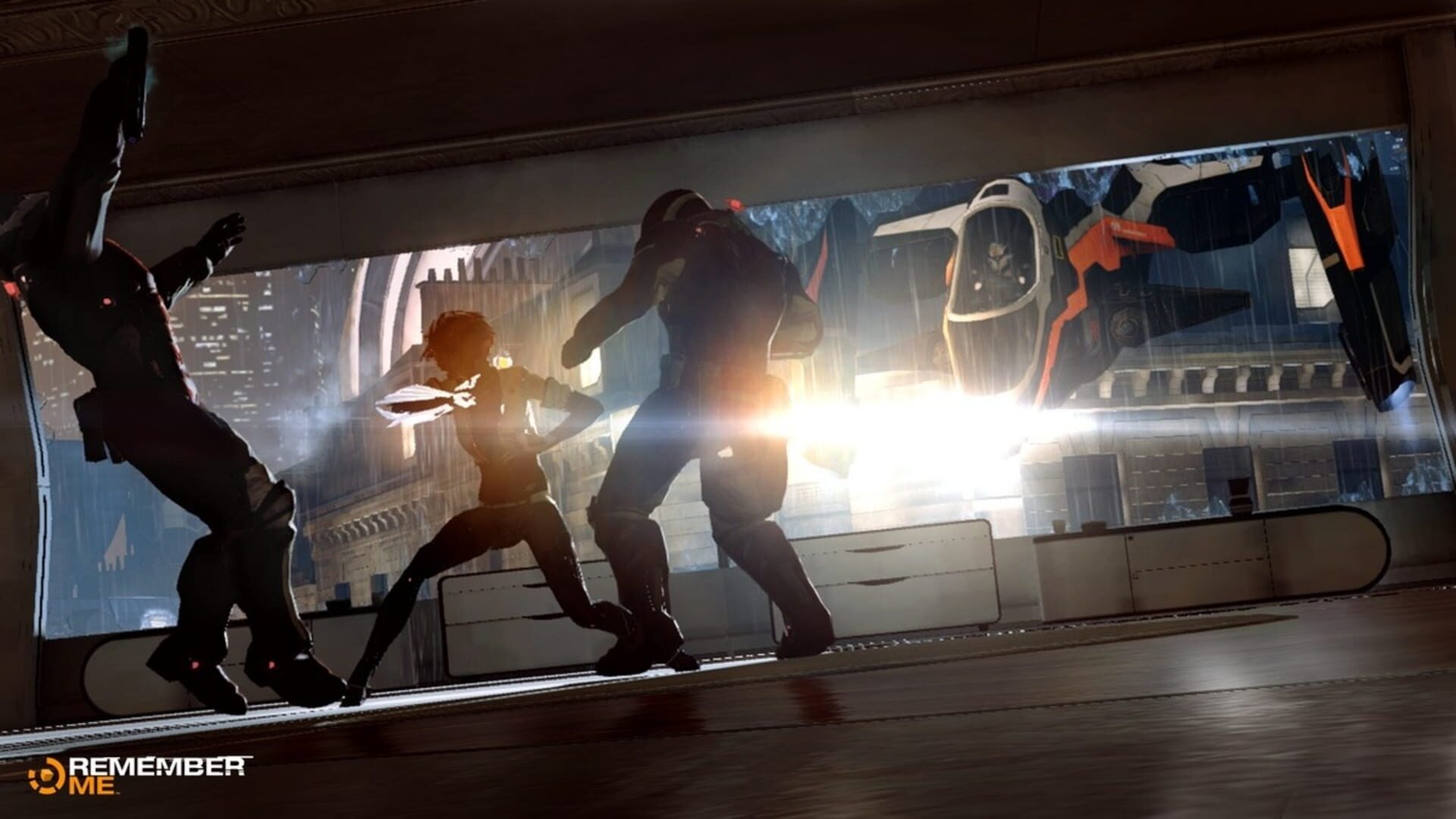
A hidden cyberpunk gem with a riveting, noir-tinged Neo-Paris story, a striking memory-remixing premise and a killer score, held back by an awkward camera and combat that lets you coast on one build. A strong, underrated step for the genre.
An Xbox 360, PS3 or Windows PC with the disc.
Available on Steam and via backward compatibility on Xbox.
| Platform | PC · PlayStation 3 · Xbox 360 |
| Released | 2013 |
| Developer | DONTNOD Entertainment |
| Publisher | Capcom |
| Genre | Action |
| Reviewed | June 4, 2013 |