Half-Life
There was once a time when we thought Wolfenstein 3D was the greatest game ever made. Then that all changed when Doom made its dark and glorious way to stardom. The endless clones that followed would soon flood and drown the first-person market. Very recently we began to see some light at the end of the tunnel, with games like Quake 2, Unreal, Delta Force, SiN and so on. The graphics got better, the action more intense, but the storylines, well, that was where first-person shooters failed to capture the player. The market needed something fresh, it needed the magic Wolfenstein once held over us. Even with ideas of what the perfect first-person shooter should be, nothing could have prepared us for what was about to hit the market: a game so original it would redefine what a first-person shooter should be. This shockwave would rock the industry, rattling its foundations, coming from a then-unknown company named Valve.
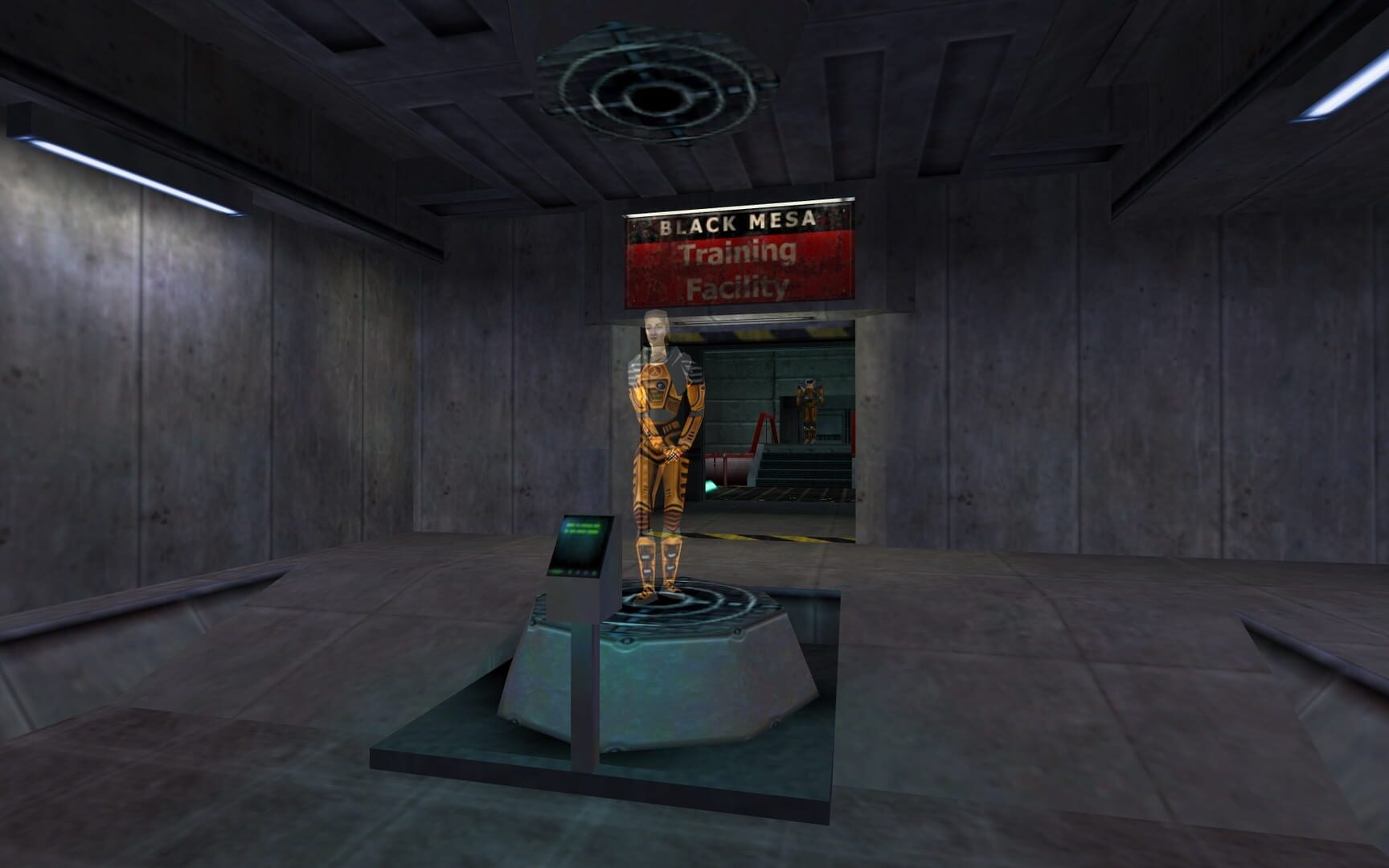
Half-Life is the perfect mix of action, strategy, graphics, sound and story. Right from the beginning it grabs you and doesn’t let go. You are Gordon Freeman, a theoretical physicist from MIT who works at the Black Mesa compound, a top-secret military complex. The game starts as you ride a tram car into the complex, one of the most overwhelming intros ever made. Half-Life has no cut scenes; the entire storyline is shown through the eyes of the player, and the animations are so versatile that there are “in-game cut scenes” throughout. You might turn a corner and find a helpless scientist being pulled into an air duct by some terrible alien, the sounds of cracking bones and tearing flesh enough to make your hair stand on end. As you explore your new surroundings, it suddenly hits you that you have no weapon. The first several minutes are spent just walking around trying to figure out where you’re supposed to go. After you find your H.E.V. suit (Hazardous Environment Suit), you head down to the test lab and begin your everyday job. In a failed attempt to make a “resonance cascade” (better known as the big green ball), Gordon is held responsible for opening a dimensional gate to an alien world. After another unique in-game cut scene, you find yourself in the rubble of what was the test lab, your coworkers throughout the complex killed by some strange alien force. As you search for an unknown solution and try to find your way out, you are a mile down, everything is nearly destroyed, and things couldn’t get any worse. You must reach the surface to alert someone that there are people trapped inside. As you progress, you hear scientists talking about a rescue mission coming, but delight as you might, you soon find yourself running from the so-called rescuers: these Special Ops, known as the “cleaners,” have orders to kill everyone in the complex, especially Gordon.
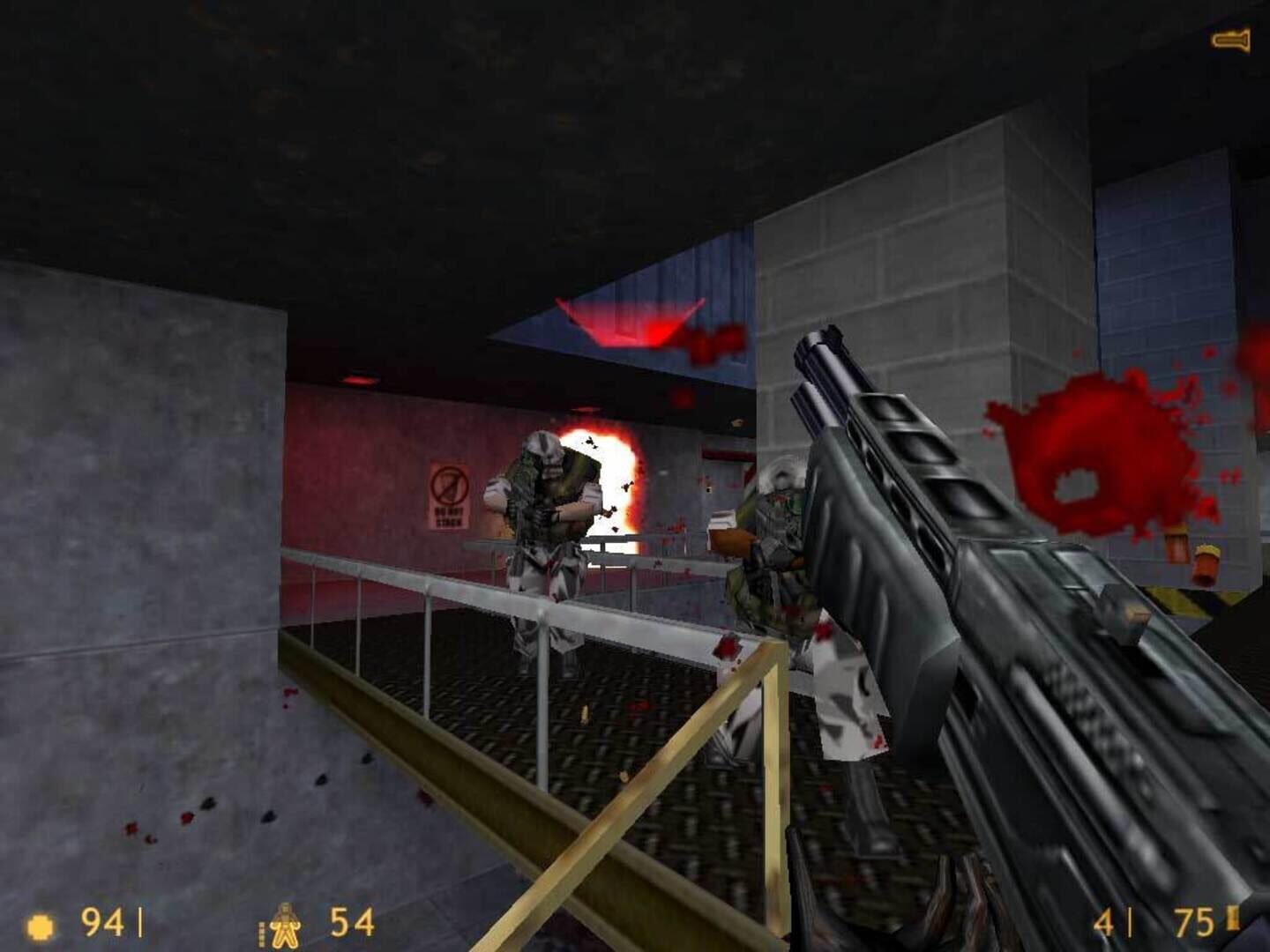
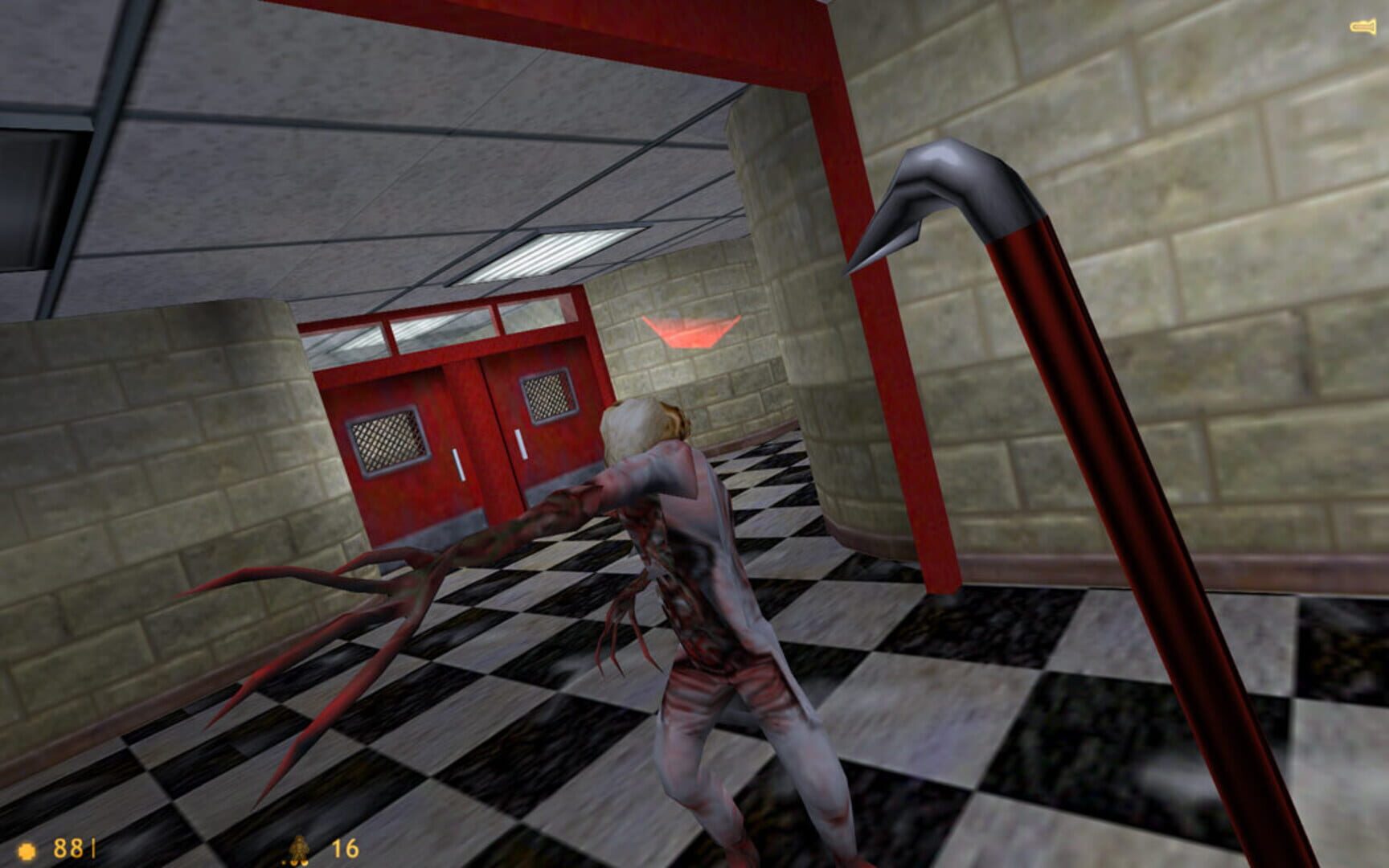
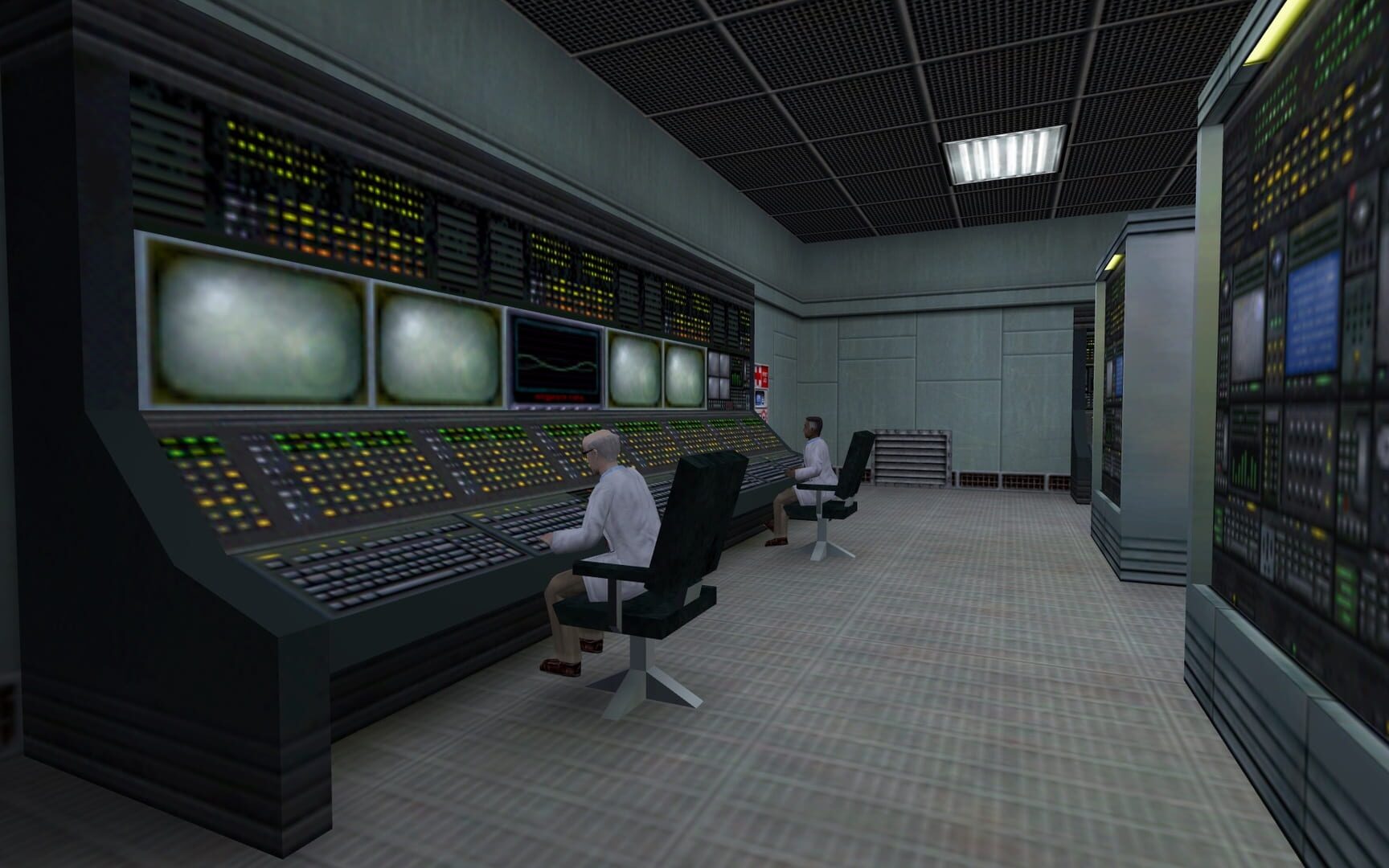
The scientists and security guards that are left walk up to you and strike up conversations, like in real life. You use them to open doors, and if you’re hurt, a scientist might be kind enough to give you a shot of health. They help as best they can, because the weapons you find are rare, to say the least, and you’re always finding yourself about to run out of ammo and having to fall back on your trusty crowbar. The weapons that abound in Half-Life are quite original, ranging from a .357 magnum to an alien claw that fires heat-seeking “bees.” Half-Life is also the first first-person shooter to incorporate a reload system: now when you run out of ammo for your MP5, you have to wait to load another clip, and you even have to reload your rocket launcher, which now holds only six rockets. You find yourself in air ducts more often than not, trying to find an exit while avoiding headcrabs (a basketball with legs and a big mouth) and other alien menaces. Stealth is key in Half-Life: whenever you crouch, your HEV suit goes into stealth mode, which becomes religion in multiplayer. There are about ten episodes, and the levels are divided into small chunks that load quite quickly.
Half-Life often has the feeling of being alive; it seems so real at times it’s scary. Even though it uses the Quake 2 engine, Valve has put so many little things into the game that it seems to have no faults, and it has so many small touches that make it great that they couldn’t all be covered. The animations are so fluid that even without a video card the graphics are breathtaking, and with one, it’s just about to the point of putting you in cardiac arrest; Half-Life supports just about every card on the market. The sound is just as good as the graphics: you’re always hearing whispers down the halls, the aliens chattering, or the garbled communications of the cleaners as they hunt you down, and I mean hunt. The weapons sound almost true to life, the loud blast of the .357 rattling your bones. The graphics and gameplay standards are so high that there’s nothing on the market today that even touches it with a ten-foot pole.
The multiplayer has been so greatly worked on that it breathes new life into first-person multiplayer. Now when you play “team,” the models are your teammates, with all the grunts on one team, all the scientists on another, and so on, and the stats are kept much better, showing both kills and deaths. The setup mirrors the simplicity of Battle.net: you can quick-start a multiplayer game, and the game searches for the fastest server in the area and logs you on, and if you create a game, people will actually come to it because of how simple the system is. The weapons of destruction are very adequate, but you’ll find yourself very dead if you think you can run and gun like in Quake, because the name of the game is stealth, and without it you’re dead meat.
There are a “few” things that could have been different or better, but that’s always the case. The scientists seemed to have the same faces, and the friendly characters just didn’t do as much as they should. Also, you need a pretty beefy piece of hardware to run this monster; even on a 233 it wasn’t as smooth as it should be. Yet this is still a very good, solid game, and if you’re one of those people (like myself) totally sick of first-person shooters, give it a good try, it may renew your faith in the market. Half-Life always has you guessing what will happen next, and probably has its fellow competitors guessing what to do next as well. This is truly “The Quake Killer.”
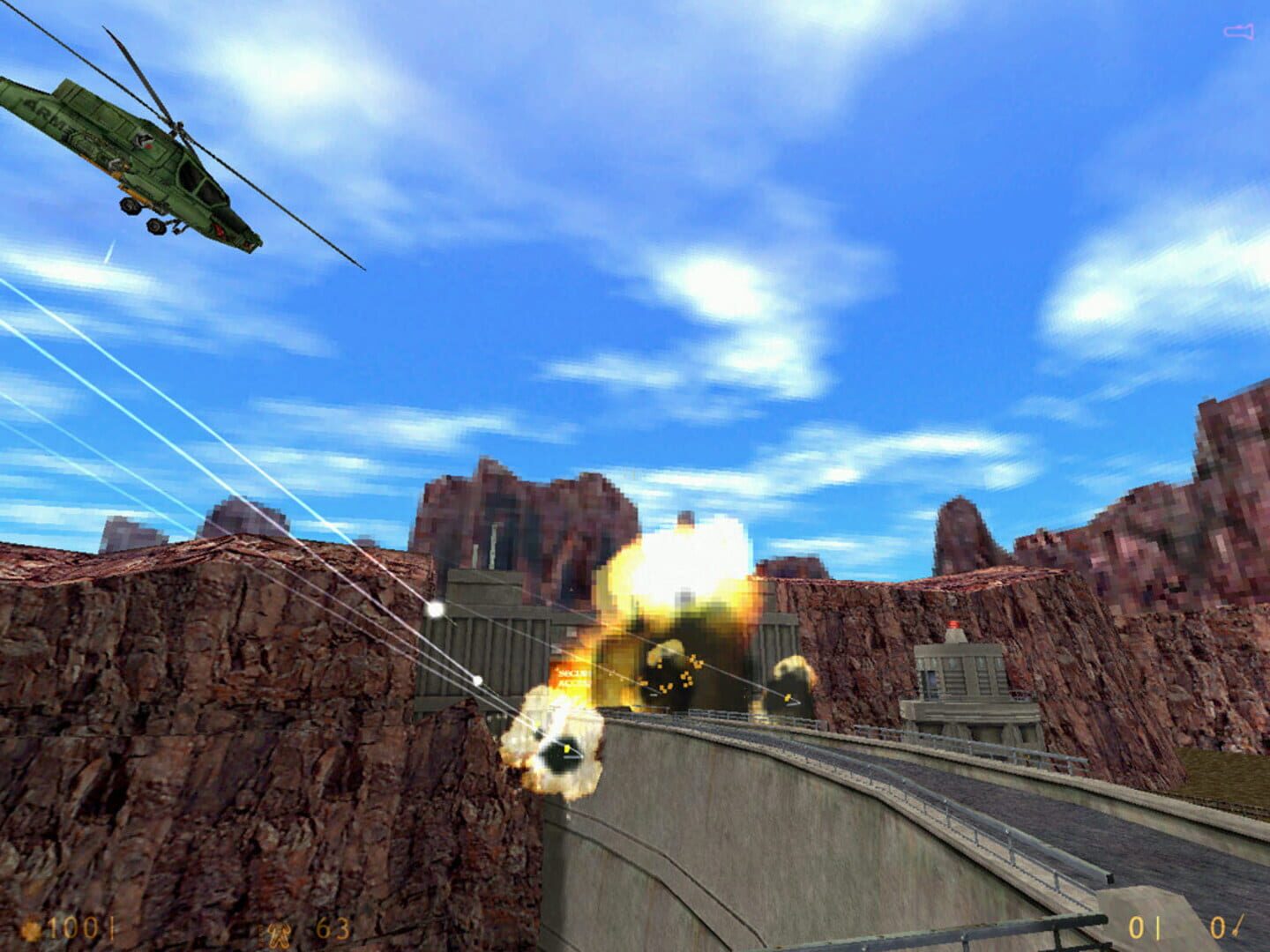
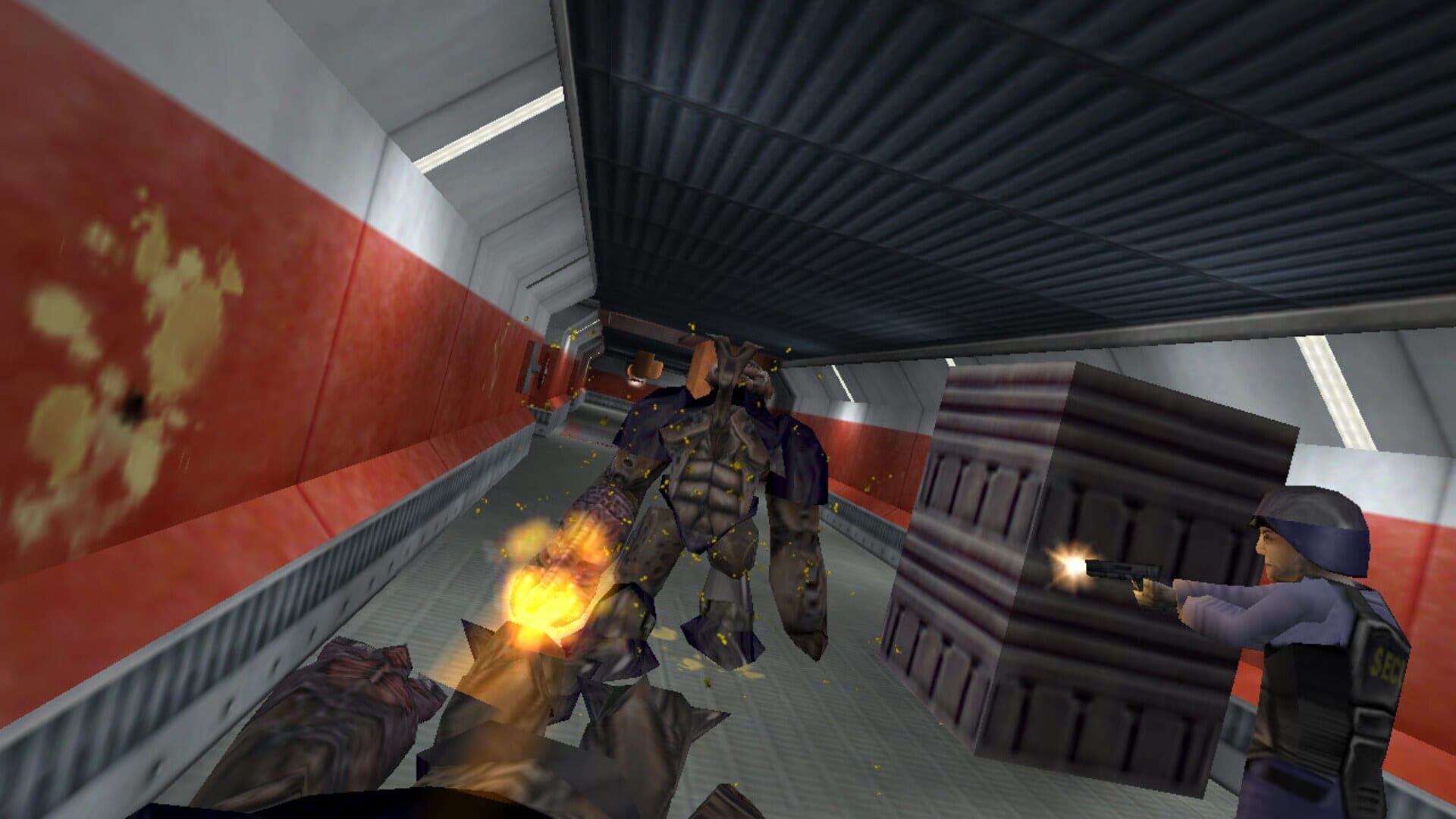
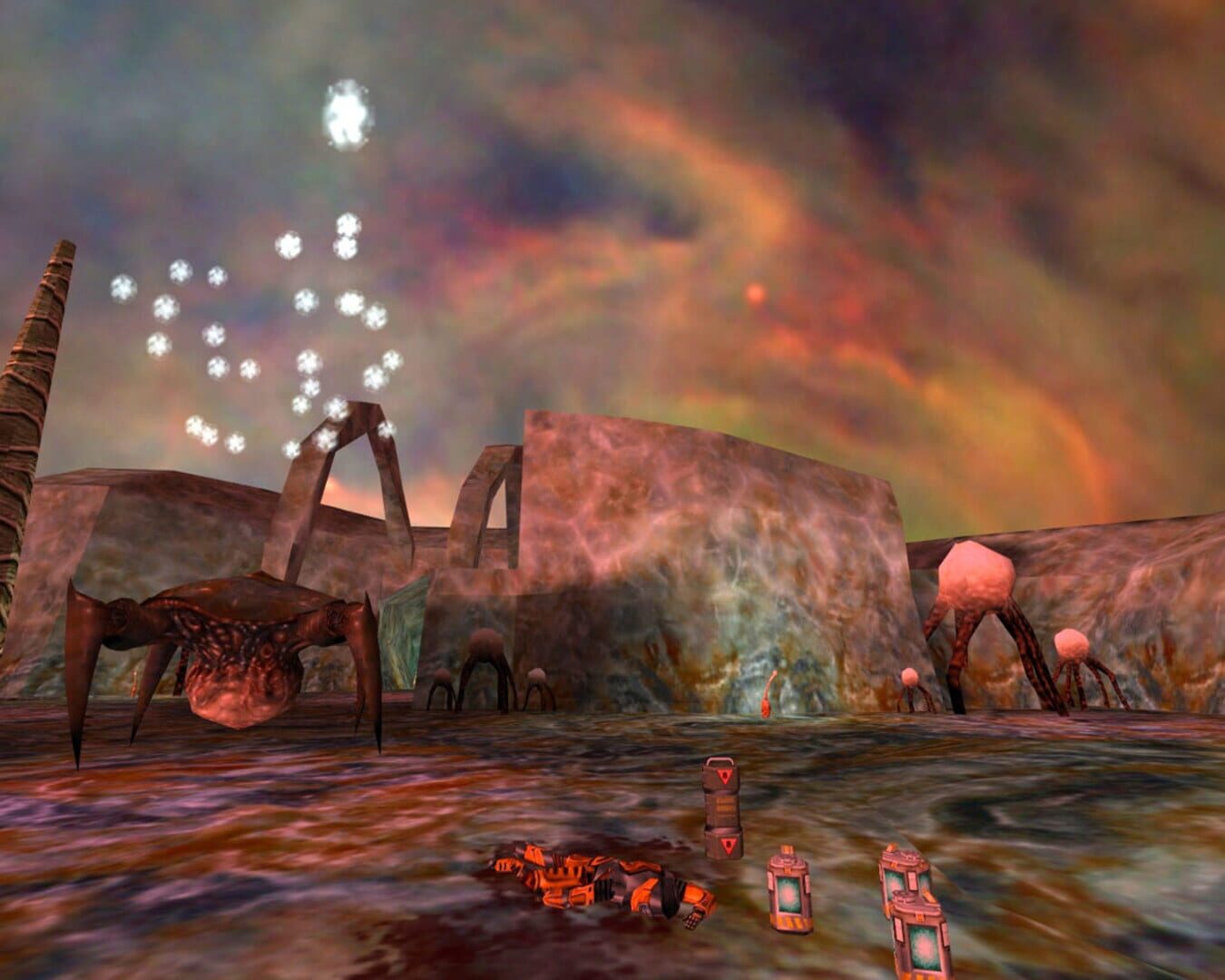
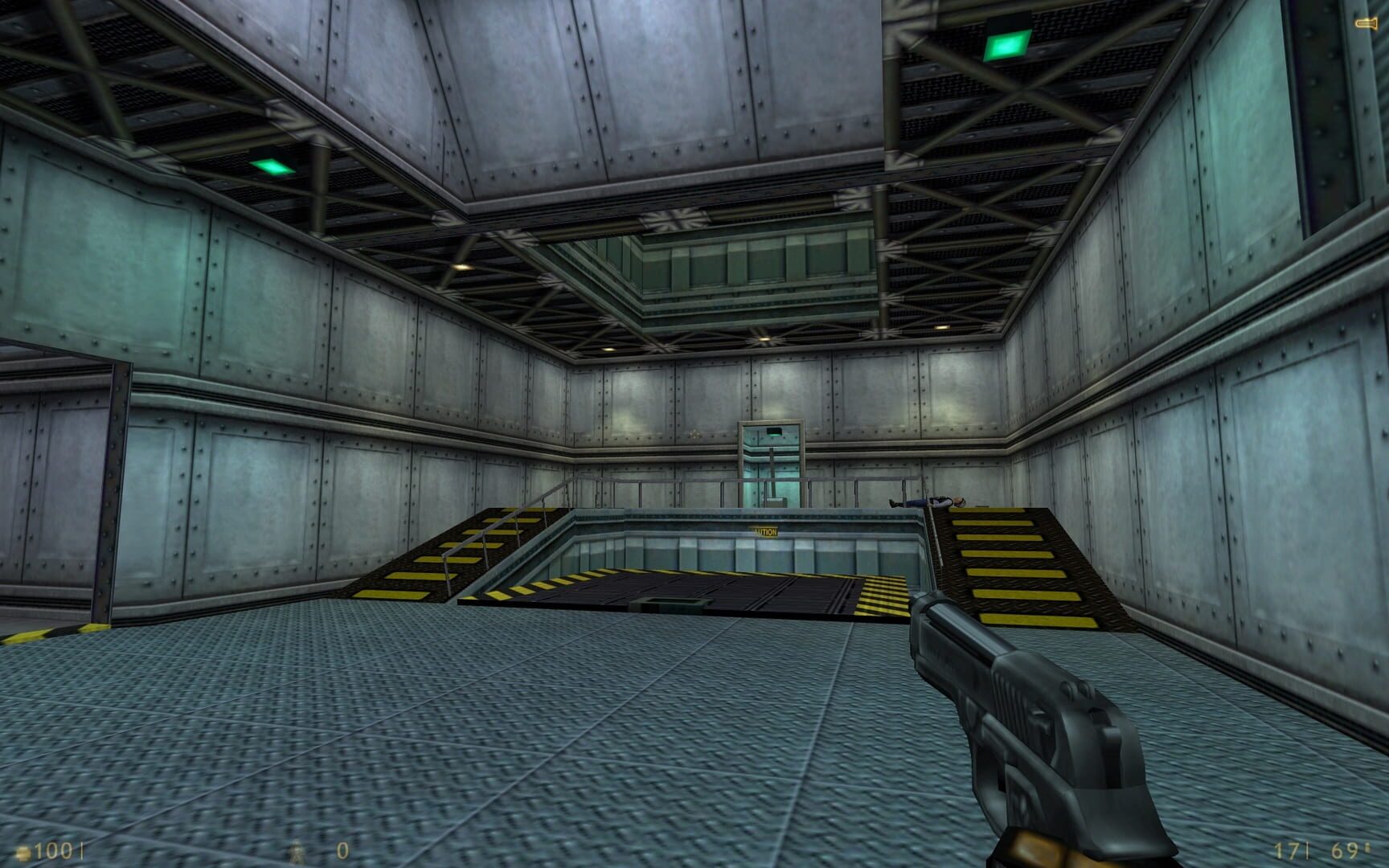
A near-flawless landmark that redefined the first-person shooter through in-engine storytelling, scarce-resource tension and sheer polish. Essential.
A Windows 95-era PC handled the original CD.
| Platform | PC |
| Released | 1998 |
| Developer | Valve |
| Publisher | Sierra Studios |
| Genre | Shooter |
| Reviewed | November 19, 1998 |
| Restored | June 5, 2026 |